What is the impact of a Road Mend Machine on traffic during road repair?
Leave a message

As a supplier of road mend machines, I've witnessed firsthand the crucial role these machines play in maintaining and improving our road infrastructure. Road repair is an inevitable part of urban development, and understanding the impact of road mend machines on traffic during the repair process is essential for efficient project management and minimizing disruptions to the public.
Positive Impacts of Road Mend Machines on Traffic
Reduced Repair Time
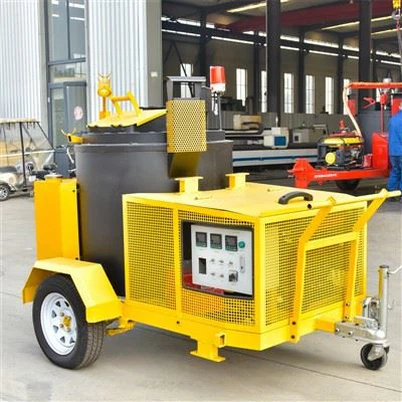
One of the most significant advantages of using road mend machines is the ability to complete repairs more quickly. Traditional road repair methods often involve manual labor, which can be time - consuming. For example, filling potholes by hand can take hours, especially if the damage is extensive. In contrast, modern road mend machines, such as the Hand Pushed Seam asphalt sealing machine, can seal joints and fill small potholes in a fraction of the time. This means that road closures or lane restrictions can be kept to a minimum, reducing the overall impact on traffic flow.
The Joint Filling Machine is another excellent example. It is designed to efficiently fill joints in the road surface, preventing water infiltration and further damage. With its high - speed operation, it can cover large areas of road joints in a short period, allowing for faster reopening of the repaired sections to traffic.
Improved Repair Quality
Road mend machines are engineered to provide consistent and high - quality repairs. When the repair work is done well, it reduces the need for repeated repairs in the future. For instance, the 500L Hydraulic Traction Grouting Machine can precisely inject grout into the road base, strengthening the structure and improving its load - bearing capacity. High - quality repairs mean that the road can withstand normal traffic volumes without quickly deteriorating again. This long - term durability translates into fewer future disruptions to traffic for additional repair work.
Enhanced Safety for Road Users
During road repair, safety is of utmost importance. Road mend machines are equipped with various safety features that help protect both the repair workers and the road users. For example, some machines have bright warning lights and reflective markings, making them more visible to drivers, especially during low - light conditions. Additionally, the use of machines reduces the need for workers to be in direct contact with moving traffic, minimizing the risk of accidents. By ensuring a safer repair environment, traffic can flow more smoothly as drivers are less likely to be distracted or involved in collisions near the repair site.
Negative Impacts of Road Mend Machines on Traffic
Temporary Traffic Congestion
Despite the many benefits, the presence of road mend machines on the road can cause temporary traffic congestion. When a road is being repaired, lanes may need to be closed or narrowed to accommodate the machines and the repair crew. This reduction in the available road space forces vehicles to merge and slow down, leading to traffic backups. Even with proper traffic management plans in place, it can be challenging to completely eliminate congestion, especially during peak traffic hours.
Noise and Dust Pollution
Road mend machines can generate significant noise and dust during operation. The noise from machinery such as asphalt pavers and compressors can be a nuisance to nearby residents and can also distract drivers. Dust generated from activities like grinding and filling can reduce visibility on the road, posing a safety risk. These factors can cause drivers to become more cautious and slow down, further contributing to traffic congestion.
Limited Maneuverability in Some Areas
In some cases, the size and design of road mend machines may limit their maneuverability in certain areas. For example, narrow streets or areas with complex intersections may not be easily accessible by large - scale machines. This can lead to longer repair times as the machines may need to be repositioned multiple times, or alternative, less efficient repair methods may have to be used. As a result, traffic disruptions can be more prolonged in these areas.
Mitigating the Negative Impacts
Advanced Traffic Management
To minimize the negative impacts of road mend machines on traffic, advanced traffic management strategies should be employed. This includes using real - time traffic monitoring systems to adjust traffic signals and provide accurate traffic information to drivers. For example, variable message signs can be used to inform drivers about the road repair ahead, estimated delays, and alternative routes. Additionally, traffic police can be deployed to direct traffic and ensure a smooth flow around the repair site.
Scheduling Repairs Wisely
Another effective way to reduce traffic disruptions is to schedule road repairs during off - peak hours. For example, many cities choose to carry out major road repair work at night or on weekends when traffic volumes are typically lower. By doing so, the impact on daily commuters can be significantly reduced. However, this approach also requires careful planning to ensure that the repair crew has sufficient time to complete the work and that all necessary safety measures are in place during these less - populated hours.
Environment - Friendly Machine Design
Manufacturers are increasingly focusing on developing road mend machines that are more environmentally friendly. This includes designing machines with lower noise levels and better dust - control systems. For example, some new asphalt pavers are equipped with advanced mufflers and dust - collection devices, which can significantly reduce the noise and dust pollution generated during operation. By using these more environmentally friendly machines, the negative impacts on traffic and the surrounding environment can be minimized.


Conclusion
In conclusion, road mend machines have both positive and negative impacts on traffic during road repair. On the one hand, they offer the benefits of reduced repair time, improved repair quality, and enhanced safety. On the other hand, they can cause temporary traffic congestion, noise, and dust pollution, as well as present challenges in some areas due to limited maneuverability. However, by implementing advanced traffic management strategies, scheduling repairs wisely, and using environmentally friendly machines, we can effectively mitigate the negative impacts and maximize the positive ones.
If you are in charge of road repair projects and are looking for high - quality road mend machines, we are here to help. Our range of machines, including the Hand Pushed Seam asphalt sealing machine, Joint Filling Machine, and 500L Hydraulic Traction Grouting Machine, are designed to meet your specific needs and ensure efficient and effective road repairs. Contact us to discuss your requirements and explore how our machines can contribute to your road repair projects.
References
- "Traffic Engineering Handbook", Institute of Transportation Engineers.
- "Best Practices for Road Repair and Maintenance", Department of Transportation, [City/Country].
- "The Impact of Construction on Traffic Flow", Journal of Transportation Research.