

Road maintenance vehicle, as an important part of the maintenance system for urban and rural roads, bear the responsibility of ensuring the smooth operation of road networks and extending the service life of roads. The vehicle integrates various professional equipment, which can respond to road damage in the first time and implement fast and effective repair operations.

Why Choose Us
01
Our factory
Shandong Mingchengda Heavy Industry Machinery Co., Ltd. was established in 2015. Its predecessor was Jining Dongsheng Industry and Trade Co., Ltd., located in the High-tech Zone of Jining City, Shandong Province. The company is mainly engaged in the production of construction machinery and road maintenance equipment.
02
Our Product
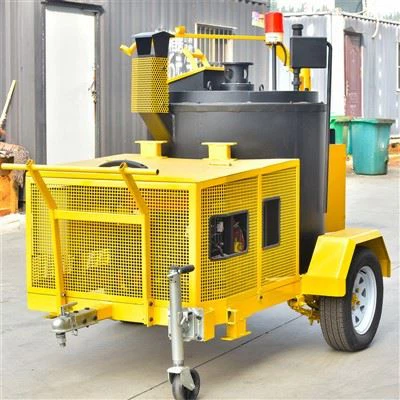
Asphalt Crack SealingMachine 100 liters
from 160 horsepower to 600 horsepower in various models, including road maintenance equipment, seam filling machines, ZT-18T single steel wheels for road rollers, and 146-180 horsepower graders.
03
Professional team
The company has a professional production team of 110 people, including 2 engineers and 3 intermediate engineers. There are professionals who have been engaged in the research and development and manufacturing of construction machinery for many years.
04
24H Online Service
You can contact us to inquire about pre-sales, sales, and after-sales services, and we will give you a very satisfactoryWe are at your service online 24 hours a day.




Benefits of Road Maintenance Vehicle
Preservation of Road Assets
Regular maintenance helps preserve the value and integrity of road assets. By addressing minor issues promptly, such as cracks, potholes, and surface deterioration, road maintenance prevents these problems from escalating into more significant and costlier repairs.Road maintenance machines, including crack filling machines and pothole patching equipment, enable efficient and effective repairs, preserving the quality of road surfaces.
Enhanced Safety
Well-maintained roads contribute to safer driving conditions. Regular maintenance activities, such as crack filling, pothole repair, and line marking, improve visibility, reduce hazards, and minimize the risk of accidents.Road maintenance machines are designed to streamline these processes, ensuring timely repairs and improving overall safety for motorists and pedestrians.
Extended Road Lifespan
Proactive maintenance measures significantly extend the lifespan of roads. By addressing issues early on and applying preventive treatments, such as seal coating and surface rejuvenation, road maintenance professionals can protect the underlying pavement structure and prevent premature deterioration.Road maintenance machines offer advanced technologies for efficient maintenance interventions, allowing roads to withstand heavy traffic and environmental factors for an extended period.
Cost Savings in the Long Run
Regular road maintenance is a cost-effective approach in the long run. By investing in preventive maintenance and timely repairs, road authorities can avoid more extensive and expensive reconstruction projects.Road maintenance machines and equipment are designed to optimize resources, reduce material waste, and maximize efficiency, resulting in significant cost savings over time.
Environmental Sustainability
Maintaining roads in good condition has positive environmental implications. Well-maintained roads improve fuel efficiency by providing smoother surfaces and reducing vehicle wear and tear. Moreover, by utilizing eco-friendly technologies in their road maintenance machines,Promotes sustainability by minimizing emissions and reducing environmental impacts.
The Importance of Regular Road Maintenance Conclusion
Regular road maintenance is vital for the long-term sustainability of our transportation infrastructure. By investing in state-of-the-art road maintenance machines and equipment, road authorities can ensure the preservation of road assets, enhance safety, extend road lifespan, achieve cost savings, and contribute to environmental sustainability.
Types of Road Maintenance Vehicle
Road Comprehensive Maintenance Vehicle
Road comprehensive maintenance vehicle, abbreviated as maintenance vehicle, is a road maintenance equipment that integrates various functions such as cleaning, sweeping, filling gaps, and repairing potholes. To a large extent, it can improve the efficiency of maintenance operations, reduce maintenance costs, and improve road usage conditions.Firstly, from the appearance, the comprehensive road maintenance vehicle has the following specifications: the overall size of the vehicle is usually around 5.85 meters x 2.2 meters x 2.6 meters in length, width, and height, and the weight of the vehicle ranges from 3 to 5 tons. This size and weight not only facilitate its driving on the road, but also have sufficient stability.
Rural Road Maintenance Vehicle
Rural road maintenance vehicles, as multifunctional operation vehicles designed specifically for complex and relatively narrow roads in rural areas, play an important role in maintaining the safety and smoothness of rural roads. The vehicle integrates multiple functions, such as road cleaning, repair, drainage and greening maintenance, aiming to efficiently address common issues such as wear and tear, damage, and natural environmental impact on rural roads.
Road Repair Machine
The correct use of road repair vehicles is crucial to ensuring efficient road maintenance and extending the vehicle's lifespan. The following is a detailed set of usage guidelines, including various aspects from preparation to operation process to maintenance, to help you safely and effectively use road repair vehicles.Familiarize yourself with the vehicle manual: Before first use, carefully read the vehicle operation manual to understand the functions, operating steps, and safety instructions of each section.
Road Repair Vehicle
When choosing a road repair vehicle, you need to consider multiple aspects such as vehicle performance, applicability, cost-effectiveness, and after-sales service to ensure the long-term value of your investment. Here are some key factors and suggestions to help you make wise choices.
Several Major Systems of Road Maintenance Vehicle
Power system
The power system of road maintenance vehicles is usually provided by diesel engines or electric motors, and different power configurations are selected based on the size of the vehicle and operational requirements. The power generated by the engine or motor is distributed to various work units through the transmission system, such as the driving system, hydraulic pump, working device, etc., providing sufficient energy support for the entire work process.
Driving system
The driving system ensures that the vehicle can drive stably on complex road surfaces, including the drive axle, steering system, suspension system, etc. The configuration of four-wheel drive is particularly important in complex terrain, which can enhance the vehicle's passability and stability. In addition, some high-end models are also equipped with an automatic leveling system, which can maintain the level of the work platform even on uneven roads, ensuring work accuracy and safety.
Hydraulic system
The hydraulic system is the core of road maintenance vehicles, which converts the power output from the engine into hydraulic energy, driving cleaning, milling, paving, compaction and other operation devices. The hydraulic pump converts engine power into high-pressure oil and delivers it to the hydraulic cylinders or motors of various operating mechanisms through hydraulic pipelines, achieving precise control of movements. The hydraulic system also includes components such as cooling and filtering to ensure stable operation of the system.
Control system
Modern road maintenance vehicles generally use electronic control systems, including touch screen operation interfaces, remote monitoring systems, etc. Operators can intuitively adjust various operation parameters through the console, achieving automation and precise control of operations. At the same time, the vehicle status monitoring system provides real-time feedback on engine operating conditions, hydraulic system pressure, and operating device position, which helps prevent faults and improve operational efficiency.
How to Choose Road Maintenance Vehicle
Assess Your Unique Requirements
Every agency or contractor has unique needs when selecting a pothole truck. The scale of operations in a major metro area will differ vastly from smaller towns or rural areas. Large cities may require multiple units, while smaller municipalities can get by with single-operator ones.Geographic location and climate conditions also impact performance. A patch truck designed for Arizona's desert heat may falter in Minnesota's snowy winters. Maneuverability needs also depend on congestion levels.
Research Manufacturers
The manufacturer can make or break the investment. Those with decades of industry experience tend to offer the most refined products, having resolved any kinks over years of design improvements. Customer reviews provide insights into real-world performance that sales materials may gloss over.Additionally, the warranty coverage and quality of after-sales support indicate the manufacturer's faith in their product and commitment to customer satisfaction. Seek manufacturers with proven reputations.
Evaluate Maintenance and Support Capability
Long-term ROI isn't just about the upfront purchase but also maintaining the vehicle in peak operating condition. Ensure spare parts availability to minimize downtime from repairs. Regular maintenance schedules and access to technical assistance further optimize uptime and extend the service life.
Explore Budget and Financing Options
Carefully examining your budget and financing options will allow you to make a more informed buying decision. Go beyond initial purchase costs when calculating ROI.
How do Road Maintenance Vehicle Help In Maintaining The Quality of Roads?


Patching Potholes
Patching devices, which are capable of effectively repairing potholes, are frequently seen in road maintenance vehicles. Using hot or cold asphalt mixtures, these machines can patch potholes to provide a smooth surface and stop additional damage.
Surface Cleaning
Specialised vehicles used for road maintenance, street sweepers clean the surfaces of roads. They clear away dirt, leaves, debris, and other things that can build up and deteriorate the condition of the road. Frequent cleaning keeps the driving surface safe and helps avoid drainage problems.
Removal of Snow and Ice
In areas with winter weather, salt spreaders and snowploughs are necessary for road maintenance. While salt spreaders help prevent ice formation by delivering de-icing agents to the road surface, snowploughs clear accumulated snow.
Road Marking and Striping
Lines, symbols, and markings are applied on road surfaces using road striping machines. By clearly directing vehicles and defining lanes, well-placed road markings enhance traffic safety.
Sealing Cracks
Road surface fractures are filled and sealed using devices known as crack sealing machines. By doing this, water penetration is stopped before it may cause more harm from freezing and thawing cycles.
Repairing and resurfacing pavement
Certain trucks used for road maintenance have the capacity to do extensive repairs and resurfacing. To provide a smoother and more resilient road surface, this may entail grinding the current pavement, removing damaged layers, and putting fresh asphalt or other materials.
How to Maintain Road Maintenance Vehicle
Engine oil
Check your oil levels and the date you're due for an oil change, preferably in your driveway before you embark on that first leg. If you're close to the recommended oil-change listed then change it or schedule to get it changed with us.
Transmission and differential fluids
Did you forget about the other oil reservoirs in your car? Both your transmission and drive axle have their own lubricant supply. Check your owner's manual for their change intervals, as they are quite a bit longer than engine oil. Our service center can handle this greasy job.
Hoses
Make sure there are no cracks, hoses would last 10 years if all they did were sit on a shelf. In a car, they are regularly exposed to temperatures. At high temps, the plasticizers that make rubber squishy go out at a faster rate. Once a hose gets hard, it cracks and you wouldn't want hot water spewing out.
Belts
Check the engine belts by turning them sideways with your hand so you can see the friction surface. If they're at all ragged, torn, cracked or showing the fiber cords, it's time for fresh ones.
Tire pressure and tread
Tires are your contact with the road, and since losing contact generally results in a not so good outcome, we recommend making sure your tires still have a good amount of tread left. While you're at it, be sure to check the pressure of each tire on your vehicle.
Brake system
As brake fluid ages, it turns the color of maple syrup and begins rusting your brake components. Check your brake reservoir for the color of the fluid, and make sure that it is topped up to the “full” mark.• Leather
Care
Learn more about how to take care of your car's leather seats and upholstery. It's easy to do, especially if you do it regularly.
Battery
If the battery in your car is more than a couple years old, check that the terminals are corrosion-free and the positive and negative leads are tight. If your starter sounds sluggish, it's either corrosion or a dying battery. Don't wait to be stranded with a dead battery.
Interior and Exterior Care
Summer is a great time to wash your car. it's also a fantastic time to clean your leather or get your vehicle detailed.
Our Factory
Shandong Mingchengda Heavy Industry Machinery Co., Ltd. was founded in 2015, formerly Jining Dongsheng Industry and Trade Co., LTD., located in Jining High-tech Zone, Shandong Province, the company is mainly engaged in construction machinery, road maintenance equipment based manufacturing enterprises, the company has 110 professional production team, including 2 engineers, 3 intermediate engineers. There are many years engaged in construction machinery R & D and manufacturing professionals


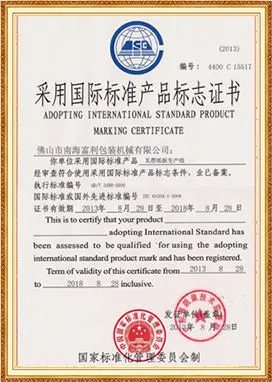
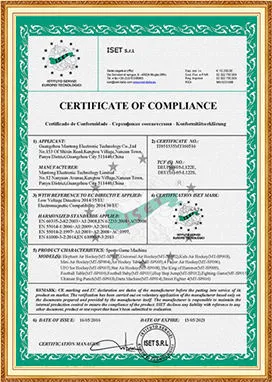
Certificate



FAQ
As one of the leading road maintenance vehicle manufacturers and suppliers in China, we warmly welcome you to buy durable road maintenance vehicle made in China here from our factory. All customized products are with high quality and low price.
roadway maintenance truck, maintenance vehicle for street, roadway upkeep support vehicle