How long does it take to fill a joint using a joint filling machine?
Leave a message

When it comes to construction and road maintenance, filling joints is a crucial task that ensures the longevity and integrity of structures. As a leading supplier of joint filling machines, we often receive inquiries about how long it takes to fill a joint using our equipment. In this blog post, we'll explore the factors that influence the filling time and provide some estimates to help you plan your projects more effectively.
Factors Affecting Joint Filling Time
1. Joint Size and Depth
The dimensions of the joint are perhaps the most significant factors influencing filling time. Larger and deeper joints require more material to fill, which naturally takes longer. For instance, a narrow expansion joint in a sidewalk will take less time to fill compared to a wide control joint in a large industrial floor. Our joint filling machines are designed to handle a variety of joint sizes, but the larger the volume of material needed, the longer the filling process will be.
2. Type of Filling Material
Different filling materials have different viscosities and flow rates, which can significantly impact the filling time. For example, a low - viscosity sealant will flow more easily into the joint, allowing for a faster filling process. On the other hand, a high - viscosity material may require more pressure and time to ensure proper filling. Our machines are compatible with a wide range of filling materials, including silicone, polyurethane, and asphalt - based sealants, and can be adjusted to accommodate the specific properties of each material.
3. Machine Capacity and Output
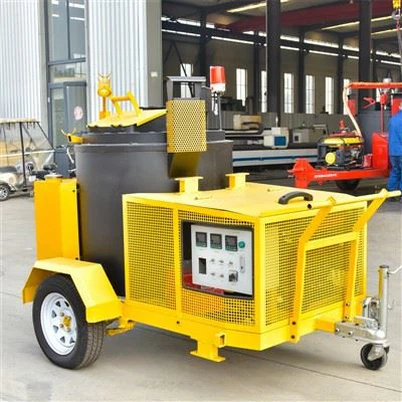
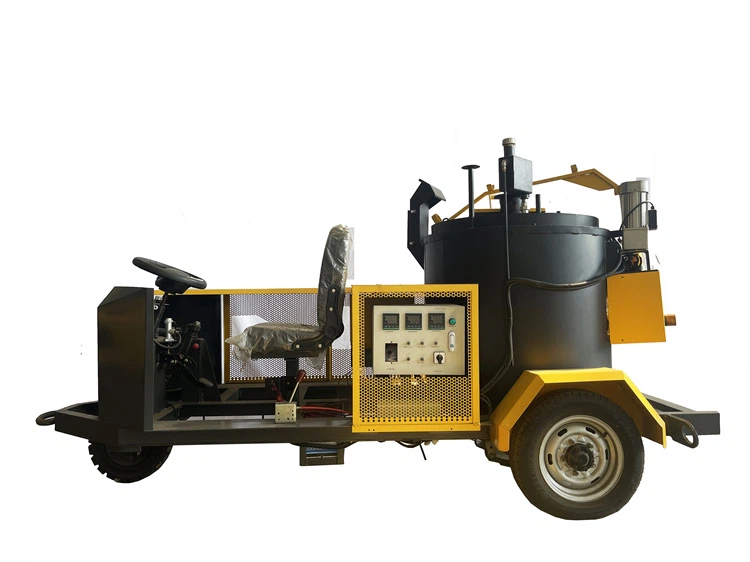
The capacity and output of the joint filling machine play a vital role in determining the filling time. Our Concrete Grouting Machine is designed with different capacities to meet various project requirements. A machine with a higher output rate can deliver more filling material per unit of time, reducing the overall filling time. For example, our D520L High Quality Traction Grouting Machine has a relatively high output, which is suitable for large - scale projects where time is of the essence.
4. Operator Skill and Experience
The skill and experience of the operator also affect the filling time. An experienced operator knows how to adjust the machine settings correctly, ensure proper alignment with the joint, and handle any issues that may arise during the filling process. They can work more efficiently, reducing the time spent on each joint. We provide comprehensive training for our customers to ensure that their operators can make the most of our joint filling machines.
Estimating Joint Filling Time
To give you a rough idea of how long it might take to fill a joint, let's consider some common scenarios.
Small - Scale Residential Projects
For small - scale residential projects, such as filling expansion joints in a driveway or a patio, the joint sizes are usually relatively small. If we assume a joint width of 1/4 inch (6.35 mm) and a depth of 1/2 inch (12.7 mm), and using a low - viscosity sealant with one of our standard - capacity joint filling machines, an experienced operator can fill approximately 10 - 15 linear feet (3 - 4.5 meters) of joint per minute. So, for a 100 - foot (30 - meter) long joint, it would take around 7 - 10 minutes.
Medium - Scale Commercial Projects
In medium - scale commercial projects, like filling joints in a shopping mall parking lot, the joint sizes may be larger, say a width of 1/2 inch (12.7 mm) and a depth of 1 inch (25.4 mm). Using a 500L Traction Grouting Truck with a high - output capacity and a medium - viscosity sealant, an experienced operator can fill about 5 - 8 linear feet (1.5 - 2.4 meters) of joint per minute. For a 500 - foot (150 - meter) long joint, the filling time would be approximately 60 - 100 minutes.
Large - Scale Industrial Projects
For large - scale industrial projects, such as filling joints in a factory floor or a large - scale infrastructure project, the joint sizes can be even larger, and the volume of material required is substantial. With a high - capacity machine and a high - viscosity material, the filling rate may drop to 2 - 4 linear feet (0.6 - 1.2 meters) per minute. For a 1000 - foot (300 - meter) long joint, it could take 250 - 500 minutes, depending on the specific conditions.
Conclusion
The time it takes to fill a joint using a joint filling machine depends on multiple factors, including joint size and depth, type of filling material, machine capacity and output, and operator skill. By carefully considering these factors and using our high - quality joint filling machines, you can optimize the filling process and save time and money on your projects.
If you're planning a joint filling project and need more information about our machines, their performance, or want to get a customized solution for your specific requirements, we encourage you to contact us. Our team of experts is ready to assist you in choosing the right machine and providing all the support you need. Whether you're a small contractor or a large construction company, we have the products and services to meet your needs. Start your journey towards efficient joint filling today by reaching out to us for a consultation.

References
- Construction Sealants and Adhesives Handbook, Second Edition, edited by Robert M. Hunt.
- ASTM Standards for Joint Sealants and Filling Materials.
- Manufacturer's technical specifications for our joint filling machines.