What are the effects of vehicle load on China road joint filling?
Leave a message

Hey there! As a supplier of China road joint filling, I've seen firsthand how vehicle load can mess with road joint filling. In this blog, I'll break down the effects of vehicle load on China road joint filling and share some insights from my experience in the industry.
The Basics of Road Joint Filling
Before we dive into the effects of vehicle load, let's quickly go over what road joint filling is all about. Road joint filling is a crucial part of road maintenance. It involves filling the joints between road slabs with a special material to prevent water, debris, and other stuff from getting in. This helps to extend the lifespan of the road and keep it in good condition.
There are different types of road joint filling materials, like asphalt-based fillers, silicone-based fillers, and polyurethane-based fillers. Each type has its own pros and cons, but they all serve the same basic purpose of sealing the joints and protecting the road.
How Vehicle Load Affects Road Joint Filling
Vehicle load can have several effects on road joint filling. Here are some of the main ones:
1. Compression and Deformation
When vehicles drive over the road, they put a lot of pressure on the road surface, including the joints. This pressure can cause the road joint filling material to compress and deform. Over time, this can lead to the filling material losing its shape and effectiveness. For example, if the filling material is compressed too much, it may no longer be able to seal the joint properly, allowing water and debris to get in.
2. Fatigue and Cracking
Constant vehicle load can also cause fatigue in the road joint filling material. Just like our bodies get tired after doing a lot of work, the filling material can get worn out from the repeated stress of vehicle traffic. This fatigue can lead to cracking in the filling material. Once cracks form, water and debris can easily penetrate the joint, causing further damage to the road.
3. Shear Stress
In addition to compression and fatigue, vehicle load can also create shear stress on the road joint filling. Shear stress occurs when two parts of the road move in opposite directions. For example, when a vehicle makes a sharp turn or brakes suddenly, it can create shear stress on the joints. This shear stress can cause the filling material to break apart or separate from the joint.
4. Temperature Effects
Vehicle load can also interact with temperature changes to affect road joint filling. In hot weather, the road surface expands, which can put additional stress on the joint filling. In cold weather, the road surface contracts, which can cause the filling material to crack. The combination of vehicle load and temperature changes can make these effects even more pronounced.
Examples and Case Studies
To give you a better idea of how vehicle load affects road joint filling, let's look at some real-life examples.
In a busy urban area, a road with high vehicle traffic was experiencing problems with its road joint filling. The filling material was showing signs of compression and deformation, and there were cracks in some of the joints. After a thorough inspection, it was found that the constant vehicle load was the main cause of these issues. The city decided to replace the road joint filling material with a more durable type and also implemented traffic management measures to reduce the stress on the joints.
Another example is a highway that was built in a region with extreme temperature variations. The road joint filling on this highway was cracking and failing due to the combination of vehicle load and temperature changes. The engineers realized that they needed to use a filling material that was more resistant to both temperature and vehicle stress. They replaced the existing filling with a special type of polyurethane-based filler that was designed to withstand these conditions.
Choosing the Right Road Joint Filling Equipment
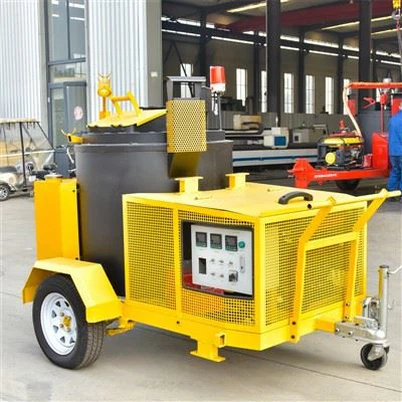
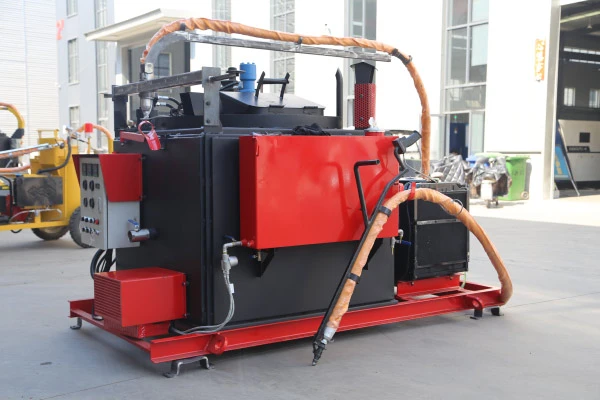
As a road joint filling supplier, I know how important it is to choose the right equipment for the job. Here are some of the equipment options that can help deal with the effects of vehicle load on road joint filling:
-
Vehicle Mounted Asphalt Grouting Machine: This machine is great for filling large areas of road joints quickly and efficiently. It can handle high volumes of filling material and is designed to work in a variety of conditions.

-
Used Crack sealing Machine: If you're on a budget or need a more portable option, a used crack sealing machine can be a good choice. These machines are still effective at filling cracks in road joints and can help prevent further damage from vehicle load.
-
HJ100A Hand Pushed Seam Sealing Machine: For smaller jobs or hard-to-reach areas, a hand pushed seam sealing machine like the HJ100A can be very useful. It's easy to operate and can provide precise filling of road joints.
How to Mitigate the Effects of Vehicle Load on Road Joint Filling
There are several ways to mitigate the effects of vehicle load on road joint filling. Here are some tips:
1. Choose the Right Filling Material
As I mentioned earlier, different types of road joint filling materials have different properties. When choosing a filling material, it's important to consider the vehicle load and traffic conditions on the road. For example, if the road has high vehicle traffic, you may want to choose a more durable and flexible filling material that can withstand the stress.
2. Proper Installation
Proper installation of the road joint filling is also crucial. The filling material should be installed correctly to ensure that it adheres well to the joint and provides a good seal. This may involve cleaning the joint thoroughly before installation and using the right techniques and equipment.
3. Regular Maintenance
Regular maintenance of the road joint filling is essential to keep it in good condition. This includes inspecting the joints regularly for signs of damage, such as cracks or deformation, and repairing or replacing the filling material as needed.
4. Traffic Management
Implementing traffic management measures can also help reduce the stress on road joint filling. For example, reducing speed limits in areas with high joint damage, or diverting traffic away from damaged joints can help prolong the lifespan of the filling material.
Conclusion
In conclusion, vehicle load can have a significant impact on road joint filling. It can cause compression, deformation, fatigue, cracking, and shear stress in the filling material. However, by choosing the right filling material, installing it properly, and performing regular maintenance, we can mitigate these effects and ensure that our roads stay in good condition.
If you're in the market for road joint filling products or equipment, I'd love to talk to you. We offer a wide range of high-quality road joint filling materials and equipment, including the Vehicle Mounted Asphalt Grouting Machine, Used Crack sealing Machine, and HJ100A Hand Pushed Seam Sealing Machine. Contact us to discuss your needs and let's work together to keep your roads in top shape.
References
- "Principles of Highway Engineering and Traffic Analysis" by Fred L. Mannering, Scott S. Washburn, and Vijay K. Vaddadi
- "Asphalt Paving Technology" by the Asphalt Institute
- Various industry reports and research papers on road maintenance and joint filling