What are the impacts of chemical substances on China road joint filling?
Leave a message

As a supplier of China road joint filling, I've witnessed firsthand the profound impacts that chemical substances have on this crucial aspect of road construction and maintenance. Road joint filling is essential for preventing water infiltration, debris accumulation, and the subsequent deterioration of road surfaces. Chemical substances play a pivotal role in enhancing the performance, durability, and longevity of road joint filling materials.
Types of Chemical Substances Used in Road Joint Filling
Asphalt-Based Chemicals
Asphalt is one of the most commonly used materials in road joint filling. It is a viscous, black, and sticky substance derived from petroleum. Asphalt-based chemicals are known for their excellent waterproofing properties, adhesion to various substrates, and resistance to temperature variations. They can effectively seal road joints, preventing water from seeping into the underlying layers and causing damage.
One of the key advantages of asphalt-based joint filling materials is their flexibility. They can expand and contract with the changing temperature, ensuring a tight seal even in extreme weather conditions. However, asphalt can be susceptible to aging and oxidation over time, which may lead to cracking and loss of elasticity. To address these issues, various additives are often incorporated into asphalt-based joint filling materials.
Polymer-Modified Chemicals
Polymer-modified chemicals have gained popularity in recent years due to their superior performance compared to traditional asphalt-based materials. Polymers such as styrene-butadiene-styrene (SBS), ethylene-vinyl acetate (EVA), and polyurethane can be added to asphalt to improve its physical and mechanical properties.
Polymer-modified joint filling materials offer enhanced flexibility, elasticity, and resistance to aging. They can withstand higher temperatures without softening and lower temperatures without becoming brittle. This makes them particularly suitable for use in regions with extreme climate conditions. Additionally, polymer-modified materials have better adhesion to road surfaces, reducing the risk of joint failure and improving the overall durability of the road.
Silicone and Polyurethane Sealants
Silicone and polyurethane sealants are another type of chemical substances used in road joint filling. These sealants are known for their excellent weather resistance, chemical resistance, and durability. They can form a flexible and watertight seal that can withstand heavy traffic loads and environmental stresses.
Silicone sealants are particularly suitable for use in joints where movement is expected, as they can accommodate large amounts of expansion and contraction. Polyurethane sealants, on the other hand, offer high strength and adhesion, making them ideal for use in joints that require a strong bond.
Positive Impacts of Chemical Substances on China Road Joint Filling
Improved Durability
One of the most significant impacts of chemical substances on road joint filling is the improvement in durability. By using high-quality chemical additives and polymers, joint filling materials can resist the effects of weathering, traffic loads, and chemical exposure for a longer period of time. This reduces the need for frequent repairs and replacements, saving both time and money in the long run.
For example, polymer-modified asphalt joint filling materials can last up to three times longer than traditional asphalt materials. This extended lifespan not only improves the safety and performance of the road but also reduces the environmental impact associated with road construction and maintenance.
Enhanced Waterproofing
Water is one of the main causes of road deterioration. When water seeps into road joints, it can cause the underlying layers to become saturated, leading to cracking, potholes, and other forms of damage. Chemical substances used in road joint filling can effectively seal the joints, preventing water from entering and protecting the road structure.


Asphalt-based and polymer-modified joint filling materials are excellent waterproofing agents. They form a continuous barrier that prevents water from penetrating the joint and reaching the underlying layers. Silicone and polyurethane sealants also offer superior waterproofing properties, ensuring that the road remains dry and stable even in wet conditions.
Better Adhesion
Proper adhesion between the joint filling material and the road surface is crucial for the effectiveness of the joint filling. Chemical substances can improve the adhesion of joint filling materials to various substrates, including concrete, asphalt, and metal.
Polymer-modified materials, in particular, have excellent adhesion properties. They can bond tightly to the road surface, creating a strong and durable seal. This reduces the risk of joint failure due to delamination or separation of the joint filling material from the road surface.
Resistance to Chemicals and Environmental Factors
Roads are exposed to a variety of chemicals and environmental factors, such as oil, gasoline, deicing salts, and ultraviolet radiation. Chemical substances used in road joint filling can provide resistance to these factors, protecting the joint filling material from damage and ensuring its long-term performance.
For example, some polymer-modified joint filling materials are formulated to be resistant to oil and gasoline. This makes them suitable for use in areas where vehicles are likely to spill these substances, such as gas stations and parking lots. Silicone and polyurethane sealants are also highly resistant to ultraviolet radiation, preventing them from deteriorating and losing their properties over time.
Negative Impacts of Chemical Substances on China Road Joint Filling
Environmental Concerns
While chemical substances offer many benefits for road joint filling, they also raise some environmental concerns. Some of the chemicals used in joint filling materials, such as certain polymers and additives, may be toxic or harmful to the environment.
For example, some asphalt-based joint filling materials may contain polycyclic aromatic hydrocarbons (PAHs), which are known to be carcinogenic and can have negative impacts on human health and the environment. Additionally, the production and disposal of joint filling materials can generate waste and emissions, contributing to air and water pollution.
To address these concerns, efforts are being made to develop more environmentally friendly joint filling materials. For example, some manufacturers are using bio-based polymers and recycled materials in their products. These materials are renewable, biodegradable, and have a lower environmental impact compared to traditional chemical substances.
Cost
Another potential negative impact of chemical substances on road joint filling is the cost. Polymer-modified and high-performance joint filling materials are often more expensive than traditional asphalt-based materials. This can increase the overall cost of road construction and maintenance, especially for large-scale projects.
However, it's important to consider the long-term benefits of using these materials. While the initial cost may be higher, the improved durability and performance of polymer-modified and high-performance joint filling materials can result in significant cost savings over the life of the road. Additionally, the reduced need for frequent repairs and replacements can also minimize the disruption to traffic and the associated costs.
Conclusion
Chemical substances have a significant impact on China road joint filling. They offer many benefits, including improved durability, enhanced waterproofing, better adhesion, and resistance to chemicals and environmental factors. However, they also raise some environmental concerns and can increase the cost of road construction and maintenance.
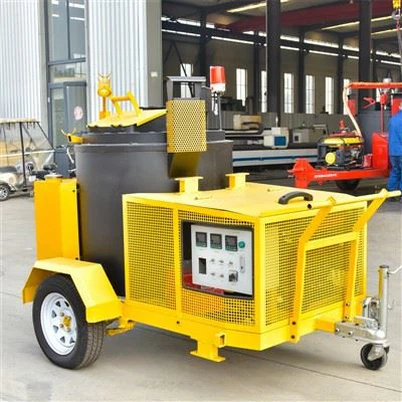
As a supplier of China road joint filling, I am committed to providing high-quality and environmentally friendly joint filling materials. We offer a wide range of products, including Joint Filling Machine, FAGF200 Asphalt Crack Sealing Machine, and FAGF500 Pavement Sealing Machine, to meet the diverse needs of our customers.
If you are interested in learning more about our road joint filling products or would like to discuss your specific requirements, please feel free to contact us. We look forward to the opportunity to work with you and contribute to the development of high-quality roads in China.
References
- ASTM International. (2023). Standard Specification for Hot-Applied Joint Sealant for Concrete Pavements. ASTM D946.
- FHWA. (2023). Guide for the Selection and Use of Joint Sealants in Concrete Pavements. FHWA-HRT-23-056.
- TRB. (2023). National Cooperative Highway Research Program Report 782: Evaluation of Sealant and Filler Materials for Use in Asphalt Pavements.