What are the environmental impacts of road joint filling materials?
Leave a message

As a provider of road joint filling materials, I've witnessed firsthand the critical role these substances play in maintaining the integrity of our roadways. But it's not just about functionality; the environmental impact of these materials is an equally important aspect that we, as industry players, must address. In this blog, I'll delve into the various environmental implications of road joint filling materials, shedding light on both the challenges and opportunities in this field.
Understanding Road Joint Filling Materials
Before we discuss the environmental impacts, let's briefly understand what road joint filling materials are. These materials are used to seal the joints and cracks in concrete and asphalt pavements. They prevent water, debris, and other contaminants from entering the joints, which can cause further damage to the road surface over time. Common types of road joint filling materials include asphalt caulking, silicone, polyurethane, and rubberized asphalt. Each material has its own set of properties, advantages, and limitations, which also influence their environmental impact.
Environmental Impacts of Traditional Road Joint Filling Materials
1. Volatile Organic Compounds (VOCs) Emissions
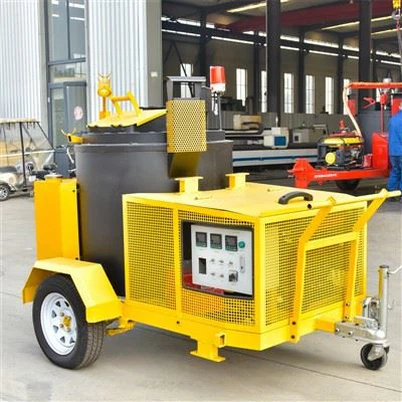
Many traditional road joint filling materials, especially some types of asphalt caulking and certain adhesives, contain volatile organic compounds (VOCs). VOCs are chemicals that easily evaporate at room temperature and can react with nitrogen oxides in the presence of sunlight to form ground - level ozone, a major component of smog. Exposure to high levels of ground - level ozone can cause respiratory problems, especially for children, the elderly, and people with pre - existing lung conditions. FAGF100 Pavement Sealing Machine is often used with these materials during the application process, and the emissions from the materials can have an impact on the air quality in the surrounding area.
2. Non - Biodegradability
Some road joint filling materials, such as certain types of plastics and synthetic rubbers, are non - biodegradable. Once these materials are applied to the road joints, they remain in the environment for a long time. Over time, as the road surface deteriorates and these materials are exposed to the elements, they can break down into microplastics, which can enter the soil, water bodies, and even the food chain. Microplastics have been found in various ecosystems, from the deepest oceans to the highest mountains, and their long - term effects on the environment and human health are still being studied.
3. Energy Consumption in Production
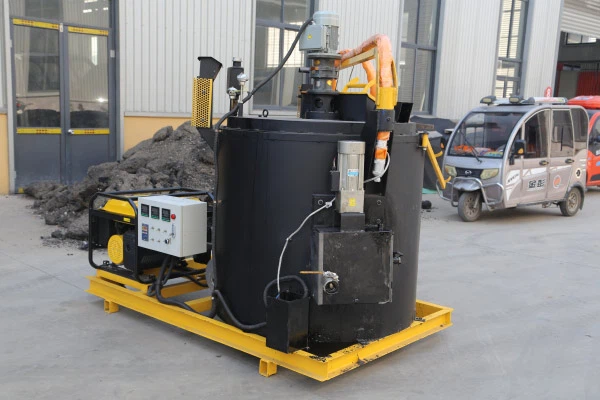
The production of road joint filling materials often requires a significant amount of energy. For example, the manufacturing of asphalt - based materials involves heating the asphalt to high temperatures, which consumes a large amount of fossil fuels. This not only contributes to greenhouse gas emissions but also depletes non - renewable energy resources. The use of FAGF500 Pavement Sealing Machine in large - scale road joint filling projects also adds to the overall energy consumption during the application process.
Environmental Benefits of Modern Road Joint Filling Materials
1. Low - VOC and VOC - Free Options
In recent years, there has been a growing trend towards the development of low - VOC and VOC - free road joint filling materials. These materials are formulated to reduce or eliminate the emission of harmful VOCs during application. For example, some advanced silicone and polyurethane - based joint fillers have been developed with low - VOC formulations, which are not only better for the environment but also safer for the workers applying the materials. Asphalt Caulking products are also being improved to have lower VOC content, making them more environmentally friendly.
2. Recycled and Renewable Materials
Another positive development in the industry is the use of recycled and renewable materials in road joint filling. Some manufacturers are using recycled rubber from old tires, recycled plastics, and bio - based polymers in their products. These materials not only reduce the demand for virgin resources but also help to divert waste from landfills. For instance, rubberized asphalt, which contains recycled tire rubber, has been shown to have good performance in road joint filling applications while also providing environmental benefits.

3. Energy - Efficient Production Processes
Manufacturers are also investing in research and development to improve the energy efficiency of the production processes for road joint filling materials. New technologies are being developed to reduce the energy consumption during the manufacturing of these materials, such as using more efficient heating systems and optimizing the production line. This not only reduces the carbon footprint of the materials but also makes them more cost - effective in the long run.
Mitigating the Environmental Impact
As a road joint filling material supplier, we have a responsibility to minimize the environmental impact of our products. Here are some strategies that we and other industry players can adopt:
1. Product Innovation
We should continue to invest in research and development to create more environmentally friendly road joint filling materials. This includes developing new formulations with lower VOC emissions, using more recycled and renewable materials, and improving the energy efficiency of the production process.
2. Education and Awareness
We need to educate our customers, including road construction companies, municipalities, and contractors, about the environmental impacts of different road joint filling materials. By raising awareness, we can encourage them to choose more sustainable options. We can also provide training to workers on the proper application of these materials to ensure that they are used in an environmentally friendly way.
3. Collaboration with Other Stakeholders
Collaboration with other stakeholders, such as government agencies, environmental organizations, and research institutions, is essential. We can work together to develop industry standards and regulations that promote the use of environmentally friendly road joint filling materials. For example, we can participate in research projects to study the long - term environmental effects of these materials and develop best practices for their use.
Conclusion
The environmental impacts of road joint filling materials are complex and multifaceted. While traditional materials have some negative environmental effects, the industry is making significant progress in developing more sustainable alternatives. As a road joint filling material supplier, we are committed to providing our customers with high - quality products that not only meet their performance requirements but also minimize the environmental impact.
If you are in the market for road joint filling materials and are interested in learning more about our environmentally friendly options, we invite you to contact us for a consultation. We are ready to discuss your specific needs and provide you with the best solutions for your road construction projects.
References
- Environmental Protection Agency (EPA). "Volatile Organic Compounds (VOCs) Emissions from Consumer and Commercial Products."
- International Union for Conservation of Nature (IUCN). "Microplastics in the Environment: A Global Challenge."
- Transportation Research Board. "Sustainable Materials for Road Construction and Maintenance."