How to ensure the evenness of road joint filling?
Leave a message

Ensuring the evenness of road joint filling is a crucial aspect of road construction and maintenance. As a professional road joint filling supplier, we understand the significance of this task and have extensive experience in providing high - quality solutions. In this blog, we will share some key methods and considerations to achieve uniform road joint filling.
Understanding the Importance of Even Road Joint Filling
Before delving into the methods, it's essential to understand why evenness matters. Uneven road joint filling can lead to several problems. Firstly, it affects the overall aesthetic appearance of the road. A bumpy or inconsistent joint filling gives an unprofessional look and can reduce the perceived quality of the road. Secondly, and more importantly, it impacts the functionality of the road. Uneven joints can cause discomfort to drivers, especially at high speeds, as the vehicle may experience sudden jolts. This can also lead to increased wear and tear on vehicles. In addition, uneven joint filling may not provide proper sealing, allowing water and debris to penetrate, which can damage the road structure over time.
Preparation Work
Surface Cleaning
The first step in ensuring even road joint filling is to clean the joint surface thoroughly. Any dirt, dust, loose stones, or old filling material must be removed. This can be done using a variety of tools such as wire brushes, blowers, or high - pressure air guns. A clean surface ensures better adhesion of the filling material, which is essential for an even and long - lasting filling. For example, if there is dirt in the joint, the filling material may not bond properly, resulting in unevenness and potential delamination.
Joint Inspection
After cleaning, the joints should be inspected carefully. Check for any cracks, damage, or irregularities in the joint structure. If there are large cracks or damaged areas, they may need to be repaired before filling. This can involve using appropriate patching materials to restore the integrity of the joint. By ensuring a sound joint structure, we can provide a stable base for the filling material, which helps in achieving evenness.
Selecting the Right Filling Material
Compatibility with the Road Surface
The choice of filling material is crucial for even road joint filling. The material must be compatible with the type of road surface, whether it's asphalt, concrete, or other materials. For asphalt roads, bituminous - based filling materials are often a good choice as they have good adhesion and flexibility. Concrete roads may require elastomeric or polymer - based materials that can withstand the expansion and contraction of the concrete. Using an incompatible material can lead to poor adhesion, cracking, and uneven filling.
Quality and Consistency
High - quality filling materials are essential. They should have consistent properties such as viscosity, density, and curing time. A material with inconsistent viscosity may flow unevenly during filling, resulting in an uneven surface. We, as a road joint filling supplier, ensure that the materials we provide meet strict quality standards, so you can expect consistent performance.
Using the Appropriate Equipment
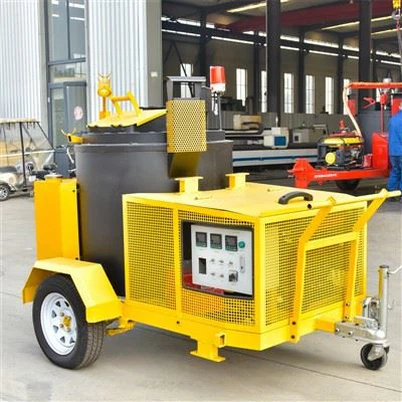
500L Hydraulic Traction Grouting Machine
One of the key pieces of equipment for road joint filling is the 500L Hydraulic Traction Grouting Machine. This machine offers several advantages for achieving even filling. It has a large capacity of 500 liters, which allows for continuous filling without frequent refilling. The hydraulic traction system provides smooth and stable movement, ensuring that the filling material is evenly distributed along the joint. The machine can also be adjusted to control the flow rate of the filling material, which is crucial for maintaining evenness.
Filling and Sewing All - in - one Machine
The Filling and Sewing All - in - one Machine is another useful tool. It combines the functions of filling and sealing, which can improve the efficiency and quality of the joint filling process. This machine can precisely apply the filling material and then seal it properly, ensuring a smooth and even finish. The integrated design reduces the chances of human error and provides a more consistent result.
Electric Sealing Machine
An Electric Sealing Machine is often used for the final sealing of the filled joints. It can heat the surface of the filling material to a suitable temperature, which helps to smooth out any minor irregularities and ensures a tight seal. The electric operation provides more control over the sealing process, resulting in a more even and durable seal.
Filling Process
Temperature Control
Temperature plays a significant role in the filling process. Both the filling material and the road surface temperature should be within the recommended range. If the temperature is too low, the filling material may become too viscous and difficult to flow evenly. On the other hand, if the temperature is too high, the material may dry too quickly, leading to cracking and unevenness. We usually recommend following the manufacturer's guidelines for the optimal temperature range during filling.
Flow Rate Adjustment
Controlling the flow rate of the filling material is essential for evenness. The flow rate should be adjusted according to the width and depth of the joint, as well as the type of filling material. A too - fast flow rate may cause the material to overflow or create uneven mounds, while a too - slow flow rate may result in incomplete filling. Using equipment with adjustable flow rate controls, such as the 500L Hydraulic Traction Grouting Machine, can help achieve the right flow rate.
Manual Smoothing
After filling, manual smoothing may be required in some cases. This can be done using a trowel or a specialized smoothing tool. Manual smoothing helps to eliminate any small bumps or ridges, ensuring a perfectly even surface. It's important to perform this step carefully to avoid disturbing the filling material and causing unevenness.
Quality Control
Visual Inspection
Once the filling is complete, a visual inspection should be carried out. Check for any obvious unevenness, cracks, or gaps in the filling. Any issues should be addressed immediately. If there are minor uneven areas, they can be corrected by re - applying a small amount of filling material and smoothing it out.
Performance Testing
In addition to visual inspection, performance testing can also be conducted. This can include measuring the adhesion strength of the filling material, checking its resistance to water penetration, and evaluating its durability under simulated traffic conditions. By performing these tests, we can ensure that the road joint filling meets the required quality standards and will provide long - term evenness and functionality.
Conclusion
Ensuring the evenness of road joint filling requires a combination of proper preparation, the right choice of materials and equipment, and strict quality control. As a professional road joint filling supplier, we are committed to providing high - quality products and solutions to help you achieve excellent road joint filling results. If you are interested in our products or have any questions about road joint filling, please feel free to contact us for procurement and further discussions.


References
- "Road Construction and Maintenance Handbook" by John Smith
- "Best Practices in Road Joint Filling" published by the Road Construction Association