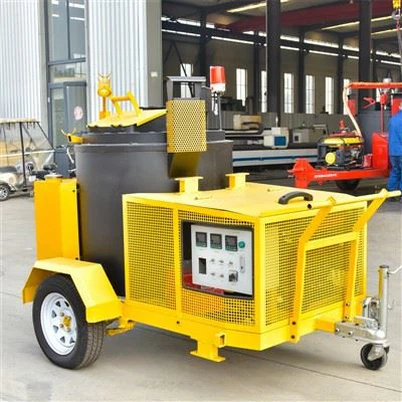
How to improve the filling quality of a joint filling machine?
Leave a message

Hey there! As a supplier of joint filling machines, I've seen firsthand the importance of high-quality filling in various industries. Whether it's for road construction, industrial applications, or other projects, getting the filling right can make a huge difference in the overall success of the job. In this blog, I'm gonna share some tips on how to improve the filling quality of a joint filling machine.
1. Choose the Right Machine for the Job
First things first, you need to pick the joint filling machine that suits your specific requirements. We offer a range of machines, like the Filling and Sewing All-in-one Machine, Asphalt Crack sealing Machine, and Hand Pushed Seam asphalt sealing machine. Each of these machines has its own features and is designed for different types of jobs.
If you're working on large-scale road projects, a more heavy-duty and high-capacity machine might be the way to go. On the other hand, for smaller, more precise jobs, a hand-pushed or more compact machine could be a better fit. Make sure to consider factors like the size of the joints, the type of filling material you'll be using, and the speed at which you need to complete the job.
2. Maintain Your Machine Regularly
Just like any other piece of equipment, a joint filling machine needs regular maintenance to perform at its best. Regular maintenance helps prevent breakdowns and ensures that the machine is operating efficiently. Here are some key maintenance tasks:
- Cleaning: After each use, clean the machine thoroughly to remove any leftover filling material. This helps prevent clogs and keeps the machine in good working condition. Pay special attention to the nozzles, hoses, and tanks.
- Lubrication: Check the machine's moving parts and lubricate them as needed. This reduces friction and wear, which can extend the lifespan of the machine.
- Inspection: Regularly inspect the machine for any signs of damage or wear. Look for loose parts, leaks, or any other issues that could affect the filling quality. Replace any worn-out parts promptly.
3. Use the Right Filling Material
The quality of the filling material you use has a direct impact on the filling quality. Make sure to choose a high-quality filling material that is suitable for your specific application. Different types of joints may require different types of filling materials, such as asphalt, epoxy, or silicone.
- Compatibility: Ensure that the filling material is compatible with the joint filling machine. Some materials may be too thick or too thin for certain machines, which can affect the flow and filling quality.
- Quality: Invest in high-quality filling materials. Cheaper materials may seem like a good deal at first, but they may not provide the same level of performance and durability.
4. Adjust the Machine Settings
Properly adjusting the machine settings is crucial for achieving high-quality filling. Here are some settings you may need to adjust:


- Flow Rate: The flow rate determines how much filling material is dispensed per unit of time. Adjust the flow rate based on the size of the joints and the desired filling level. A too-high flow rate can result in overfilling, while a too-low flow rate can lead to incomplete filling.
- Pressure: The pressure affects the force at which the filling material is dispensed. Make sure to set the pressure correctly to ensure that the material is evenly distributed and fills the joints properly.
- Temperature: If the filling material needs to be heated, make sure to set the temperature correctly. Different materials have different optimal temperature ranges, and incorrect temperatures can affect the viscosity and flow of the material.
5. Train Your Operators
Even the best joint filling machine won't perform well if the operator doesn't know how to use it properly. Make sure to provide comprehensive training to your operators. Training should cover topics such as machine operation, safety procedures, maintenance, and troubleshooting.
- Hands-on Training: Give your operators plenty of hands-on experience with the machine. Let them practice filling joints under supervision until they are comfortable and confident using the machine.
- Safety Training: Emphasize the importance of safety when operating the joint filling machine. Provide training on safety procedures, such as wearing protective gear, handling the filling material safely, and avoiding potential hazards.
6. Conduct Quality Checks
Regularly conduct quality checks during the filling process to ensure that the filling quality meets your standards. Here are some things to look for:
- Filling Level: Check that the joints are filled to the correct level. Overfilling or underfilling can affect the performance and appearance of the joints.
- Seal Integrity: Inspect the seals to make sure they are tight and free of gaps or leaks. A poor seal can allow water, dirt, and other contaminants to enter the joints, which can cause damage over time.
- Appearance: Look for any signs of uneven filling, bubbles, or other defects in the appearance of the filled joints. Address any issues immediately to ensure a high-quality finish.
7. Get Feedback and Make Improvements
Finally, don't be afraid to get feedback from your customers and operators. They can provide valuable insights into the performance of the joint filling machine and the filling quality. Use this feedback to identify areas for improvement and make any necessary adjustments to your processes or equipment.
If you're looking to improve the filling quality of your joint filling machine, I'd love to help. We're a leading supplier of joint filling machines, and we have the expertise and products to meet your needs. Whether you're a small contractor or a large construction company, we can provide you with the right machine and support to get the job done right. So, if you're interested in learning more or discussing your specific requirements, don't hesitate to reach out. Let's work together to achieve the best possible filling quality for your projects.
References
- Industry standards and guidelines for joint filling machines
- Manufacturer's manuals and specifications for our joint filling machines
- Experience and knowledge gained from years of supplying joint filling machines to various industries