What are the impacts of freeze - thaw cycles on road joint filling?
Leave a message

Freeze - thaw cycles are a natural phenomenon that significantly impacts various aspects of infrastructure, particularly road joint filling. As a supplier of road joint filling materials and equipment, I have witnessed firsthand the challenges and consequences that these cycles pose to road joints. In this blog, I will delve into the impacts of freeze - thaw cycles on road joint filling, explore the associated problems, and discuss potential solutions.
Understanding Freeze - Thaw Cycles
Freeze - thaw cycles occur when water infiltrates into porous materials, such as the joints in roads, and then freezes and thaws repeatedly. This process is mainly driven by temperature fluctuations. During the freezing phase, water expands by about 9% as it turns into ice. When the ice thaws, the water contracts back to its liquid state. These repeated expansion and contraction cycles exert significant stress on the surrounding materials.
In the context of road joint filling, the joints are designed to accommodate the expansion and contraction of the road surface due to temperature changes. However, the additional stress caused by freeze - thaw cycles can exceed the joints' normal capacity to adjust, leading to a series of problems.
Physical Damage to Road Joint Filling
One of the most obvious impacts of freeze - thaw cycles on road joint filling is physical damage. The expansion of ice within the joints can cause the joint filler to crack, break, or even be displaced. When water freezes, it exerts a large amount of pressure on the joint filling material. If the material is not strong enough to withstand this pressure, it will start to show signs of damage.
For example, a brittle joint filler may crack under the pressure of ice expansion. These cracks can then allow more water to penetrate deeper into the joint, exacerbating the problem. Over time, the joint filler may break into smaller pieces, and some of it may be forced out of the joint. This not only compromises the integrity of the joint filling but also leaves the road surface vulnerable to further damage.
The physical damage to road joint filling can also lead to a reduction in its effectiveness. Joint fillers are supposed to seal the joints and prevent water, debris, and other contaminants from entering. When the filler is damaged, these substances can easily penetrate the joints, leading to problems such as corrosion of the underlying road structure and the growth of vegetation within the joints.
Chemical Changes in Road Joint Filling
In addition to physical damage, freeze - thaw cycles can also cause chemical changes in road joint filling materials. Many joint fillers are made of polymers or bituminous materials, which can be affected by the repeated freezing and thawing.
The extreme temperature changes can cause the polymers in the joint filler to break down over time. This breakdown can lead to a loss of elasticity and adhesion of the filler. As a result, the joint filler may not be able to effectively seal the joints or accommodate the movement of the road surface.


Bituminous joint fillers can also be affected by freeze - thaw cycles. The repeated expansion and contraction can cause the bitumen to oxidize more rapidly. Oxidation makes the bitumen harder and more brittle, reducing its ability to flex and seal the joints properly. This can lead to premature failure of the joint filling and the need for more frequent repairs.
Impact on Road Safety
The damage to road joint filling caused by freeze - thaw cycles can have a significant impact on road safety. Cracked or displaced joint fillers can create uneven surfaces on the road. These uneven surfaces can cause vehicles to bounce or vibrate, which can affect the driver's control of the vehicle, especially at high speeds.
Moreover, the presence of water in the damaged joints can increase the risk of hydroplaning. When water accumulates in the joints, it can create a thin layer between the tires and the road surface, reducing the tire's grip on the road. This can be particularly dangerous during wet weather conditions.
In addition, the growth of vegetation in the damaged joints can also pose a safety hazard. Vegetation can reduce the visibility of road markings and signs, making it more difficult for drivers to navigate the road.
Solutions to Mitigate the Impact of Freeze - Thaw Cycles
As a road joint filling supplier, we offer a range of solutions to mitigate the impact of freeze - thaw cycles. One of the key solutions is to use high - quality joint filling materials that are specifically designed to withstand the stresses of freeze - thaw cycles. These materials are often more flexible and durable, with better resistance to cracking and displacement.
For example, some of our polymer - based joint fillers have excellent elasticity and can stretch and contract with the movement of the road surface without cracking. They also have good adhesion properties, ensuring that they stay in place even under the pressure of ice expansion.
In addition to using high - quality materials, proper installation is also crucial. The joints should be cleaned and prepared thoroughly before the joint filler is applied. This ensures that the filler adheres well to the joint surfaces and provides an effective seal.
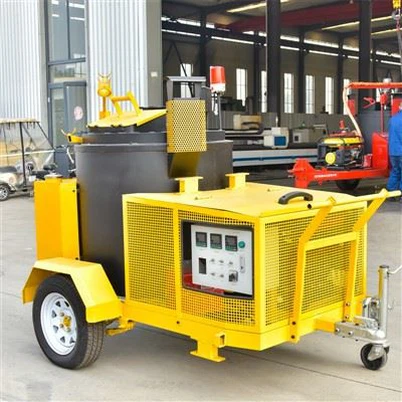
We also offer a variety of equipment to help with the installation and maintenance of road joint filling. For instance, our Road Surface Grouting Equipment can be used to apply the joint filler evenly and efficiently. Our Asphalt Crack Treatment Machine is designed to repair small cracks in the road surface before they become larger problems. And our 500L Traction Grouting Truck is suitable for large - scale road joint filling projects.
Long - Term Maintenance and Monitoring
To ensure the long - term performance of road joint filling, regular maintenance and monitoring are essential. Road authorities and contractors should conduct regular inspections of the road joints to identify any signs of damage or deterioration.
If any damage is detected, prompt repairs should be carried out. This may involve removing the damaged joint filler and replacing it with new material. In some cases, it may also be necessary to treat the underlying road structure to prevent further damage.
Monitoring the condition of road joint filling can also help in predicting future problems. By analyzing the data collected from inspections, it is possible to identify trends and patterns, such as areas that are more prone to damage due to freeze - thaw cycles. This information can be used to develop more effective maintenance strategies and prioritize repair work.
Conclusion
Freeze - thaw cycles have a significant impact on road joint filling, causing physical damage, chemical changes, and posing risks to road safety. As a road joint filling supplier, we understand the challenges that these cycles present and are committed to providing high - quality materials and equipment to address them.
By using the right materials, proper installation techniques, and regular maintenance, it is possible to mitigate the impact of freeze - thaw cycles and extend the lifespan of road joint filling. If you are involved in road construction or maintenance projects and are looking for reliable road joint filling solutions, we invite you to contact us for a detailed discussion and procurement negotiation. We are confident that our products and expertise can meet your needs and help you build and maintain safer and more durable roads.
References
- ASTM International. (20XX). Standard test methods for evaluating the properties of joint sealants for transportation facilities.
- FHWA. (20XX). Guide for the design and construction of concrete pavement joints.
- Smith, J. (20XX). The effects of freeze - thaw cycles on infrastructure materials. Journal of Civil Engineering Research.