What is the maximum joint width that a joint filling machine can handle?
Leave a message

What is the maximum joint width that a joint filling machine can handle? That's a question I get asked a lot as a supplier of joint filling machines. In this blog, I'm gonna break down the factors that affect the max joint width a machine can handle and give you the low - down on what to expect from different types of our machines.
First off, let's talk about why joint width matters. When you're filling joints in things like roads, sidewalks, or industrial floors, the width of the joint plays a huge role in determining the right machine and the right filling material. If the joint is too wide for the machine, you might not get a proper fill, which can lead to premature wear and tear, water infiltration, and other issues. On the other hand, if the joint is much narrower than what the machine is designed for, you could end up wasting material and time.
There are several factors that influence the maximum joint width a joint filling machine can handle. One of the most important is the design of the machine's dispensing system. The size and shape of the nozzle or spout through which the filling material is applied can set a limit on how wide a joint it can effectively fill. For example, a machine with a narrow, precision nozzle might be great for small - width joints but struggle with wider ones.


Another factor is the viscosity of the filling material. Different materials have different viscosities, which is basically a measure of how thick or thin they are. Thicker materials are harder to push through small openings and might require a wider nozzle or a more powerful pumping system to be applied to wider joints.
The type of joint filling machine also makes a big difference. We have a few different types in our lineup, and each has its own capabilities when it comes to joint width.
Let's start with the Hand Pushed Seam asphalt sealing machine. This is a popular choice for smaller jobs, like filling joints in sidewalks or small parking lots. It's relatively easy to operate and maneuver, but it does have some limitations when it comes to joint width. Typically, a hand - pushed machine can handle joints up to about 1 to 2 inches wide. This is because of its relatively small dispensing system and the fact that it's designed for more precision work. The smaller nozzle on this machine is great for getting into tight spaces and applying the filling material evenly in narrow joints. But if you have a joint that's much wider than 2 inches, you might find that the machine has trouble spreading the material across the entire width of the joint.
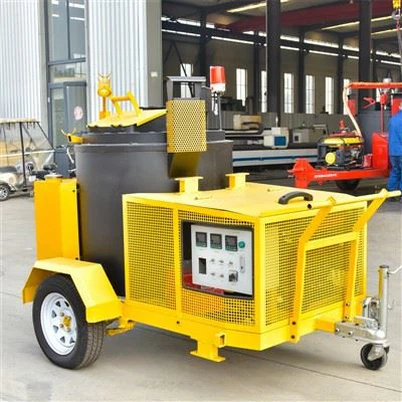
Next up is the FAGF200 Asphalt Crack Sealing Machine. This machine is a step up in terms of power and capacity. It's designed for medium - sized jobs, like filling joints in larger parking lots or small roads. The FAGF200 can handle joints up to about 3 inches wide. It has a more powerful pumping system and a larger dispensing nozzle compared to the hand - pushed machine. This allows it to push thicker filling materials through the nozzle and spread them over a wider area. The machine is also more stable and can cover more ground in less time, making it a great option for jobs with multiple joints of moderate width.
Finally, we have the Vehicle Mounted Asphalt Grouting Machine. This is the heavy - hitter in our lineup. It's designed for large - scale jobs, like filling joints in major roads and highways. The vehicle - mounted machine can handle joints up to 4 inches or even wider in some cases. It has a large - capacity hopper, a high - powered pumping system, and a wide - opening dispensing nozzle. This allows it to apply large amounts of filling material quickly and evenly across wide joints. The machine is also mobile, which means it can be easily transported to different job sites and can cover long stretches of road without having to stop and refill as often.
Of course, these are just general guidelines. The actual maximum joint width a machine can handle can vary depending on a few other things, like the condition of the machine, the type of filling material being used, and the skill of the operator. For example, if the filling material is particularly thick or sticky, you might need to reduce the joint width you're trying to fill to ensure a proper application.
When choosing a joint filling machine based on joint width, it's also important to consider the overall cost - effectiveness. A more powerful machine that can handle wider joints might be more expensive to buy and operate, but it can save you time and money in the long run if you have a lot of wide joints to fill. On the other hand, if you only have a few narrow joints to fill, a smaller, less expensive machine might be the better choice.
In conclusion, the maximum joint width a joint filling machine can handle depends on a variety of factors, including the machine's design, the viscosity of the filling material, and the type of job you're doing. We offer a range of machines to suit different needs and joint widths, from the small and precise hand - pushed machine to the large and powerful vehicle - mounted machine.
If you're in the market for a joint filling machine and need help deciding which one is right for your project, or if you have any questions about joint width and machine capabilities, don't hesitate to reach out. We're here to help you make the best choice for your needs and get the job done right.
References
- Industry knowledge and experience in joint filling machine manufacturing.
- Technical specifications of our joint filling machines.