Can road joint filling be used on bike paths?
Leave a message

As a supplier of road joint filling products and equipment, I often get asked whether our solutions can be used on bike paths. It's a valid question, considering the unique characteristics and requirements of bike paths compared to regular roads. In this blog post, I'll delve into this topic, exploring the feasibility, benefits, and considerations of using road joint filling on bike paths.
Understanding the Basics of Road Joint Filling
Before we discuss its applicability to bike paths, let's first understand what road joint filling is. Road joint filling is a process used to seal the joints and cracks in pavements, such as roads and parking lots. The main purpose is to prevent water, debris, and other contaminants from entering the joints, which can cause damage to the pavement structure over time. By filling these joints, we can extend the lifespan of the pavement, reduce maintenance costs, and improve the overall safety and performance of the road.
There are various types of road joint filling materials available, including hot-poured sealants, cold-applied sealants, and preformed joint fillers. Each type has its own advantages and disadvantages, depending on factors such as the climate, traffic volume, and type of pavement. For example, hot-poured sealants are typically more durable and flexible, making them suitable for areas with high traffic and extreme temperature variations. On the other hand, cold-applied sealants are easier to apply and can be used in a wider range of temperatures, but they may not be as long-lasting.
Feasibility of Using Road Joint Filling on Bike Paths
Now, let's address the question at hand: Can road joint filling be used on bike paths? The short answer is yes. In fact, using road joint filling on bike paths can offer several benefits.
Protection Against Damage
Just like roads, bike paths are also subject to wear and tear over time. Cracks and joints in the pavement can allow water to seep in, which can lead to freeze-thaw damage, potholes, and other issues. By filling these joints, we can prevent water from entering the pavement structure, reducing the risk of damage and extending the lifespan of the bike path.
Improved Safety
Cracks and uneven surfaces on bike paths can pose a safety hazard to cyclists. They can cause bikes to wobble or even crash, especially at high speeds. By filling the joints and smoothing out the surface, we can create a safer riding environment for cyclists, reducing the risk of accidents and injuries.
Aesthetic Appeal
In addition to the practical benefits, using road joint filling on bike paths can also enhance their aesthetic appeal. A well-maintained bike path with smooth, sealed joints looks more inviting and professional, making it more likely to be used by cyclists and pedestrians alike.


Considerations for Using Road Joint Filling on Bike Paths
While road joint filling can be beneficial for bike paths, there are also some considerations that need to be taken into account.
Traffic Volume and Type
The traffic volume and type on a bike path can have a significant impact on the choice of road joint filling material and application method. For example, bike paths with high traffic volumes may require a more durable and flexible sealant to withstand the constant wear and tear. On the other hand, bike paths with low traffic volumes may be able to use a less expensive and less durable sealant.
Climate and Temperature
The climate and temperature in the area where the bike path is located can also affect the performance of the road joint filling material. For example, in areas with extreme temperature variations, a sealant that can expand and contract without cracking is essential. In addition, some sealants may require specific temperature conditions for proper application, so it's important to choose a material that is suitable for the local climate.
Surface Preparation
Proper surface preparation is crucial for the success of any road joint filling project. Before applying the sealant, the joints and cracks in the pavement need to be cleaned and dried thoroughly to ensure good adhesion. In addition, any loose or damaged pavement should be repaired before filling the joints.
Equipment and Application Method
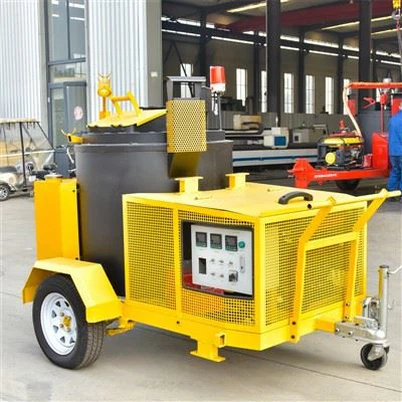
The choice of equipment and application method can also affect the quality and durability of the road joint filling. For example, using a high-quality 500L Hydraulic Traction Grouting Machine can ensure that the sealant is applied evenly and at the correct temperature, while using the wrong equipment or application method can result in a poor-quality seal.
Our Road Joint Filling Solutions for Bike Paths
As a leading supplier of road joint filling products and equipment, we offer a wide range of solutions that are suitable for bike paths. Our products include high-quality hot-poured and cold-applied sealants, as well as a variety of equipment for surface preparation and application.
Sealants
Our hot-poured sealants are formulated to provide excellent durability and flexibility, making them ideal for bike paths with high traffic volumes and extreme temperature variations. They are available in a range of colors to match the surrounding environment, and they can be applied using our Asphalt Crack sealing Machine for fast and efficient installation.
Our cold-applied sealants are easy to apply and can be used in a wider range of temperatures, making them suitable for bike paths in areas with milder climates. They are also available in a variety of colors and can be applied using a brush, roller, or sprayer.
Equipment
In addition to our sealants, we also offer a range of equipment for surface preparation and application. Our Road Mend Machine is a versatile tool that can be used to clean and repair cracks and joints in the pavement, while our grouting machines are designed to apply the sealant evenly and at the correct temperature.
Contact Us for Road Joint Filling Solutions
If you're interested in using road joint filling on your bike path, we'd love to hear from you. Our team of experts can help you choose the right sealant and equipment for your specific needs, and we can provide you with a free consultation and quote.
Whether you're a municipality, a park district, or a private property owner, we have the products and expertise to help you create a safe, durable, and aesthetically pleasing bike path. Contact us today to learn more about our road joint filling solutions and how we can help you achieve your goals.
References
- "Pavement Joint Sealing: A Guide for Municipalities and Contractors." Federal Highway Administration.
- "Bicycle Path Design and Construction Guidelines." National Association of City Transportation Officials.
- "Sealant Selection and Application for Pavement Joints." Asphalt Institute.