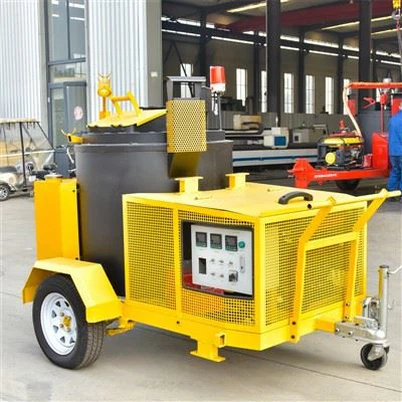
What is the corrosion - resistance of a joint filling machine?
Leave a message

As a provider of high - quality joint filling machines, I often get asked about the corrosion - resistance of these essential pieces of equipment. Corrosion resistance is a crucial factor that determines the longevity, performance, and cost - effectiveness of a joint filling machine. In this blog, I'll delve into what corrosion resistance means for a joint filling machine, why it matters, and how we ensure our machines offer top - notch protection against corrosion.
Understanding Corrosion in the Context of Joint Filling Machines
Corrosion is a natural process that occurs when metals react with their environment, typically oxygen and moisture. For joint filling machines, which are often used in outdoor and sometimes harsh conditions, the risk of corrosion is significant. These machines are exposed to various elements such as rain, humidity, and sometimes even chemicals used in the joint filling materials.
When a joint filling machine corrodes, it can lead to a multitude of problems. The structural integrity of the machine may be compromised, which can result in parts breaking down or malfunctioning. Corrosion can also affect the precision of the machine, leading to inaccurate filling and potentially poor - quality joint filling jobs. Moreover, corroded parts may need to be replaced more frequently, increasing maintenance costs and downtime.
Why Corrosion Resistance is Vital for Joint Filling Machines
Longevity
A joint filling machine is a significant investment. By ensuring high corrosion resistance, we can extend the lifespan of the machine. A machine that resists corrosion will last longer, providing more value for money over time. This is especially important for businesses that rely on these machines for their daily operations. For example, a construction company that uses a joint filling machine regularly needs it to be operational for as long as possible without major breakdowns.
Performance
Corrosion can interfere with the smooth operation of a joint filling machine. It can cause parts to stick or move less freely, which can affect the flow of the filling material. This, in turn, can lead to uneven filling, which is unacceptable in most joint filling applications. A corrosion - resistant machine maintains its performance consistency, ensuring that each joint is filled accurately and efficiently.
Cost - Efficiency
As mentioned earlier, corrosion can increase maintenance and replacement costs. A joint filling machine that is prone to corrosion will require more frequent part replacements and repairs. On the other hand, a corrosion - resistant machine reduces these costs. The initial investment in a high - quality, corrosion - resistant machine may be slightly higher, but the long - term savings in maintenance and replacement costs make it a more cost - effective choice.
How We Ensure Corrosion Resistance in Our Joint Filling Machines
Material Selection
One of the primary ways we ensure corrosion resistance is through careful material selection. We use high - grade stainless steel and other corrosion - resistant alloys in the construction of our Joint Filling Machine. Stainless steel is known for its excellent resistance to rust and corrosion, making it an ideal choice for components that are exposed to moisture and chemicals. For example, the hoppers and pipes that carry the filling material are often made of stainless steel to prevent corrosion from the inside out.
Surface Treatments
In addition to using corrosion - resistant materials, we also apply various surface treatments to our machines. These treatments act as an extra layer of protection against corrosion. One common treatment is powder coating. Powder coating provides a durable, smooth finish that not only looks good but also protects the underlying metal from corrosion. It forms a barrier that prevents moisture and oxygen from reaching the metal surface.
Another surface treatment we use is galvanization. Galvanized parts have a layer of zinc coating, which sacrificially corrodes to protect the underlying metal. This is particularly useful for parts that are exposed to harsh outdoor conditions.
Design Considerations
Our machine design also plays a role in corrosion resistance. We design our joint filling machines to be easy to clean. A clean machine is less likely to corrode because dirt, debris, and chemicals that can cause corrosion are removed. For example, we ensure that there are no areas where water can pool, as standing water can accelerate corrosion. The machines are also designed with proper drainage channels to allow water to flow away quickly.
Comparison with Other Related Machines
It's also interesting to compare the corrosion resistance of our joint filling machines with other related machines in the industry, such as Concrete Grouting Machine and Asphalt Crack Sealing Machine.
Concrete grouting machines are used to inject concrete into joints and voids. They are often exposed to wet concrete, which can be highly alkaline and corrosive. Our corrosion - resistant design principles apply equally to these machines. We use similar high - quality materials and surface treatments to ensure that our concrete grouting machines can withstand the harsh environment of concrete handling.
Asphalt crack sealing machines, on the other hand, are used to seal cracks in asphalt surfaces. They are exposed to hot asphalt, which can be sticky and potentially corrosive if not properly managed. Our asphalt crack sealing machines are designed with corrosion - resistant materials and easy - to - clean features to prevent the build - up of asphalt residue, which can lead to corrosion over time.
Conclusion
In conclusion, corrosion resistance is a critical aspect of a joint filling machine. It affects the machine's longevity, performance, and cost - efficiency. As a leading provider of joint filling machines, we take corrosion resistance seriously. Through careful material selection, surface treatments, and thoughtful design, we ensure that our machines can withstand the harsh conditions of the construction and road - maintenance industries.
If you're in the market for a reliable, corrosion - resistant joint filling machine, we'd love to hear from you. Whether you're a small construction company or a large infrastructure project, our machines are designed to meet your needs. Contact us to discuss your requirements and find out how our joint filling machines can benefit your business.


References
- "Corrosion Science and Engineering" by Roberge, P. R.
- "Materials Selection for Corrosion Control" by Revie, R. W.