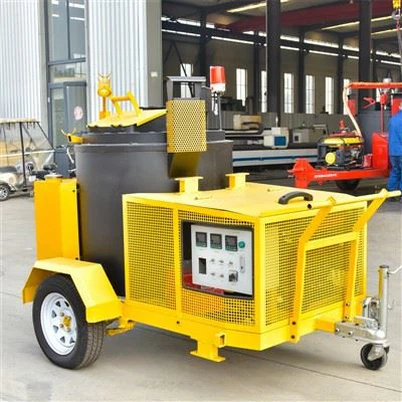
What are the requirements for the thickness of road joint filling?
Leave a message

Hey there! As a road joint filling supplier, I've been in the business for quite a while, and I often get asked about the requirements for the thickness of road joint filling. So, I thought I'd share some insights on this topic.
First off, why does the thickness of road joint filling even matter? Well, proper joint filling is crucial for maintaining the integrity of roads. Joints in roads are designed to accommodate the expansion and contraction of the pavement due to temperature changes. If the joint filling is too thin, it won't be able to effectively seal the joint, which can lead to water infiltration. Water getting into the joints can cause all sorts of problems, like erosion of the base material, freezing and thawing damage in colder climates, and ultimately, premature pavement failure. On the other hand, if the joint filling is too thick, it can create an uneven surface, which is not only uncomfortable for drivers but can also cause additional wear and tear on vehicles.
Factors Affecting the Required Thickness
There are several factors that determine the appropriate thickness of road joint filling.
Climate Conditions
One of the most significant factors is the climate of the area where the road is located. In regions with extreme temperature variations, such as areas that experience very hot summers and very cold winters, the pavement expands and contracts more significantly. In these cases, a thicker joint filling may be required to ensure that the joint remains sealed throughout the year. For example, in a desert area where the temperature can soar during the day and drop significantly at night, the pavement will expand and contract a great deal. A thicker joint filling can better withstand these movements without cracking or pulling away from the joint walls.
Traffic Volume
The amount of traffic on the road also plays a role. High - traffic roads, like major highways and city arterials, are subject to more stress and wear. The constant movement of vehicles can put pressure on the joint filling. In such cases, a thicker joint filling is often necessary to provide better durability and resistance to the forces exerted by traffic. For instance, a busy interstate highway with heavy trucks passing through regularly will require a more robust joint filling compared to a quiet residential street.
Type of Pavement
The type of pavement material used also affects the joint filling thickness. Concrete pavements and asphalt pavements have different characteristics. Concrete is more rigid and has larger expansion and contraction movements compared to asphalt. As a result, concrete pavements usually require a thicker joint filling to accommodate these movements. Asphalt pavements, while more flexible, still need an appropriate joint filling thickness to prevent water infiltration and maintain the overall integrity of the road.
Industry Standards for Thickness
There are some general industry standards for the thickness of road joint filling. However, these can vary depending on local regulations and specific project requirements.
For most common road applications, the thickness of joint filling typically ranges from 1/4 inch to 3/4 inch. In areas with mild climate conditions and light traffic, a thinner joint filling, around 1/4 inch, may be sufficient. But in areas with harsh climates and heavy traffic, a thickness of up to 3/4 inch or even more may be required.
It's important to note that these are just general guidelines. Before starting any road joint filling project, it's essential to consult local transportation authorities and follow their specific requirements. They may have more detailed standards based on the unique characteristics of the area.
Our Products and Their Suitability
As a road joint filling supplier, we offer a range of products that can meet different thickness requirements.
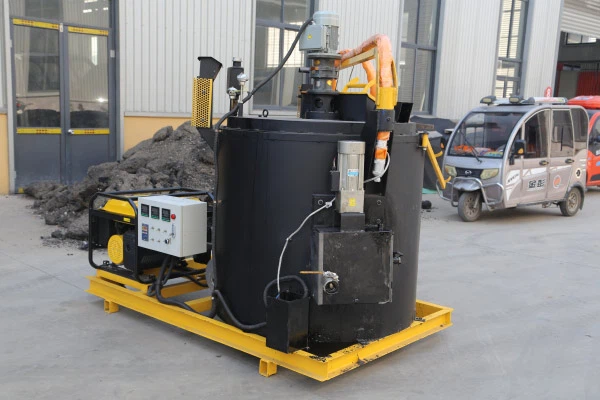
We have the Concrete Grouting Machine. This machine is great for filling joints in concrete pavements. It can accurately dispense the joint filling material to achieve the desired thickness. Whether you need a thin or thick joint filling, this machine can be adjusted accordingly.
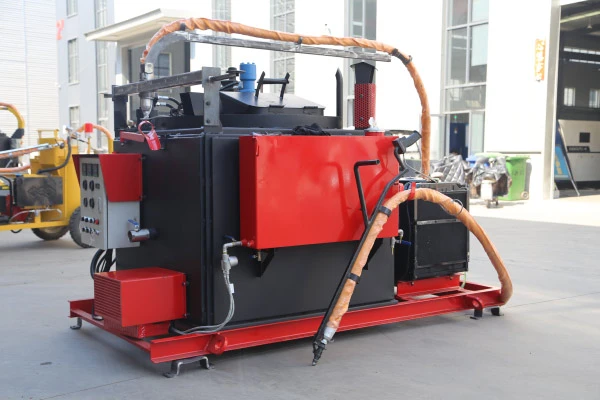
Our FAGF100 Asphalt Crack Sealing Machine is another excellent option. It's specifically designed for asphalt pavements. It can apply the joint filling material evenly, ensuring that the thickness is consistent across the entire joint. This machine is very efficient, which is especially important for large - scale road projects.
If you're on a budget, we also have Used Crack sealing Machine. These machines are in good working condition and can still provide reliable performance for joint filling projects. They can help you achieve the right thickness for your road joints without breaking the bank.
How to Ensure the Right Thickness
When it comes to applying the joint filling material to achieve the right thickness, there are a few key steps.
First, proper joint preparation is essential. The joint must be clean and free of debris, dirt, and old joint filling material. This ensures that the new joint filling material adheres properly to the joint walls. You can use a high - pressure air blower or a wire brush to clean the joint.
Next, use the right equipment. As mentioned earlier, our machines are designed to help you achieve the correct thickness. Make sure to follow the manufacturer's instructions for operating the equipment. Adjust the settings of the machine according to the required thickness of the joint filling.
During the application process, it's important to monitor the thickness continuously. You can use a measuring tool, such as a ruler or a caliper, to check the thickness at regular intervals. If the thickness is not right, make adjustments to the equipment or the application technique immediately.
Conclusion
In conclusion, the requirements for the thickness of road joint filling depend on several factors, including climate conditions, traffic volume, and the type of pavement. It's crucial to follow industry standards and local regulations to ensure the long - term performance of the road.
As a road joint filling supplier, we're here to help you with all your joint filling needs. Whether you need advice on the right thickness for your project or the right equipment to achieve it, we've got you covered.
If you're interested in our products or have any questions about road joint filling, don't hesitate to reach out. We're always happy to have a chat and discuss how we can assist you with your next project. Let's work together to keep our roads in top - notch condition!
References
- "Pavement Joint Design and Construction Guide" by the American Association of State Highway and Transportation Officials (AASHTO).
- "Best Practices for Road Joint Filling" published by the National Asphalt Pavement Association (NAPA).