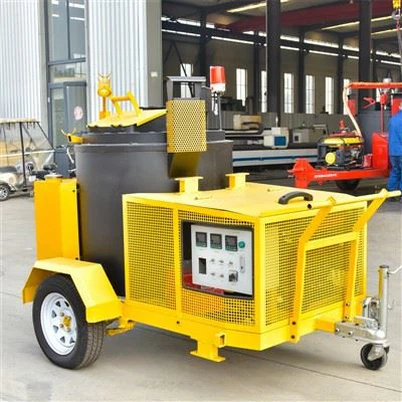
What are the anti - corrosion measures for a Highway Maintenance Car?
Leave a message

Hey there! As a supplier of Highway Maintenance Car, I've seen firsthand how important it is to keep these vehicles in top - notch condition. One of the biggest threats to the longevity of a highway maintenance car is corrosion. In this blog, I'm gonna share some effective anti - corrosion measures that we've found really work.
1. Understanding the Causes of Corrosion
Before we dive into the solutions, it's crucial to understand what causes corrosion in the first place. Highway maintenance cars are constantly exposed to harsh environments. They drive on roads where de - icing salts are used in winter, which are extremely corrosive. Rain, snow, and humidity also contribute to the corrosion process. Additionally, dirt and debris that accumulate on the vehicle can trap moisture against the metal, accelerating rust formation.
2. Regular Cleaning
One of the simplest yet most effective anti - corrosion measures is regular cleaning. After each use, it's a good idea to wash the entire vehicle thoroughly. Use a mild soap and a soft brush to clean the body, undercarriage, and all the nooks and crannies. Pay special attention to areas where dirt and salt tend to build up, like the wheel wells and the frame.
Cleaning the car not only removes the corrosive substances but also allows you to inspect the vehicle for any signs of damage or early corrosion. If you notice any scratches or chips in the paint, it's vital to address them quickly because these areas are prime spots for rust to start.
3. Paint Protection
A good quality paint job is like a shield for your highway maintenance car. It creates a barrier between the metal and the elements. When we supply our vehicles, we make sure to use high - quality automotive paint that has excellent anti - corrosion properties.
But the paint can get damaged over time. So, it's a smart move to consider additional paint protection. Options like waxing or applying a ceramic coating can provide an extra layer of defense. Waxing is relatively inexpensive and can be done regularly at home. It helps to repel water and reduce the adhesion of dirt and salt. On the other hand, ceramic coatings are more long - lasting. They form a hard, protective layer that can withstand the rigors of the road for several years.
4. Undercarriage Protection
The undercarriage of a highway maintenance car is particularly vulnerable to corrosion. It's constantly bombarded with water, salt, and debris from the road. To protect it, we often recommend applying an undercoating. There are different types of undercoatings available.
Rubberized undercoating is a popular choice. It adheres well to the metal and provides a flexible, protective layer. It can absorb the impact of stones and other road debris, reducing the risk of scratches that could lead to corrosion. Another option is a wax - based undercoating. This type of undercoating creates a smooth surface that repels water and salt. It's also relatively easy to apply and can be reapplied as needed.
5. Rust Inhibitors
Rust inhibitors are chemicals that can be applied to the metal parts of the vehicle to slow down or prevent the corrosion process. There are two main types: surface - acting and penetrating rust inhibitors.
Surface - acting rust inhibitors form a thin film on the metal surface, preventing oxygen and moisture from reaching the metal. They work well for exposed metal parts that are not easily damaged. Penetrating rust inhibitors, on the other hand, are designed to seep into small cracks and crevices in the metal. They can displace moisture and prevent rust from spreading in areas where it has already started.
We usually recommend using a combination of both types of rust inhibitors. Apply the surface - acting inhibitor to the visible metal surfaces and use the penetrating inhibitor in hard - to - reach areas and around joints.
6. Proper Storage
How and where you store your highway maintenance car can also have a big impact on corrosion. If possible, it's best to store the vehicle in a dry, covered area. A garage or a storage shed will protect the car from rain, snow, and direct sunlight.
When storing the car for an extended period, make sure to clean it thoroughly first. You can also consider using a car cover to provide an extra layer of protection. However, make sure the car is completely dry before covering it to prevent moisture from being trapped inside.
7. Monitoring and Maintenance
Regular monitoring is essential to catch any signs of corrosion early. Inspect the vehicle regularly, looking for rust spots, paint chips, or any other signs of damage. If you notice any issues, address them immediately.
In addition to visual inspections, you can also perform some simple maintenance tasks to prevent corrosion. For example, check the drainage holes in the body of the car to make sure they are clear. Clogged drainage holes can cause water to accumulate, leading to corrosion.
Other Related Vehicles
If you're in the business of road maintenance, you might also be interested in our other vehicles, such as Pedestrian Cleaning Vehicle and Road Sanitation Vehicle. These vehicles also face similar corrosion challenges, and the anti - corrosion measures we've discussed here can be applied to them as well.
Conclusion
Corrosion is a serious threat to the performance and longevity of highway maintenance cars, but with the right anti - corrosion measures, you can keep your vehicles in great shape for years to come. Regular cleaning, paint protection, undercarriage protection, the use of rust inhibitors, proper storage, and regular monitoring are all key components of a comprehensive anti - corrosion strategy.


If you're looking to purchase a highway maintenance car or need advice on anti - corrosion for your existing vehicles, don't hesitate to reach out. We're here to help you make the best decisions for your road maintenance needs.
References
- Automotive Corrosion Prevention Handbook, Various Authors
- Guide to Vehicle Maintenance and Protection, Published by a leading automotive industry organization