What maintenance should be done for a road sanitation vehicle regularly?
Leave a message

Regular maintenance of road sanitation vehicles is crucial to ensure their optimal performance, longevity, and efficiency in keeping our roads clean. As a road sanitation vehicle supplier, I've seen firsthand the importance of proper upkeep. In this blog, I'll share the key maintenance tasks that need to be done regularly for these vehicles.
Pre - Trip Checks
Before each use, a quick pre - trip check should be carried out. First, check the tire pressure. Under - inflated tires can increase fuel consumption and cause uneven wear, while over - inflated tires can affect the vehicle's handling. Take a few minutes to walk around the vehicle and visually inspect the tires for any signs of damage, such as cuts, bulges, or excessive tread wear. If you notice any issues, it's better to replace the tire immediately.


Next, check the fluid levels. This includes the engine oil, coolant, brake fluid, and hydraulic fluid. Low fluid levels can lead to engine overheating, brake failure, or problems with the vehicle's hydraulic systems. You can easily access the dipsticks or reservoirs for these fluids and top them up if necessary. Also, check for any signs of leaks under the vehicle. A small leak can quickly turn into a major problem if not addressed promptly.
The lights and signals are also critical. Make sure that all the headlights, taillights, brake lights, turn signals, and hazard lights are working properly. Faulty lights can not only lead to traffic violations but also pose a significant safety risk on the road.
Engine Maintenance
The engine is the heart of the road sanitation vehicle, and regular engine maintenance is vital. Change the engine oil and oil filter at the recommended intervals. Fresh oil helps to lubricate the engine's moving parts, reduce friction, and prevent premature wear. Most manufacturers recommend changing the oil every 3,000 to 5,000 miles, but this can vary depending on the type of engine and the vehicle's usage.
The air filter is another important component. A dirty air filter can restrict air flow to the engine, reducing its performance and fuel efficiency. Check the air filter regularly and replace it if it's clogged. This is a relatively simple task that can save a lot of problems in the long run.
Similarly, the fuel filter should be replaced as per the manufacturer's guidelines. A blocked fuel filter can disrupt the fuel supply to the engine, causing it to run rough or even stall.
Chassis and Suspension Maintenance
The chassis of the road sanitation vehicle bears the weight of the entire vehicle and its equipment. Regularly inspect the chassis for any signs of rust, corrosion, or damage. Rust can weaken the chassis over time, compromising the vehicle's structural integrity. If you notice any rust spots, you can treat them with a rust inhibitor or have them repaired professionally.
The suspension system is responsible for providing a smooth ride and keeping the tires in contact with the road. Check the shock absorbers, springs, and bushings for any signs of wear or damage. Worn - out suspension components can cause the vehicle to bounce excessively, reduce handling, and increase tire wear. Replacing these components in a timely manner can improve the vehicle's safety and performance.
Waste Collection and Disposal System Maintenance
For road sanitation vehicles, the waste collection and disposal system is their main working part. If it's a garbage truck, check the hopper, compactor, and conveyor belt regularly. Look for any debris or buildup that could interfere with the system's operation. Clean the hopper and conveyor belt to prevent blockages.
The hydraulic system that powers the compactor and other waste - handling equipment also needs attention. Check the hydraulic hoses for any signs of leaks, cracks, or wear. Replace any damaged hoses immediately, as a hydraulic leak can not only cause the system to malfunction but also be a safety hazard.
Cleaning and Detailing
Regularly cleaning the exterior and interior of the road sanitation vehicle is not just about aesthetics. It can also prevent damage. Dirt and grime can accumulate on the vehicle's body and cause rust. Wash the vehicle regularly using a mild soap and water. Pay special attention to areas where dirt and debris tend to collect, such as the wheel wells, undercarriage, and around the waste collection area.
Inside the vehicle, clean the cab to keep it comfortable for the driver. Vacuum the floors, wipe down the dashboard and seats, and remove any trash or debris. A clean cab can also help to maintain a good working environment for the operator.
Specialized Vehicle Maintenance
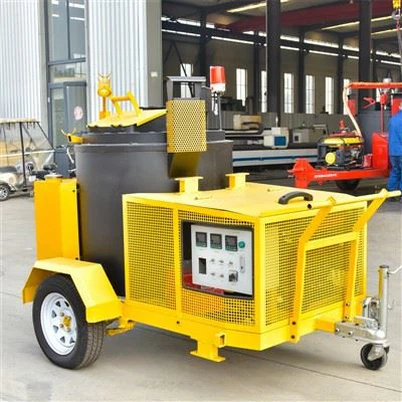
Depending on the type of road sanitation vehicle, there are additional maintenance tasks. For example, Road Repair Vehicle requires regular maintenance of its road - repair equipment. This may include checking the asphalt heating system, the paving mechanism, and the compaction equipment. Make sure that all the components are in good working condition and calibrated correctly.
Road Clearing Vehicle used for clearing debris from the roads need to have their sweeping brushes, suction systems, and debris collection containers maintained. Check the brushes for wear and replace them when necessary. Ensure that the suction system is working efficiently and that the debris container is clean and free of blockages.
Greening Comprehensive Maintenance Vehicle which is used for tasks like watering plants and pruning trees on the roadside has its own set of maintenance requirements. Check the water tank for leaks, the pumping system for proper functioning, and the pruning tools for sharpness and alignment.
Records and Documentation
Maintaining proper records of all maintenance activities is essential. Keep a log of when the oil was changed, the filters were replaced, and any major repairs were done. This documentation can help you keep track of the vehicle's maintenance schedule, identify recurring problems, and provide proof of maintenance for warranty purposes.
When to Seek Professional Help
While many basic maintenance tasks can be done in - house, there are times when it's necessary to seek professional help. If you're not confident in your ability to perform a particular maintenance task, or if you encounter a problem that you can't diagnose, it's best to take the vehicle to a qualified mechanic. They have the expertise and specialized tools to handle complex repairs and ensure that the vehicle is in top - notch condition.
In conclusion, regular maintenance of road sanitation vehicles is a multi - faceted task that requires attention to detail and a commitment to following the recommended procedures. By performing these maintenance tasks regularly, you can extend the lifespan of your vehicles, improve their performance, and ensure that they continue to serve the community effectively.
If you're in the market for high - quality road sanitation vehicles or need more information on maintenance, feel free to reach out to us. We're here to help you make the best choices for your road - cleaning needs and ensure that your vehicles are well - maintained.
References
- General automotive maintenance guidelines from vehicle manufacturers
- Industry best practices for road sanitation vehicle maintenance