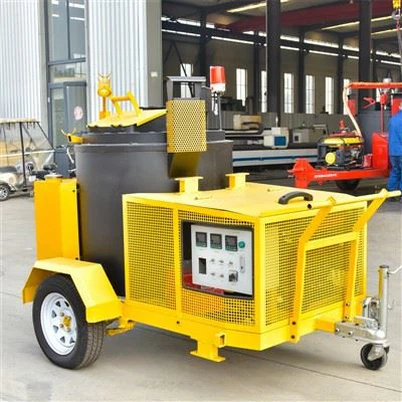
What are the latest technologies used in road repair vehicles?
Leave a message

Hey there! As a supplier of road repair vehicles, I'm super excited to share with you the latest technologies that are revolutionizing the road repair industry. These cutting - edge advancements not only make the repair process more efficient but also more environmentally friendly and cost - effective.
Let's start with the power source. In recent years, there's been a huge shift towards new energy in the road repair vehicle sector. New Energy Road Maintenance Vehicles are becoming increasingly popular. These vehicles use alternative energy sources like electricity, hydrogen fuel cells, or natural gas instead of traditional diesel. Electric road repair vehicles, for example, produce zero emissions at the point of use. This is a game - changer, especially in urban areas where air quality is a major concern. They're also quieter, which means less noise pollution during road repair work. You can check out more about these awesome vehicles here: New Energy Road Maintenance Vehicle.
Another cool technology is related to asphalt recycling. Asphalt hot recycling for road maintenance is a technique that has gained a lot of traction. Instead of just throwing away old asphalt and using new materials all the time, this method allows us to reuse the existing asphalt. The vehicle heats up the old asphalt on - site, rejuvenates it with special additives, and then lays it back down on the road. It's not only good for the environment as it reduces waste but also saves a ton of money in the long run. There's no need to transport large amounts of new asphalt to the site, which cuts down on fuel consumption and transportation costs. To learn more about this amazing technology, click here: Asphalt hot recycling for road maintenance.
When it comes to motorways, the requirements for road repair vehicles are a bit different. Motorway Maintenance Vehicles are equipped with advanced safety features and high - performance tools. These vehicles need to be able to work quickly and efficiently because motorways have a high volume of traffic. For instance, some of these vehicles are equipped with automated lane - marking systems. These systems use lasers and sensors to accurately apply lane markings, which are crucial for road safety. They can work at high speeds, ensuring that the motorway can be reopened to traffic as soon as possible. And if you're interested in the details of motorway maintenance vehicles, head over to this link: Motorway Maintenance Vehicles.
In addition to the above, there are also some smart technologies being integrated into road repair vehicles. For example, many modern vehicles are now equipped with GPS tracking systems. This allows the operators to know exactly where the vehicle is at all times, which is useful for scheduling and dispatching. It also helps in monitoring the vehicle's usage and performance. Some vehicles even have real - time diagnostic systems. These systems can detect problems with the vehicle's engine, hydraulic systems, or other components before they become major issues. This proactive approach can prevent breakdowns on the job site and reduce downtime.
Robotics is another area where we're seeing some exciting developments. There are now robotic road repair vehicles that can perform tasks like crack filling and pothole patching with high precision. These robots are programmed to follow a specific path and apply the right amount of material. They can work 24/7 without getting tired, which speeds up the repair process. And since they're robots, they can access hard - to - reach areas that might be dangerous for human workers.
3D mapping technology is also being used in road repair vehicles. Before starting any repair work, the vehicle can use 3D mapping to create a detailed model of the road surface. This helps the operators to identify all the areas that need repair, such as cracks, potholes, and uneven surfaces. They can then plan the repair work more effectively, ensuring that all the problems are addressed.
Now, you might be thinking about how these technologies can benefit your road repair projects. Well, the use of these advanced technologies means that the road repair work will be done faster, with higher quality, and at a lower cost. You'll get a better - looking and more durable road, which is great for both the drivers and the local community.


If you're in the market for road repair vehicles that incorporate these latest technologies, I'd love to have a chat with you. Whether you're a small - scale contractor or a large - scale infrastructure company, we have a wide range of vehicles to meet your needs. We can customize the vehicles according to your specific requirements and provide you with all the support you need, from training to after - sales service. So, don't hesitate to reach out and start a conversation about how we can work together to make your road repair projects a success.
References:
- Industry reports on road repair vehicle technologies
- Research papers on new energy applications in transportation
- Case studies of asphalt recycling projects
So, what are you waiting for? Let's get in touch and discuss your road repair vehicle needs!