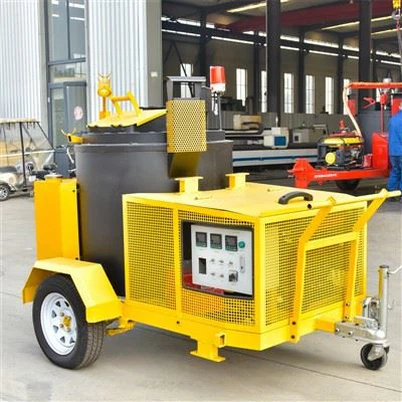
What are the electrical systems of a road clearing vehicle?
Leave a message

As a trusted supplier of road clearing vehicles, I've witnessed firsthand the crucial role these machines play in maintaining safe and clean roadways. A key aspect that often goes unnoticed but is fundamental to their operation is the electrical system. In this blog, we'll delve into the electrical systems of road clearing vehicles, exploring their components, functions, and importance.
Battery System
The battery is the heart of the electrical system in a road clearing vehicle. It provides the initial power needed to start the engine and supplies electricity to various electrical components when the engine is not running. In a typical road clearing vehicle, a high - capacity lead - acid battery is commonly used. These batteries are designed to withstand the harsh vibrations and temperature variations that the vehicle may encounter during operation.
The battery is connected to the vehicle's electrical system through a set of cables. These cables are thick and well - insulated to ensure efficient power transfer. A battery management system (BMS) is also often integrated to monitor the battery's state of charge, voltage, and temperature. This helps prevent overcharging, over - discharging, and other potential battery issues, thereby extending the battery's lifespan.
Charging System
The charging system in a road clearing vehicle is responsible for replenishing the battery's charge while the engine is running. It mainly consists of an alternator, voltage regulator, and associated wiring.
The alternator is driven by the engine through a belt. As the engine rotates, the alternator converts mechanical energy into electrical energy. It produces alternating current (AC), which is then rectified into direct current (DC) to charge the battery and power the vehicle's electrical components.
The voltage regulator ensures that the output voltage of the alternator remains within a safe and stable range. If the voltage is too high, it can damage the battery and other electrical components. Conversely, if the voltage is too low, the battery may not charge properly.
Lighting System
The lighting system is essential for the safety and visibility of road clearing vehicles, especially when operating at night or in low - light conditions. It includes headlights, taillights, turn signals, brake lights, and warning lights.
Headlights are designed to provide sufficient illumination of the road ahead. They usually have different beam settings, such as high - beam and low - beam, to adapt to different driving situations. Taillights and brake lights are crucial for indicating the vehicle's position and braking status to other road users. Turn signals help other drivers anticipate the vehicle's turning or lane - changing maneuvers.
Warning lights, such as amber strobe lights or LED beacons, are often installed on road clearing vehicles to make them more visible. These lights are used to alert other drivers when the vehicle is performing maintenance or clearing operations on the road. For example, a Highway Maintenance Lorry equipped with bright warning lights can significantly reduce the risk of accidents.
Control System
The control system in a road clearing vehicle is responsible for managing and coordinating the operation of various components. It consists of electronic control units (ECUs), sensors, and actuators.
ECUs are like the "brains" of the control system. They receive input signals from sensors, process the data, and send output signals to actuators to control the operation of different functions. For example, an ECU can control the speed and direction of a snow - plow blade based on the signals received from position sensors.
Sensors are used to monitor various parameters, such as engine temperature, oil pressure, and vehicle speed. They provide real - time data to the ECUs, allowing the control system to make appropriate adjustments. Actuators, on the other hand, are devices that convert electrical signals into mechanical actions. They can control components such as valves, motors, and solenoids.
Hydraulic and Pneumatic Control Circuits
In many road clearing vehicles, hydraulic and pneumatic systems are used to power certain functions, such as lifting and lowering of equipment, and the operation of brushes or sweepers. These systems are controlled by electrical valves and switches.
Electrical valves are used to regulate the flow of hydraulic fluid or compressed air in the circuits. They can be controlled by the vehicle's control system to achieve precise and efficient operation of the hydraulic and pneumatic components. For instance, in a Road Surface Maintenance Vehicle, the electrical control of hydraulic valves can ensure smooth and accurate operation of the surface - treatment equipment.
Communication and Monitoring Systems
Modern road clearing vehicles are often equipped with communication and monitoring systems. These systems allow the vehicle's operator to communicate with the control center and receive real - time information about the vehicle's status.


GPS tracking systems are commonly used to monitor the vehicle's location and movement. This information can be used for route planning, fleet management, and emergency response. In - vehicle communication systems, such as radios or mobile data terminals, enable the operator to communicate with other team members or the control center.
Monitoring systems can also be used to track the performance of various components, such as the engine, battery, and hydraulic system. By analyzing the data collected by these systems, maintenance personnel can detect potential problems early and perform preventive maintenance, reducing downtime and repair costs.
Importance of a Reliable Electrical System
A reliable electrical system is crucial for the proper operation of road clearing vehicles. Any malfunction in the electrical system can lead to a variety of problems, from minor inconveniences to serious safety hazards.
For example, if the battery fails, the vehicle may not start, leaving it stranded on the road. A faulty lighting system can reduce visibility, increasing the risk of accidents. A malfunctioning control system can cause improper operation of equipment, leading to inefficient clearing or maintenance work.
In addition, a reliable electrical system can improve the overall efficiency of road clearing operations. With a well - functioning control system, the vehicle can perform tasks more accurately and quickly. The communication and monitoring systems can also help optimize the use of resources and improve the coordination of the maintenance team.
Conclusion
The electrical system of a road clearing vehicle is a complex and vital part of its overall design. It encompasses multiple components, each with its own specific function, working together to ensure the vehicle's safe and efficient operation. Whether it's a Road Maintenance Truck or a specialized snow - clearing vehicle, a reliable electrical system is essential for maintaining our roadways.
If you're in the market for a road clearing vehicle or need to upgrade your existing fleet, we're here to help. Our team of experts can provide you with detailed information about the electrical systems and other features of our vehicles. We can also offer customized solutions to meet your specific requirements. Contact us today to start a conversation about your road clearing vehicle needs.
References
- SAE International, "Vehicle Electrical Systems Handbook"
- Bosch Automotive Handbook, "Electrical and Electronic Systems in Vehicles"
- Society of Automotive Engineers, "Electrical System Design and Integration for Commercial Vehicles"