What is the main function of a road maintenance truck?
Leave a message

As a provider of road maintenance trucks, I often encounter questions from customers about the main functions of these specialized vehicles. In this blog post, I will delve into the key functions of road maintenance trucks, exploring how they contribute to the upkeep and safety of our roadways.
Road Cleaning and Sanitation
One of the primary functions of a road maintenance truck is to keep the roads clean and free of debris. Roadways accumulate a variety of waste materials over time, including litter, leaves, dirt, and gravel. These materials not only detract from the aesthetic appeal of the roads but can also pose safety hazards to motorists and pedestrians.
A road maintenance truck equipped with a Road Sanitation Vehicle function is designed to efficiently collect and remove this debris. These trucks are typically fitted with powerful vacuum systems and sweeping brushes that can cover large areas quickly. The vacuum system sucks up loose debris, while the brushes sweep the remaining dirt and particles into a collection bin. This process helps to prevent the buildup of debris on the roads, reducing the risk of accidents caused by slippery surfaces or flying objects.
In addition to regular cleaning, road maintenance trucks can also be used for special cleaning operations, such as removing oil spills or chemical contaminants. These trucks are equipped with specialized equipment, such as high-pressure water jets and absorbent materials, to safely and effectively clean up hazardous materials. By promptly addressing these spills, road maintenance trucks help to protect the environment and ensure the safety of road users.
Road Repair and Patching
Another important function of a road maintenance truck is to perform road repairs and patching. Over time, roads can develop cracks, potholes, and other forms of damage due to heavy traffic, weather conditions, and natural wear and tear. These damages not only affect the smoothness of the road surface but can also pose a safety risk to motorists.


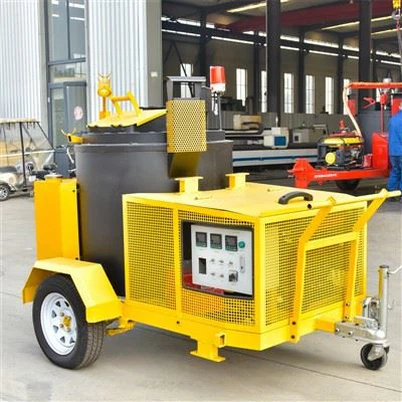
A road maintenance truck equipped with a Road Repair Machine function is designed to quickly and efficiently repair these damages. These trucks are typically equipped with a variety of tools and equipment, such as asphalt heaters, mixers, and compactors, to prepare and apply the necessary repair materials. The asphalt heater is used to heat the asphalt to the appropriate temperature, while the mixer combines the asphalt with other materials, such as aggregate and additives, to create a durable repair material. The compactor is then used to compress the repair material into the damaged area, ensuring a smooth and even surface.
In addition to repairing cracks and potholes, road maintenance trucks can also be used for other types of road repairs, such as resurfacing and sealing. Resurfacing involves applying a new layer of asphalt or concrete to the road surface to improve its smoothness and durability. Sealing involves applying a protective coating to the road surface to prevent water and other contaminants from penetrating the pavement and causing damage. By performing these repairs and maintenance operations, road maintenance trucks help to extend the lifespan of the roads and reduce the need for costly reconstruction.
Road Marking and Signage
Road maintenance trucks also play an important role in road marking and signage. Road markings and signs are essential for guiding motorists and pedestrians, providing information about traffic rules, speed limits, and road conditions. Over time, these markings and signs can fade or become damaged due to weather conditions, traffic wear, and other factors.
A road maintenance truck equipped with a road marking and signage function is designed to quickly and efficiently replace or repair these markings and signs. These trucks are typically equipped with a variety of tools and equipment, such as paint sprayers, stencils, and reflective materials, to apply and install the necessary markings and signs. The paint sprayer is used to apply the paint to the road surface, while the stencils are used to create the desired markings, such as lane lines, crosswalks, and stop signs. The reflective materials are then applied to the markings to improve their visibility at night and in low-light conditions.
In addition to applying and installing road markings and signs, road maintenance trucks can also be used for other types of road marking and signage operations, such as removing old markings and signs and installing new ones. By ensuring that road markings and signs are clear and visible, road maintenance trucks help to improve traffic safety and reduce the risk of accidents.
Snow and Ice Removal
In regions with cold climates, road maintenance trucks are also used for snow and ice removal. Snow and ice can accumulate on the roads during the winter months, making them slippery and dangerous for motorists and pedestrians. Road maintenance trucks equipped with snowplows, salt spreaders, and other snow and ice removal equipment are used to clear the roads and keep them safe for travel.
The snowplow is the primary tool used for snow removal. It is attached to the front of the road maintenance truck and is used to push the snow off the road surface. The salt spreader is then used to apply salt or other de-icing agents to the road surface to melt the ice and prevent it from reforming. These agents work by lowering the freezing point of water, causing the ice to melt and preventing it from sticking to the road surface.
In addition to snowplowing and salting, road maintenance trucks can also be used for other types of snow and ice removal operations, such as sanding and anti-icing. Sanding involves applying sand or other abrasive materials to the road surface to improve traction and reduce the risk of skidding. Anti-icing involves applying a de-icing agent to the road surface before a snow or ice storm to prevent the ice from forming in the first place. By performing these snow and ice removal operations, road maintenance trucks help to keep the roads safe and passable during the winter months.
Conclusion
In conclusion, the main function of a road maintenance truck is to keep the roads clean, safe, and in good condition. These specialized vehicles are equipped with a variety of tools and equipment to perform a wide range of maintenance operations, including road cleaning, repair, marking, and snow and ice removal. By performing these operations, road maintenance trucks help to extend the lifespan of the roads, reduce the need for costly reconstruction, and improve traffic safety for motorists and pedestrians.
If you are in the market for a road maintenance truck, I encourage you to contact us to learn more about our products and services. Our team of experts can help you choose the right truck for your specific needs and provide you with the support and training you need to operate it effectively. We are committed to providing our customers with high-quality products and services at competitive prices, and we look forward to working with you to keep your roads in top condition.
References
- "Road Maintenance Equipment: Types and Uses." The Balance Small Business, 2021.
- "The Importance of Road Maintenance." Federal Highway Administration, 2020.
- "Snow and Ice Control for Highways." American Association of State Highway and Transportation Officials, 2019.