How does a road maintenance vehicle handle chemical spills on the road?
Leave a message

Hey there! I'm a supplier of road maintenance vehicles, and today I wanna talk about how these bad - boys handle chemical spills on the road. It's a serious issue that can cause all sorts of problems, from environmental damage to traffic hazards. So, let's dive right in!
First off, it's important to understand the different types of chemical spills we might encounter on the road. There are all kinds of chemicals out there, like gasoline, oil, solvents, and even some more hazardous stuff like acids and alkalis. Each type of chemical requires a different approach when it comes to cleanup.
Our road maintenance vehicles are equipped with a bunch of tools and equipment to deal with these spills effectively. One of the most common tools is the absorbent material. We carry large amounts of absorbent pads, granules, and booms. These materials are designed to soak up the spilled chemicals like a sponge. For example, if there's a gasoline spill, we can quickly lay down the absorbent pads or sprinkle the granules over the affected area. The absorbent material will start to soak up the gasoline, making it easier to collect and remove.
Another important piece of equipment is the vacuum system. Our Highway Maintenance Lorry is often fitted with a powerful vacuum. Once the absorbent material has done its job, the vacuum can suck up the contaminated absorbent and the remaining chemical. This helps to ensure that the spill is completely removed from the road surface. The vacuum system is also useful for cleaning up any loose chemicals that might have splashed around.
When it comes to dealing with more hazardous chemicals, things get a bit more complicated. We need to take extra precautions to protect the environment and the workers. Our road maintenance vehicles are designed to handle these situations safely. For instance, we have special containment systems to prevent the chemicals from spreading further. These systems can include barriers and berms that can be quickly set up around the spill area.
Our Road Repair Vehicle also plays a role in chemical spill cleanup. In some cases, the spilled chemicals can damage the road surface. The road repair vehicle can be used to assess the damage and make the necessary repairs. It can patch up any cracks or holes in the road that might have been caused by the chemicals. This helps to ensure that the road is safe for traffic again as soon as possible.
In addition to the physical cleanup, we also need to consider the environmental impact of the chemical spill. Some chemicals can be very harmful to the soil, water, and wildlife. That's why we always follow strict environmental regulations when dealing with spills. Our vehicles are equipped with monitoring devices to check for any signs of contamination in the surrounding area. We also work closely with environmental agencies to ensure that the cleanup process is carried out in an environmentally friendly way.
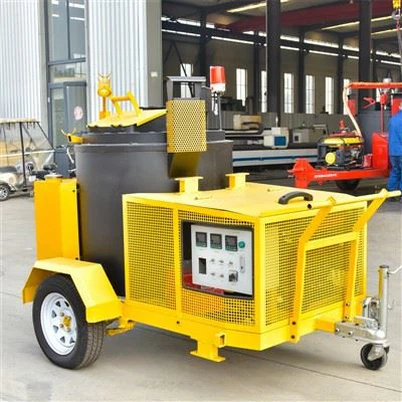
Let's talk about the Asphalt Curing Vehicle 800L. In some cases, after a chemical spill, the road surface might need to be treated with asphalt. The Asphalt Curing Vehicle 800L can be used to apply the asphalt and ensure that it cures properly. This helps to restore the road surface and prevent further damage.
Now, you might be wondering how we train our operators to handle chemical spills. Well, we have a comprehensive training program. Our operators learn about the different types of chemicals, the proper use of the equipment, and the safety procedures. They are also trained to work quickly and efficiently to minimize the impact of the spill.
When a chemical spill occurs, time is of the essence. That's why our road maintenance vehicles are always on standby. We have a fleet of vehicles ready to respond to spills at a moment's notice. We understand that a quick response can make a big difference in preventing the spread of the chemicals and reducing the damage.
One of the challenges we face in chemical spill cleanup is the weather. Rain, snow, or high winds can make the cleanup process more difficult. For example, rain can wash the chemicals away and spread them over a larger area. Our operators are trained to adapt to these conditions and use the appropriate techniques to deal with the spill.
We also use advanced technology to improve our chemical spill response. For example, we have GPS tracking systems on our vehicles. This allows us to quickly locate the nearest vehicle to the spill site and dispatch it as soon as possible. We also use drones to get an aerial view of the spill area, which helps us to assess the situation better.
In conclusion, our road maintenance vehicles are well - equipped to handle chemical spills on the road. From the absorbent materials and vacuum systems to the specialized equipment for hazardous chemicals, we have everything we need to clean up spills safely and effectively. We take environmental protection seriously and always follow the regulations.
If you're in the market for road maintenance vehicles, whether it's for chemical spill cleanup or other road maintenance tasks, we'd love to have a chat with you. We can provide you with more information about our products and how they can meet your needs. Just reach out to us, and we'll be happy to discuss your requirements and provide you with a quote. Let's work together to keep our roads safe and clean!
References


- Industry standards for road maintenance vehicle equipment
- Environmental regulations for chemical spill cleanup
- Training materials for road maintenance vehicle operators