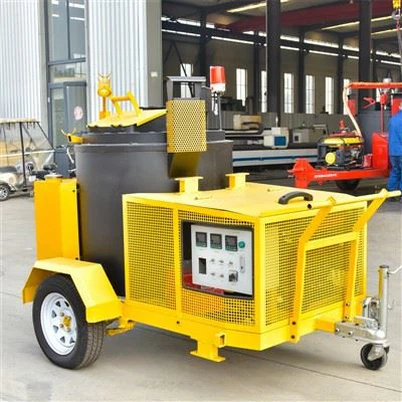
How to troubleshoot a China Road Mend Machine?
Leave a message

As a supplier of China Road Mend Machines, I understand the importance of keeping these machines in optimal working condition. Road mend machines are essential for maintaining the integrity of roads, and any downtime can lead to significant delays in road repair projects. In this blog post, I'll share some effective troubleshooting tips to help you quickly identify and resolve common issues with China Road Mend Machines.
Understanding the Basics of Road Mend Machines
Before diving into troubleshooting, it's crucial to have a basic understanding of how road mend machines work. These machines are designed to repair various types of road damages, such as cracks, potholes, and uneven surfaces. They typically consist of several key components, including a heating system, a pumping system, a control panel, and a spraying or filling mechanism.
The heating system is responsible for melting the asphalt or other repair materials to the appropriate temperature. The pumping system then transfers the melted material from the storage tank to the spraying or filling nozzle. The control panel allows the operator to adjust the temperature, pressure, and flow rate of the repair material. Finally, the spraying or filling mechanism applies the repair material to the damaged area of the road.
Common Issues and Troubleshooting Steps
1. Heating System Problems
- No Heat or Insufficient Heat
- Possible Causes: Faulty heating element, damaged thermostat, or power supply issues.
- Troubleshooting Steps: First, check the power supply to ensure that the machine is properly connected and receiving power. Then, inspect the heating element for any signs of damage, such as burns or breaks. If the heating element appears to be in good condition, test the thermostat using a multimeter to determine if it is functioning correctly. If either the heating element or the thermostat is faulty, replace it with a new one.
- Overheating
- Possible Causes: Malfunctioning thermostat, blocked ventilation, or a faulty temperature sensor.
- Troubleshooting Steps: Check the ventilation system to make sure that there are no obstructions preventing proper airflow. Clean any dust or debris from the ventilation openings. Next, test the thermostat and temperature sensor to ensure that they are accurately measuring and controlling the temperature. If the thermostat or temperature sensor is faulty, replace it.
2. Pumping System Problems
- Low or No Pressure
- Possible Causes: Clogged pump, worn-out pump seals, or a blocked suction line.
- Troubleshooting Steps: Start by checking the suction line for any blockages. Remove any debris or obstructions that may be preventing the pump from drawing in the repair material. If the suction line is clear, inspect the pump for clogs. Disassemble the pump and clean all the components thoroughly. If the pump seals are worn out, replace them with new ones.
- Leaking Pump
- Possible Causes: Damaged pump seals, loose fittings, or cracked pump housing.
- Troubleshooting Steps: Tighten all the fittings to ensure that they are properly secured. If the leakage persists, inspect the pump seals for damage. Replace any worn or damaged seals. If the pump housing is cracked, it may need to be replaced.
3. Control Panel Issues
- Unresponsive Controls
- Possible Causes: Loose connections, damaged control board, or software glitches.
- Troubleshooting Steps: Check all the connections between the control panel and the other components of the machine to make sure they are secure. If the connections are okay, inspect the control board for any signs of damage, such as burnt components or loose wires. If the control board is damaged, it may need to be repaired or replaced. In some cases, a software glitch may be causing the issue. Try resetting the control panel to its default settings or updating the software if available.
- Inaccurate Readings
- Possible Causes: Faulty sensors, calibration issues, or a damaged display.
- Troubleshooting Steps: Test the sensors using a multimeter to ensure that they are providing accurate readings. If a sensor is faulty, replace it. If the sensors are functioning correctly, check the calibration of the control panel. Refer to the machine's manual for instructions on how to calibrate the control panel. If the display is damaged, it may need to be replaced.
4. Spraying or Filling Mechanism Problems
- Uneven Spraying or Filling
- Possible Causes: Clogged nozzle, worn-out spray tip, or improper pressure adjustment.
- Troubleshooting Steps: Remove the nozzle and clean it thoroughly to remove any clogs. If the spray tip is worn out, replace it with a new one. Adjust the pressure settings on the control panel to ensure that the repair material is being applied at the correct pressure.
- No Material Output
- Possible Causes: Blocked nozzle, empty storage tank, or a malfunctioning valve.
- Troubleshooting Steps: Check the storage tank to make sure that it contains an adequate amount of repair material. If the tank is full, inspect the nozzle for blockages. If the nozzle is clear, test the valve to ensure that it is opening and closing properly. If the valve is faulty, replace it.
Preventive Maintenance
Regular preventive maintenance is key to minimizing the occurrence of problems with China Road Mend Machines. Here are some maintenance tips:
- Clean the Machine Regularly: After each use, clean the machine thoroughly to remove any residual repair material. This will prevent clogs and corrosion.
- Inspect and Replace Worn Parts: Regularly inspect all the components of the machine for signs of wear and tear. Replace any worn or damaged parts promptly to avoid more serious problems.
- Lubricate Moving Parts: Lubricate all the moving parts, such as the pump and the joints, according to the manufacturer's recommendations. This will reduce friction and extend the lifespan of the components.
- Follow the Operating Instructions: Always follow the operating instructions provided by the manufacturer. This includes using the correct type and grade of repair material, as well as operating the machine within the specified temperature and pressure ranges.
Conclusion
Troubleshooting China Road Mend Machines requires a basic understanding of how the machines work and a systematic approach to identifying and resolving problems. By following the troubleshooting steps outlined in this blog post and implementing regular preventive maintenance, you can keep your road mend machines in excellent working condition and minimize downtime.


If you are in the market for a reliable Road Mend Machine, we offer a wide range of high - quality machines, including the 120L Asphalt Crack Sealing Machine and the Hand Pushed Seam asphalt sealing machine. Our machines are designed to provide efficient and effective road repair solutions. If you have any questions or are interested in purchasing one of our machines, please feel free to contact us for more information and to start a procurement discussion.
References
- Manufacturer's manuals for China Road Mend Machines
- Industry standards and best practices for road repair equipment maintenance