What are the common problems in road joint filling and how to solve them?
Leave a message

Road joint filling is a crucial aspect of road maintenance, aiming to prevent water infiltration, debris accumulation, and the subsequent deterioration of road surfaces. As a road joint filling supplier, I've witnessed firsthand the common problems that arise during this process and have developed effective solutions to address them. In this blog, I'll delve into these issues and share practical strategies to ensure successful road joint filling projects.
Common Problems in Road Joint Filling
1. Poor Adhesion
One of the most prevalent problems in road joint filling is poor adhesion between the joint filler and the road surface. This can occur due to various factors, including inadequate surface preparation, contamination, or the use of incompatible materials. When the filler fails to adhere properly, it can easily be dislodged by traffic, weather conditions, or other external forces, leaving the joint exposed and vulnerable to damage.
2. Premature Failure
Premature failure of joint fillers is another significant issue in road maintenance. This can manifest as cracking, crumbling, or separation of the filler from the joint, often occurring within a short period after installation. Premature failure can be caused by a variety of factors, such as improper installation techniques, low-quality materials, excessive traffic loads, or exposure to harsh environmental conditions.

3. Inadequate Sealing
Inadequate sealing is a common problem that can compromise the effectiveness of road joint filling. When the joint filler does not completely seal the joint, it allows water, debris, and other contaminants to penetrate the road surface, leading to further damage and deterioration. Inadequate sealing can be caused by improper application techniques, insufficient filler material, or the presence of gaps or voids in the joint.
4. Compatibility Issues
Compatibility issues between the joint filler and the road surface can also pose challenges in road joint filling. Different types of road surfaces, such as asphalt, concrete, or composite materials, require specific types of joint fillers that are compatible with their properties. Using an incompatible filler can result in poor adhesion, premature failure, or other problems that can undermine the integrity of the road surface.
5. Environmental Factors
Environmental factors, such as temperature, humidity, and UV exposure, can have a significant impact on the performance of road joint fillers. Extreme temperatures can cause the filler to expand or contract, leading to cracking or separation from the joint. High humidity levels can also affect the curing process of the filler, resulting in poor adhesion or premature failure. Additionally, UV exposure can cause the filler to degrade over time, reducing its effectiveness and lifespan.
Solutions to Common Road Joint Filling Problems
1. Proper Surface Preparation
Proper surface preparation is essential for ensuring good adhesion between the joint filler and the road surface. Before applying the filler, the joint should be thoroughly cleaned to remove any dirt, debris, or loose material. This can be done using a high-pressure air blower, a wire brush, or a vacuum cleaner. Additionally, the joint should be dried completely to prevent moisture from interfering with the adhesion process.
2. Use of High-Quality Materials
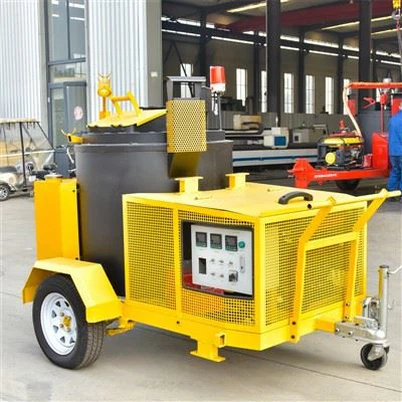
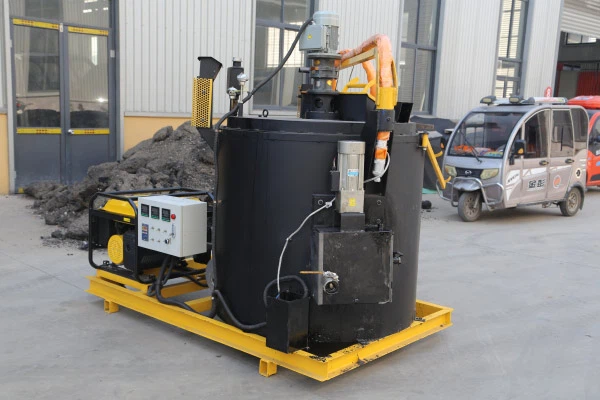
Using high-quality joint fillers is crucial for ensuring the long-term performance of road joint filling. When selecting a filler, it's important to consider factors such as compatibility with the road surface, durability, flexibility, and resistance to environmental factors. At our company, we offer a wide range of high-quality joint fillers that are specifically designed for different types of road surfaces and applications. Our FAGF100 Pavement Sealing Machine and Asphalt Crack Treatment Machine are equipped with advanced technology to ensure precise and efficient application of the filler, resulting in a durable and long-lasting seal.
3. Correct Installation Techniques
Proper installation techniques are essential for ensuring the effectiveness of road joint filling. The filler should be applied at the correct temperature and thickness, following the manufacturer's instructions. It's also important to ensure that the filler is evenly distributed throughout the joint and that there are no gaps or voids. Our Hand Pushed Seam asphalt sealing machine is designed to provide precise control over the application process, allowing for consistent and uniform filling of the joints.
4. Compatibility Testing
Before using a joint filler on a particular road surface, it's important to conduct compatibility testing to ensure that the filler is suitable for the application. Compatibility testing can help identify any potential issues, such as poor adhesion or chemical reactions, before the filler is applied. At our company, we offer compatibility testing services to help our customers select the right filler for their specific needs.
5. Environmental Considerations
To minimize the impact of environmental factors on the performance of road joint fillers, it's important to consider the local climate and weather conditions when planning a joint filling project. For example, in areas with extreme temperatures, it may be necessary to use a filler that is specifically designed to withstand these conditions. Additionally, it's important to schedule the joint filling work during periods of favorable weather conditions to ensure proper curing and adhesion of the filler.
Conclusion
Road joint filling is a critical aspect of road maintenance that requires careful planning, proper installation techniques, and the use of high-quality materials. By addressing the common problems associated with road joint filling and implementing the solutions outlined in this blog, you can ensure the long-term performance and durability of your road surfaces. As a leading road joint filling supplier, we are committed to providing our customers with the highest quality products and services to meet their needs. If you have any questions or would like to discuss your road joint filling project, please don't hesitate to contact us. We look forward to working with you to ensure the success of your project.
References
- ASTM International. (2023). Standard Specification for Hot-Applied Joint Sealants for Concrete Pavements. ASTM D6690-19.
- FHWA. (2022). Guide for the Selection and Use of Joint Sealants in Concrete Pavements. FHWA-HRT-22-049.
- TRB. (2021). National Cooperative Highway Research Program (NCHRP) Report 960: Best Practices for Joint and Crack Sealing in Asphalt Pavements.