What are the advantages of using elastomeric materials for China road joint filling?
Leave a message

In the realm of road construction and maintenance, the selection of appropriate materials for road joint filling is a critical decision that significantly impacts the longevity and performance of roadways. Among the various options available, elastomeric materials have emerged as a preferred choice for China road joint filling. As a leading China road joint filling supplier, I have witnessed firsthand the numerous advantages that elastomeric materials offer in this application. In this blog post, I will delve into the key benefits of using elastomeric materials for road joint filling in China, highlighting their technical superiority and practical advantages.
Superior Elasticity and Flexibility
One of the most significant advantages of elastomeric materials is their exceptional elasticity and flexibility. Unlike rigid materials, elastomeric compounds can stretch and compress without losing their shape or integrity. This property is crucial for road joint filling because roads are constantly subjected to dynamic loads from traffic, temperature variations, and ground movements. Elastomeric materials can accommodate these movements effectively, preventing the formation of cracks and gaps in the joints.
For instance, during hot summer days, the asphalt pavement expands, and the joints need to compress to avoid buckling. Conversely, in cold winter months, the pavement contracts, and the joints must stretch to prevent cracking. Elastomeric materials can adapt to these seasonal changes, maintaining a tight seal and preventing water, debris, and chemicals from penetrating the joint and causing damage to the underlying structure. This ability to withstand repeated cycles of expansion and contraction significantly extends the service life of the road joints, reducing the need for frequent repairs and maintenance.

Excellent Adhesion and Sealing Properties
Elastomeric materials exhibit excellent adhesion to a variety of substrates, including concrete, asphalt, and metal. This strong bond ensures a reliable seal at the joint, preventing the ingress of water, which is one of the primary causes of road deterioration. Water penetration can lead to the erosion of the subgrade, the formation of potholes, and the weakening of the pavement structure. By creating a watertight seal, elastomeric joint fillers protect the road from these water-related damages, enhancing its durability and safety.
Moreover, the sealing properties of elastomeric materials also prevent the intrusion of air and oxygen, which can cause oxidation and aging of the asphalt pavement. This helps to maintain the integrity of the pavement surface, reducing the risk of cracking and raveling. The superior adhesion and sealing capabilities of elastomeric materials make them an ideal choice for road joint filling, providing long-term protection against environmental factors and traffic loads.
Resistance to Chemicals and Weathering
Roads are exposed to a wide range of chemicals, including deicing salts, fuels, and lubricants, as well as harsh weather conditions such as UV radiation, rain, and snow. Elastomeric materials are highly resistant to these chemicals and environmental factors, ensuring their long-term performance and durability.
For example, deicing salts used in winter to melt snow and ice can be highly corrosive to road materials. Elastomeric joint fillers can resist the chemical attack of these salts, preventing them from degrading the joint and causing damage to the pavement. Additionally, elastomeric materials are resistant to UV radiation, which can cause embrittlement and cracking of some materials over time. This resistance to weathering ensures that the joint fillers maintain their physical properties and performance even after prolonged exposure to sunlight and other environmental elements.
Ease of Installation
Another advantage of using elastomeric materials for road joint filling is their ease of installation. Elastomeric joint fillers are typically available in a variety of forms, including pre-formed strips, hot-applied sealants, and cold-applied sealants. These different forms allow for flexibility in installation, depending on the specific requirements of the project.
Pre-formed strips are easy to handle and can be quickly installed in the joints, reducing the installation time and labor costs. Hot-applied sealants are heated to a specific temperature and then poured into the joints, where they bond to the substrate as they cool. Cold-applied sealants, on the other hand, can be applied at ambient temperatures without the need for heating equipment, making them suitable for small-scale projects or areas where heating is not practical. The ease of installation of elastomeric materials makes them a convenient and cost-effective solution for road joint filling.
Cost-Effectiveness
While the initial cost of elastomeric materials may be higher than some other joint filling materials, their long-term cost-effectiveness is undeniable. The extended service life of road joints filled with elastomeric materials reduces the frequency of repairs and maintenance, resulting in significant cost savings over the life of the road. Additionally, the reduced need for road closures and traffic disruptions during repairs also minimizes the economic impact on the community.
Moreover, the superior performance of elastomeric materials in protecting the road from water damage, chemical attack, and weathering helps to preserve the integrity of the pavement structure, reducing the overall cost of road rehabilitation. By investing in high-quality elastomeric joint fillers, road authorities and contractors can achieve long-term savings and ensure the sustainable development of the transportation infrastructure.
Compatibility with Road Joint Filling Machines
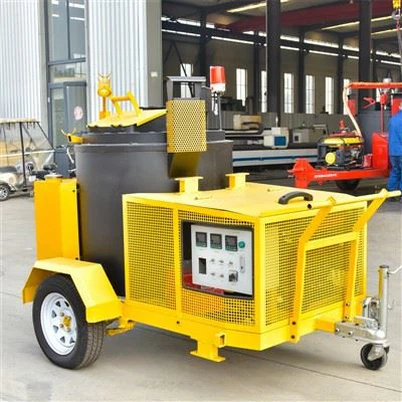
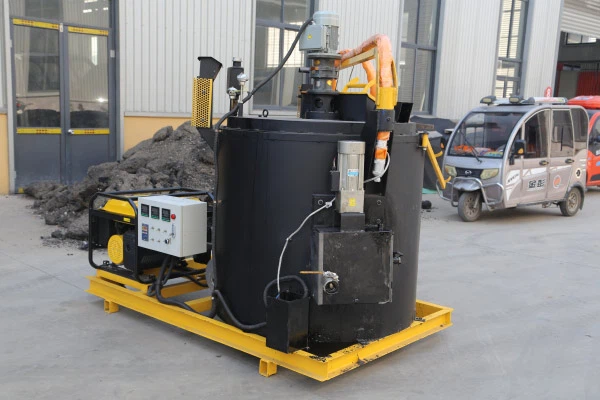
As a China road joint filling supplier, I understand the importance of compatibility between the joint filling materials and the equipment used for installation. Elastomeric materials are highly compatible with a wide range of road joint filling machines, such as the 120L Asphalt Crack Sealing Machine, FAGF100 Pavement Sealing Machine, and Joint Filling Machine. These machines are designed to handle elastomeric materials efficiently, ensuring a uniform and consistent application of the joint filler.
The compatibility between elastomeric materials and road joint filling machines not only improves the installation quality but also enhances the productivity of the construction process. With the right combination of materials and equipment, contractors can complete road joint filling projects more quickly and effectively, reducing the overall project time and cost.
Conclusion
In conclusion, the advantages of using elastomeric materials for China road joint filling are numerous and significant. Their superior elasticity, excellent adhesion and sealing properties, resistance to chemicals and weathering, ease of installation, cost-effectiveness, and compatibility with road joint filling machines make them an ideal choice for road construction and maintenance. As a China road joint filling supplier, I am committed to providing high-quality elastomeric joint fillers that meet the strict requirements of the transportation industry.
If you are interested in learning more about our elastomeric road joint filling materials or would like to discuss your specific project requirements, please feel free to contact us. We look forward to the opportunity to work with you and contribute to the development of high-quality road infrastructure in China.
References
- ASTM International. (20XX). Standard Specification for Elastomeric Joint Sealants for Concrete Pavements. ASTM DXXXX.
- FHWA. (20XX). Guide for Sealing and Filling Joints and Cracks in Asphalt Pavements. Federal Highway Administration.
- IRC. (20XX). Indian Roads Congress Guidelines for Road Joint Filling. Indian Roads Congress.