Can road joint filling be used on all types of roads?
Leave a message

Road joint filling is a crucial aspect of road maintenance that helps to preserve the integrity and longevity of road surfaces. As a supplier of road joint filling materials and equipment, I often get asked whether road joint filling can be used on all types of roads. In this blog post, I will explore this question in detail and provide insights based on my experience in the industry.
Understanding Road Joint Filling
Before delving into the applicability of road joint filling on different types of roads, it's essential to understand what road joint filling is and why it's important. Road joints are intentional gaps left in the road surface during construction to accommodate thermal expansion and contraction, as well as to prevent cracking and damage to the road. Over time, these joints can become filled with debris, water, and other contaminants, which can lead to deterioration of the road surface.
Road joint filling involves the use of specialized materials to seal these joints, preventing the ingress of water, debris, and other harmful substances. This helps to maintain the structural integrity of the road, reduce the risk of cracking and potholes, and extend the lifespan of the road surface.

Types of Roads
There are several types of roads, each with its own unique characteristics and requirements. The most common types of roads include:
Concrete Roads
Concrete roads are made of Portland cement concrete and are known for their durability and long lifespan. They are commonly used in high-traffic areas such as highways, airports, and industrial areas. Concrete roads have expansion joints and contraction joints that need to be filled to prevent water infiltration and damage to the road surface.
Asphalt Roads
Asphalt roads are made of a mixture of asphalt binder and aggregate and are widely used for their smooth ride and relatively low cost. They are commonly used in residential areas, local roads, and parking lots. Asphalt roads also have joints that need to be filled to prevent water penetration and the formation of cracks.
Brick or Block Paved Roads
Brick or block paved roads are made of individual bricks or blocks laid in a pattern on a base. They are often used in decorative applications, such as in historic districts or pedestrian areas. These roads have joints between the bricks or blocks that need to be filled to prevent movement and damage.
Gravel Roads
Gravel roads are made of loose gravel or crushed stone and are commonly used in rural areas or low-traffic roads. While gravel roads do not have traditional joints like concrete or asphalt roads, they may have areas where the gravel has shifted or eroded, creating gaps that need to be filled.
Can Road Joint Filling Be Used on All Types of Roads?
The short answer is yes, road joint filling can be used on all types of roads. However, the type of joint filling material and the application method may vary depending on the type of road and its specific requirements.
Concrete Roads
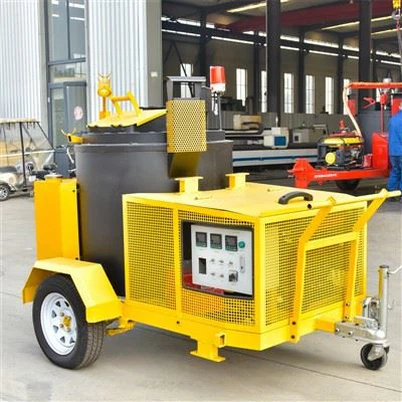
For concrete roads, joint filling materials such as silicone, polyurethane, and hot-pour rubber are commonly used. These materials are flexible and can withstand the movement of the concrete due to thermal expansion and contraction. The joint filling process typically involves cleaning the joints, applying a primer, and then filling the joints with the selected material using a Joint Filling Machine.
Asphalt Roads
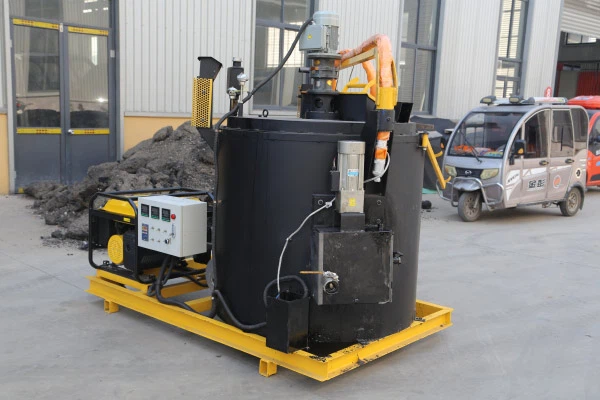
Asphalt roads can be filled with similar materials as concrete roads, although some asphalt-specific joint fillers are also available. These fillers are designed to bond well with the asphalt surface and provide long-lasting protection. The application process for asphalt roads may involve heating the joint filler to a specific temperature and then pouring it into the joints using a Traction Grouting Machine.
Brick or Block Paved Roads
For brick or block paved roads, joint filling materials such as sand, polymeric sand, or epoxy grout can be used. Sand is a traditional option that provides basic stability, while polymeric sand contains additives that help to bind the sand particles together and prevent erosion. Epoxy grout is a more durable option that provides a strong bond and resistance to staining and damage. The joint filling process for brick or block paved roads typically involves sweeping the sand or grout into the joints and then compacting it.
Gravel Roads
While gravel roads do not have traditional joints, they may require filling in areas where the gravel has eroded or shifted. In these cases, additional gravel or crushed stone can be added to fill the gaps and restore the surface. In some cases, a stabilizing agent may also be used to help hold the gravel in place.
Factors to Consider
When determining the suitability of road joint filling for a particular road, several factors need to be considered:
Traffic Volume
High-traffic roads require more durable joint filling materials that can withstand the constant stress and movement caused by vehicles. Low-traffic roads may be able to use less expensive or less durable joint filling materials.
Climate
The climate in which the road is located can also affect the choice of joint filling material. In areas with extreme temperature variations, flexible joint filling materials that can expand and contract with the temperature changes are necessary. In areas with high rainfall or snowfall, water-resistant joint filling materials are essential.
Road Age and Condition
The age and condition of the road can also influence the joint filling process. Older roads may have more extensive damage or deterioration, requiring more extensive repairs or the use of specialized joint filling materials.
Benefits of Road Joint Filling
Regardless of the type of road, road joint filling offers several benefits:
Prevents Water Infiltration
One of the primary benefits of road joint filling is that it prevents water from seeping into the joints and causing damage to the road surface. Water infiltration can lead to the formation of cracks, potholes, and other structural problems.
Reduces Maintenance Costs
By preventing water damage and other forms of deterioration, road joint filling can significantly reduce the need for costly repairs and maintenance. This can save money in the long run and extend the lifespan of the road.
Improves Safety
Well-maintained roads with properly filled joints are safer for drivers and pedestrians. Filling joints helps to prevent the formation of uneven surfaces or tripping hazards, reducing the risk of accidents.
Enhances Aesthetics
Road joint filling can also improve the appearance of the road. Filling joints gives the road a more finished and professional look, which can enhance the overall aesthetic of the area.
Our Road Joint Filling Solutions
As a supplier of road joint filling materials and equipment, we offer a wide range of products to meet the needs of different types of roads. Our Joint Filling Machine is designed for efficient and precise joint filling, while our Traction Grouting Machine is ideal for asphalt road applications. We also offer the FAGF100 Pavement Sealing Machine, which is suitable for various pavement sealing tasks.
Our joint filling materials are of high quality and are designed to provide long-lasting protection for roads. We offer a variety of materials, including silicone, polyurethane, and hot-pour rubber, to suit different road types and environmental conditions.
Contact Us for Road Joint Filling Solutions
If you are in need of road joint filling materials or equipment, we would be happy to assist you. Our team of experts can provide you with professional advice and guidance on the best solutions for your specific needs. Whether you have a concrete road, an asphalt road, or any other type of road, we have the products and expertise to help you keep your roads in top condition.
Don't hesitate to contact us to discuss your road joint filling requirements and explore our products. We look forward to working with you to ensure the longevity and safety of your roads.
References
- American Concrete Pavement Association. (n.d.). Joint Filling and Sealing. Retrieved from [Website URL]
- Asphalt Institute. (n.d.). Asphalt Pavement Maintenance. Retrieved from [Website URL]
- Federal Highway Administration. (n.d.). Roadway Maintenance and Rehabilitation. Retrieved from [Website URL]