Is it necessary to clean the road joints before filling?
Leave a message

Is it necessary to clean the road joints before filling? This is a question that often arises in the road maintenance industry. As a road joint filling supplier, I have seen firsthand the impact of proper joint cleaning on the effectiveness and longevity of road joint filling. In this blog post, I will explore the importance of cleaning road joints before filling and why it is a crucial step in the road maintenance process.
The Importance of Road Joint Filling
Road joints are an essential part of any paved surface. They allow for the expansion and contraction of the pavement due to temperature changes, preventing cracks and other damage. However, over time, these joints can become filled with dirt, debris, and other contaminants, which can compromise their integrity and lead to premature failure.
Filling road joints with a high-quality sealant is an effective way to prevent water infiltration, reduce the risk of cracking, and extend the lifespan of the pavement. By creating a barrier between the joint and the environment, a properly installed sealant can protect the underlying structure of the road and prevent costly repairs down the line.
The Role of Cleaning in Road Joint Filling
Cleaning the road joints before filling is a critical step in the process. It ensures that the sealant adheres properly to the joint surfaces, creating a strong and durable bond. Here are some of the key reasons why cleaning is necessary:
- Improved Adhesion: Dirt, dust, and debris can prevent the sealant from bonding effectively to the joint surfaces. By removing these contaminants, the sealant can make direct contact with the pavement, resulting in a stronger and more reliable seal.
- Enhanced Performance: A clean joint provides a better surface for the sealant to flow into, ensuring that it fills the entire joint and provides complete coverage. This helps to prevent water infiltration and reduces the risk of cracks and other damage.
- Longer Lifespan: Properly cleaned joints allow the sealant to perform at its best, which can extend the lifespan of the road joint filling. This means fewer repairs and maintenance over time, saving both time and money.
- Compliance with Standards: Many road maintenance specifications require that joints be cleaned before filling to ensure the quality and performance of the sealant. By following these standards, you can ensure that your road joint filling meets the necessary requirements.
Methods of Cleaning Road Joints
There are several methods available for cleaning road joints, each with its own advantages and disadvantages. The choice of method will depend on factors such as the type of joint, the amount of debris, and the available equipment. Here are some of the most common methods:
- Blowing: This method involves using compressed air to blow out dirt, dust, and other loose debris from the joint. It is a quick and effective way to remove surface contaminants, but it may not be sufficient for removing stubborn or deeply embedded debris.
- Sweeping: Sweeping the joint with a broom or a mechanical sweeper can help to remove larger debris and loose dirt. This method is often used in conjunction with blowing to ensure a thorough cleaning.
- Vacuuming: Vacuuming the joint can be an effective way to remove fine dust and debris that may not be easily removed by blowing or sweeping. It is particularly useful for cleaning joints in areas where there is a high volume of traffic or where the debris is difficult to access.
- Pressure Washing: Pressure washing can be used to remove stubborn dirt, grease, and other contaminants from the joint surfaces. However, it should be used with caution, as excessive pressure can damage the pavement and the joint edges.
- Chemical Cleaning: In some cases, chemical cleaners may be used to remove oil, grease, and other stubborn contaminants from the joint surfaces. However, these cleaners should be used according to the manufacturer's instructions and with proper safety precautions.
Our Road Joint Filling Equipment
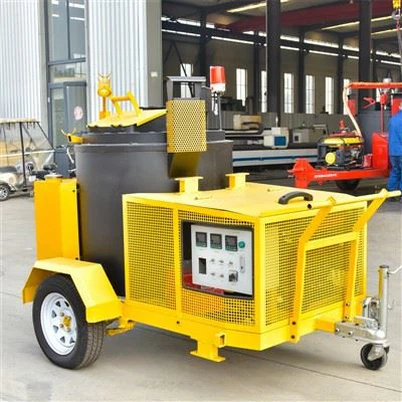
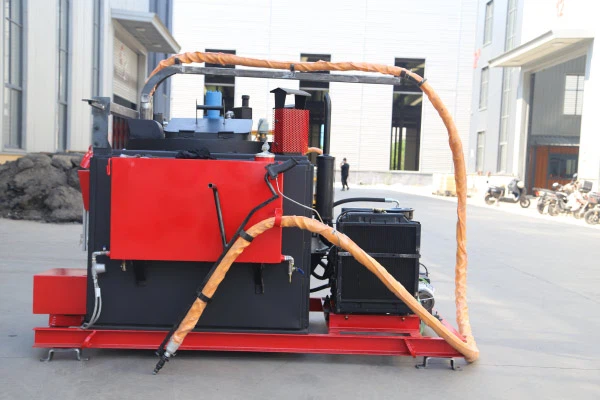
As a road joint filling supplier, we offer a range of high-quality equipment to help you clean and fill road joints effectively. Our products include:
- Electric Sealing Machine: This machine is designed for small to medium-sized road joint filling projects. It is easy to operate and provides a consistent and reliable seal.
- Hand Pushed Seam asphalt sealing machine: Ideal for narrow joints and hard-to-reach areas, this machine allows for precise application of the sealant.
- 650L Traction Grouting Truck: This large-capacity truck is suitable for large-scale road joint filling projects. It offers high efficiency and can cover a large area in a short time.
Conclusion
In conclusion, cleaning the road joints before filling is a necessary step in the road maintenance process. It ensures that the sealant adheres properly to the joint surfaces, improves the performance and longevity of the road joint filling, and helps to prevent costly repairs down the line. By using the right cleaning methods and equipment, you can achieve a high-quality and durable seal that will protect your roads for years to come.

If you are in need of road joint filling products or equipment, or if you have any questions about the road joint filling process, please do not hesitate to contact us. We are here to help you find the best solutions for your road maintenance needs.
References
- ASTM D6690 - Standard Practice for Sealing Joints and Cracks in Asphalt Pavements
- FHWA - Federal Highway Administration - Roadway Maintenance Manual
- AASHTO - American Association of State Highway and Transportation Officials - Guide for Design, Construction, and Maintenance of Pavement Markings and Joint Seals