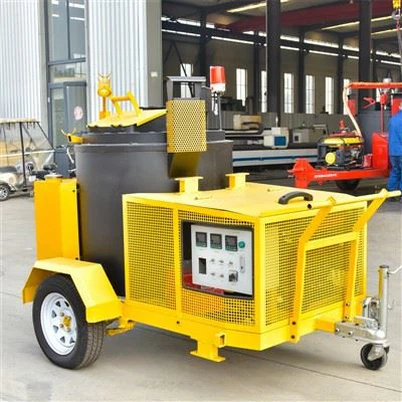
How does the dust affect the performance of China Road Repair Vehicles?
Leave a message

Hey there! As a supplier of China Road Repair Vehicles, I've seen firsthand how various factors can impact the performance of these machines. One of the most underestimated yet significant factors is dust. In this blog, I'll dive into how dust affects the performance of China Road Repair Vehicles and why it's crucial for us to pay attention to it.
How Dust Gets Involved with Road Repair Vehicles
First off, let's talk about where the dust comes from. When we're out on the roads doing repair work, there's a ton of dust generated. Construction sites, unpaved roads, and even the process of breaking up old asphalt can all kick up a huge amount of dust. And this dust doesn't just stay in one place; it spreads around and finds its way onto our road repair vehicles.
Impact on Engine Performance
The engine is the heart of any road repair vehicle. Dust can cause some serious problems here. When dust particles are sucked into the engine's air intake system, they can act like tiny abrasives. Over time, these particles can wear down the engine's internal components, such as the pistons, cylinders, and valves. This wear and tear can lead to decreased engine efficiency, reduced power output, and even engine failure if left unchecked.
For example, if the air filter gets clogged with dust, it restricts the airflow into the engine. This means the engine can't get enough oxygen to burn the fuel properly, resulting in poor combustion. As a result, the vehicle may experience rough idling, decreased acceleration, and increased fuel consumption. And let's face it, nobody wants to deal with higher fuel costs and a less powerful vehicle on the job site.
Effects on Hydraulic Systems
Many road repair vehicles rely on hydraulic systems to operate various functions, like lifting heavy equipment, moving parts, and controlling the flow of materials. Dust can be a real headache for these systems. When dust enters the hydraulic fluid, it can contaminate the fluid and cause damage to the hydraulic components.
The dust particles can scratch the surfaces of hydraulic cylinders, valves, and pumps, leading to leaks and reduced performance. A small leak in the hydraulic system may not seem like a big deal at first, but it can quickly escalate into a major problem. It can cause the vehicle to lose power, make it difficult to control the equipment, and even pose a safety hazard.
Influence on Electrical Systems
Dust can also have a negative impact on the electrical systems of road repair vehicles. Electrical components, such as sensors, connectors, and circuit boards, are sensitive to dust. When dust accumulates on these components, it can create a layer of insulation that interferes with the electrical conductivity.
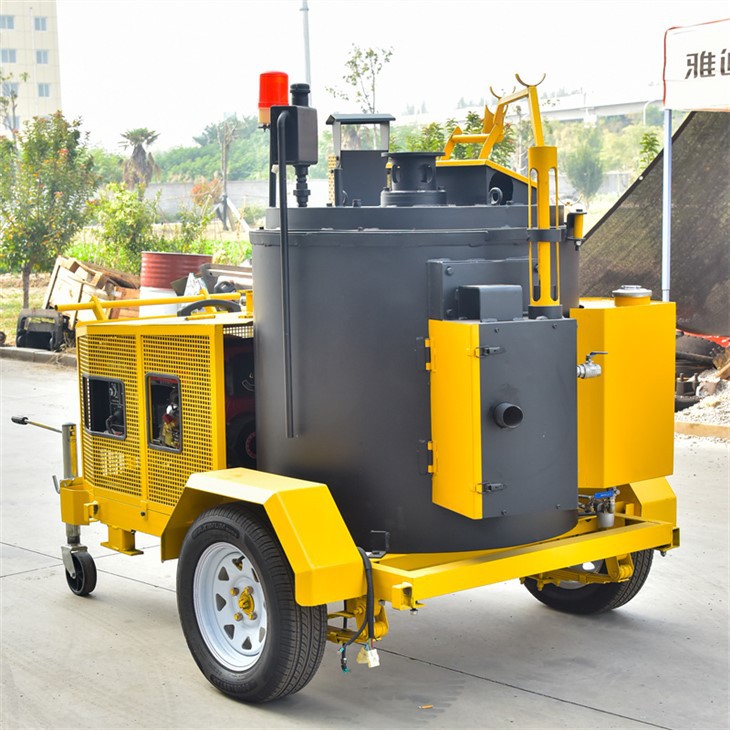

This can lead to erratic behavior of the vehicle's electrical systems, such as malfunctioning sensors, intermittent power loss, and issues with the vehicle's control systems. Imagine being in the middle of a road repair job and having your vehicle's electrical system act up. It can be extremely frustrating and can significantly delay the repair work.
Impact on Operator Comfort and Safety
It's not just the vehicle's performance that's affected by dust. The operator's comfort and safety are also at stake. When there's a lot of dust in the air, it can make the working environment unpleasant for the operator. Dust can get into the operator's eyes, nose, and lungs, causing irritation, respiratory problems, and even long-term health issues.
Moreover, poor visibility due to dust can increase the risk of accidents on the job site. The operator may have difficulty seeing other vehicles, pedestrians, or obstacles, which can lead to collisions and injuries. So, it's not only about keeping the vehicle in good working condition but also about ensuring the well-being of the people operating it.
Solutions to Mitigate the Effects of Dust
Now that we understand how dust can affect the performance of China Road Repair Vehicles, let's talk about some solutions. One of the most effective ways to reduce the impact of dust is to use proper filtration systems. Make sure the air filters on the engine are high-quality and are replaced regularly. This will help prevent dust from entering the engine and causing damage.
For hydraulic systems, use high-quality hydraulic filters and change them according to the manufacturer's recommendations. This will help keep the hydraulic fluid clean and free of dust particles. Additionally, keep the hydraulic reservoir covered to prevent dust from getting in.
When it comes to electrical systems, regular cleaning and inspection are essential. Use compressed air to blow dust off the electrical components and check for any signs of damage or corrosion. You can also use protective covers or enclosures to shield the electrical components from dust.
Another important solution is to keep the work area clean. Use water sprays or dust suppression systems to reduce the amount of dust in the air. This will not only protect the vehicles but also create a safer and more comfortable working environment for the operators.
Our China Road Repair Vehicles and Dust Resistance
At our company, we take the issue of dust seriously. Our Road Comprehensive Maintenance Vehicle is designed with advanced filtration systems to minimize the impact of dust on the engine and other components. The air intake system is equipped with high-efficiency air filters that can trap even the smallest dust particles, ensuring that the engine gets clean air and operates at its best.
Our Highway Maintenance Car also features a well-sealed hydraulic system with high-quality filters. This helps prevent dust from entering the hydraulic fluid and keeps the system running smoothly. And for our Asphalt Recycling and Maintenance Vehicle 2000L, we've taken extra precautions to protect the electrical components from dust. The electrical panels are enclosed and have dust-proof seals to ensure reliable operation.
Conclusion
In conclusion, dust can have a significant impact on the performance of China Road Repair Vehicles. It can affect the engine, hydraulic systems, electrical systems, and even the operator's comfort and safety. However, by understanding these effects and taking appropriate measures to mitigate them, we can ensure that our vehicles perform at their best and last longer.
If you're in the market for high-quality road repair vehicles that are designed to withstand the challenges of dust and other environmental factors, look no further. We're here to provide you with the best solutions for your road repair needs. Whether you need a Road Comprehensive Maintenance Vehicle, a Highway Maintenance Car, or an Asphalt Recycling and Maintenance Vehicle 2000L, we've got you covered.
Don't hesitate to reach out to us for more information or to discuss your specific requirements. We're always happy to help and look forward to the opportunity to work with you. Let's get those roads in top shape together!
References
- "Maintenance and Troubleshooting of Road Repair Vehicles" - A technical guide on vehicle maintenance.
- "The Impact of Environmental Factors on Heavy Equipment Performance" - A research paper on how dust and other factors affect vehicle performance.