How to prevent the cracking of road joint filling during the curing process?
Leave a message

As a seasoned provider of road joint filling materials and equipment, I've witnessed firsthand the challenges that come with preventing the cracking of road joint filling during the curing process. Cracking can compromise the integrity of the road surface, leading to costly repairs and safety hazards. In this blog post, I'll share some practical tips and strategies to help you avoid this common issue and ensure the long - term performance of your road joint filling projects.
Understanding the Curing Process
Before delving into prevention methods, it's essential to understand the curing process of road joint filling materials. Curing is a chemical reaction that transforms the joint filling material from a liquid or semi - liquid state to a solid, durable form. This process is influenced by several factors, including temperature, humidity, and the type of joint filling material used.
Selecting the Right Joint Filling Material
One of the most critical steps in preventing cracking is choosing the appropriate joint filling material for the specific project requirements. Different materials have different properties, such as flexibility, adhesion, and resistance to temperature changes. For example, silicone - based joint fillers are known for their excellent flexibility and weather resistance, making them suitable for areas with significant temperature variations. On the other hand, polyurethane - based fillers offer high adhesion and durability, which is ideal for high - traffic roads.
As a supplier, I recommend conducting a thorough analysis of the project site, including the climate, traffic volume, and expected load. This will help you determine the most suitable joint filling material. Additionally, always source your materials from reputable manufacturers to ensure quality and consistency.
Proper Surface Preparation
The surface where the joint filling material is applied plays a crucial role in preventing cracking. A dirty, uneven, or damp surface can prevent the joint filler from adhering properly, leading to cracking. Therefore, it's essential to prepare the surface thoroughly before application.
First, clean the joint thoroughly to remove any dirt, debris, or loose materials. You can use a wire brush, compressed air, or a high - pressure washer for this purpose. Next, ensure that the joint is dry. If the joint is wet, it can cause the joint filling material to foam or not cure correctly. In cases where the joint is damp, you may need to use a dehumidifier or wait for the weather conditions to improve.
Controlling Application Temperature
Temperature has a significant impact on the curing process of road joint filling materials. Most joint fillers have a recommended application temperature range, and deviating from this range can lead to cracking.
During hot weather, the joint filling material may cure too quickly, causing it to shrink and crack. To counter this, try to apply the material during the cooler parts of the day, such as early morning or late evening. You can also use shading devices to protect the freshly applied joint filler from direct sunlight.
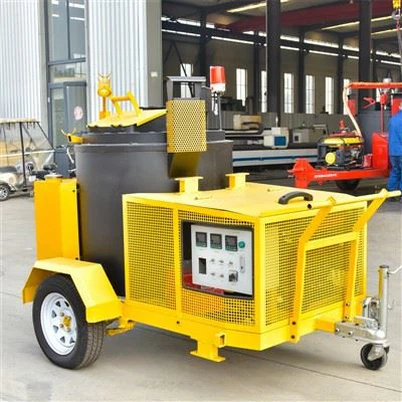
In cold weather, the curing process may be slowed down, and the material may not achieve its full strength. In such cases, you can use heaters or heated equipment to maintain the appropriate temperature. For example, our Traction Grouting Machine can be equipped with heating elements to ensure the joint filling material is at the right temperature during application.
Using the Right Equipment
The equipment used for applying the joint filling material can also affect the quality of the application and the prevention of cracking. Using high - quality, well - maintained equipment is essential.
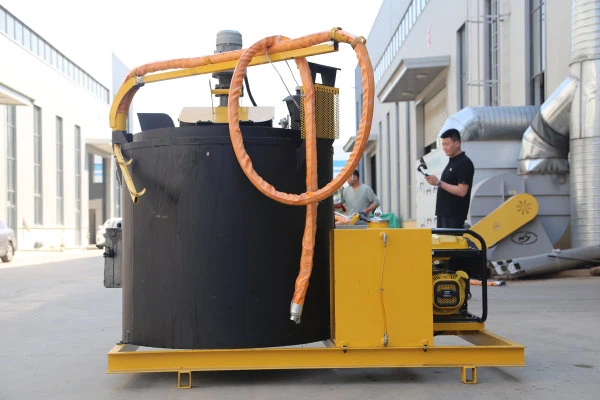
For large - scale projects, a 500L Traction Grouting Truck can be a great choice. It allows for efficient and uniform application of the joint filling material over a large area. For smaller projects or more precise work, an Asphalt Crack Sealing Machine can provide the accuracy needed to fill joints effectively.
Regularly maintain your equipment to ensure it functions correctly. This includes cleaning the equipment after each use, checking for any signs of wear and tear, and replacing any damaged parts.
Applying the Correct Amount of Material
Applying too much or too little joint filling material can lead to cracking. If too much material is applied, it may overflow and create uneven surfaces, which can cause stress points and cracking. On the other hand, if too little material is used, the joint may not be fully filled, leaving gaps that can allow water and debris to enter, leading to further damage.

Follow the manufacturer's recommendations regarding the amount of material to use based on the size and depth of the joint. Use measuring tools, such as a ruler or a depth gauge, to ensure accurate application.
Protecting the Joint During Curing
Once the joint filling material is applied, it's important to protect it during the curing process. Avoid any traffic or heavy loads on the newly filled joints until the material has fully cured. This can prevent the joint filler from being displaced or damaged, which can lead to cracking.
You can use barricades or warning signs to restrict access to the area. Additionally, protect the joints from extreme weather conditions, such as heavy rain or strong winds, which can affect the curing process.
Monitoring and Quality Control
Regular monitoring of the joint filling during the curing process is essential. Check for any signs of cracking, shrinking, or other defects. If you notice any issues early on, you can take corrective measures, such as reapplying the joint filling material or adjusting the curing conditions.
Implement a quality control system to ensure that all aspects of the joint filling process meet the required standards. This includes checking the surface preparation, material application, and curing conditions.
Conclusion
Preventing the cracking of road joint filling during the curing process requires a combination of careful planning, proper material selection, correct application techniques, and adequate protection. By following the tips and strategies outlined in this blog post, you can significantly reduce the risk of cracking and ensure the long - term performance of your road joint filling projects.
As a leading supplier of road joint filling materials and equipment, we are committed to providing high - quality products and expert advice to our customers. If you have any questions or need assistance with your road joint filling projects, please feel free to contact us for a consultation. We look forward to working with you to achieve the best results for your road infrastructure.
References
- Smith, J. (2018). Road Maintenance and Rehabilitation. Elsevier.
- American Association of State Highway and Transportation Officials (AASHTO). (2020). Standard Specifications for Transportation Materials and Methods of Sampling and Testing.
- Federal Highway Administration (FHWA). (2019). Guide for Design, Construction, and Maintenance of Concrete Pavement Joints.