How does road joint filling prevent water penetration?
Leave a message

Road joint filling plays a crucial role in maintaining the integrity and longevity of road surfaces. One of the primary functions of road joint filling is to prevent water penetration, which can cause significant damage to the underlying structure of the road. In this blog, I will delve into the science behind how road joint filling prevents water penetration, and as a road joint filling supplier, I'll also touch on the equipment we offer to achieve effective joint filling.
The Problem of Water Penetration in Roads
Water is one of the most damaging elements to road infrastructure. When water penetrates through the joints in a road surface, it can lead to a variety of issues. Firstly, water can seep into the sub - base layer of the road. Freezing and thawing cycles can cause the water in the sub - base to expand, leading to frost heave. Frost heave can cause the road surface to crack, buckle, and become uneven, posing a safety hazard to drivers.
Secondly, water can carry chemicals and contaminants, such as de - icing salts used in winter. These chemicals can accelerate the corrosion of the road's reinforcement bars and weaken the overall structure of the road. Additionally, water can erode the soil beneath the road, causing settlement and further damage to the road surface.
How Road Joint Filling Prevents Water Penetration
Creating a Physical Barrier
The most straightforward way road joint filling prevents water penetration is by creating a physical barrier. High - quality joint fillers are designed to fill the gaps between concrete slabs or asphalt sections of the road. These fillers are typically made of materials like polyurethane, silicone, or asphalt - based compounds.
Polyurethane joint fillers, for example, have excellent adhesion properties. They can bond tightly to the edges of the road joints, preventing water from seeping through the gaps. Once applied, the polyurethane forms a continuous, flexible seal that can withstand the movement of the road surface due to temperature changes and traffic loads.
Silicone joint fillers are known for their weather resistance and flexibility. They can expand and contract with the road surface without losing their sealing ability. This flexibility ensures that the seal remains intact even when the road joints experience minor shifts, effectively keeping water out.
Hydrophobic Properties
Many road joint fillers also have hydrophobic properties. Hydrophobic materials repel water, making it difficult for water to adhere to the surface of the joint filler. This property is particularly important in preventing water from pooling on the joint and eventually seeping through.
Asphalt - based joint fillers often have inherent hydrophobic characteristics. The asphalt in the filler acts as a natural water - repellent, reducing the likelihood of water penetration. When water comes into contact with the asphalt - filled joint, it beads up and runs off the surface, rather than being absorbed into the joint.
Resistance to Chemicals and Abrasion
In addition to preventing water penetration, road joint fillers need to be resistant to chemicals and abrasion. As mentioned earlier, water can carry chemicals that can damage the joint filler. A good joint filler should be able to withstand exposure to de - icing salts, oils, and other contaminants commonly found on roads.


Moreover, the joint filler is constantly subjected to abrasion from traffic. Tires moving over the joints can wear down the filler over time. By using a joint filler with high abrasion resistance, the integrity of the seal is maintained for a longer period, ensuring continuous protection against water penetration.
Our Road Joint Filling Equipment
As a road joint filling supplier, we offer a range of equipment to ensure efficient and effective joint filling.
The Concrete Grouting Machine is a versatile tool for filling joints in concrete roads. It can accurately dispense the joint filler into the joints, ensuring a consistent and uniform application. This machine is designed to handle different types of joint fillers, including polyurethane and cement - based grouts.
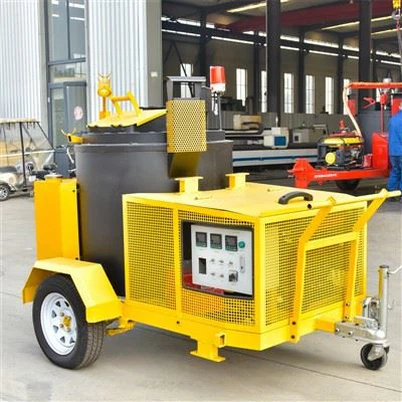
The 120L Asphalt Crack Sealing Machine is ideal for smaller - scale road joint filling projects. It can heat and pump asphalt - based joint fillers, allowing for quick and easy application. The 120 - liter capacity provides enough filler for a significant amount of joint filling work without the need for frequent refilling.
For larger road construction and maintenance projects, our 800L Self - propelled Seam sealing Truck is the perfect solution. This self - propelled truck can carry a large volume of joint filler and is equipped with advanced dispensing systems. It can cover long stretches of road joints efficiently, reducing labor costs and project time.
Conclusion
Preventing water penetration is essential for the long - term health of road infrastructure. Road joint filling is a critical measure in achieving this goal. By creating a physical barrier, having hydrophobic properties, and being resistant to chemicals and abrasion, high - quality joint fillers can effectively protect roads from the damaging effects of water.
As a road joint filling supplier, we are committed to providing the best products and equipment to ensure successful road joint filling projects. If you are involved in road construction or maintenance and are looking for reliable road joint filling solutions, we encourage you to contact us for a detailed discussion. Our team of experts can help you choose the right joint filler and equipment for your specific needs.
References
- "Pavement Joint Sealants: A Review of Materials and Performance" by X. Li, et al.
- "The Role of Joint Fillers in Preventing Water Ingress in Concrete Pavements" by R. Smith.
- "Design and Construction of Road Joints" by the American Association of State Highway and Transportation Officials (AASHTO).