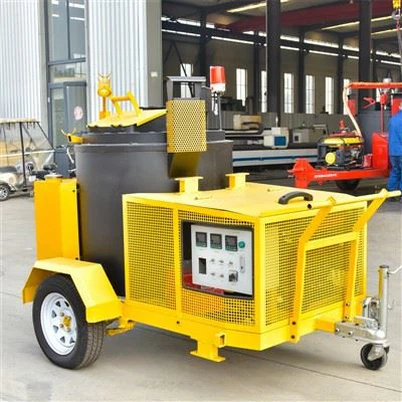
How often should a road repair vehicle be serviced?
Leave a message

As a trusted provider of road repair vehicles, I understand the critical role these machines play in maintaining our transportation infrastructure. One of the most frequently asked questions from our customers is about the ideal servicing frequency for road repair vehicles. In this blog, I'll delve into the factors that influence servicing intervals and provide some guidelines to help you keep your road repair vehicles in top - notch condition.
Factors Affecting Servicing Frequency
Usage Intensity
The amount of use a road repair vehicle gets is a primary determinant of how often it needs servicing. Vehicles that are in constant operation, perhaps working on large - scale road projects with long hours each day, will require more frequent servicing compared to those used sporadically for smaller, occasional jobs. For instance, a road repair vehicle used for daily pothole filling on a busy urban street will experience more wear and tear on its engine, hydraulic systems, and tires than one used once a week for minor crack sealing on a rural road.
Operating Conditions
The environment in which the road repair vehicle operates also has a significant impact on servicing needs. If the vehicle is frequently used in harsh conditions such as extreme heat, cold, or dusty environments, it will need more attention. In hot climates, the engine and cooling systems are under greater stress, and fluids may evaporate more quickly. In cold weather, the battery, fuel system, and lubricants need to be carefully monitored. Dusty conditions can clog air filters and damage moving parts, leading to premature wear.
Vehicle Age and Model
Newer road repair vehicles often come with advanced technologies and better - engineered components that may require less frequent servicing initially. However, as a vehicle ages, its parts naturally wear out, and the risk of breakdowns increases. Older models may also have less efficient systems, which can lead to more frequent issues. Additionally, different models have different design features and maintenance requirements. Some vehicles may have more accessible components, making servicing easier and potentially allowing for longer intervals between major services.
General Servicing Guidelines
Daily Checks
Before each use, a basic daily check should be performed on the road repair vehicle. This includes inspecting the tires for proper inflation and any signs of damage, checking the fluid levels (such as engine oil, coolant, and hydraulic fluid), and looking for any visible leaks or loose parts. The lights, brakes, and steering should also be tested to ensure they are in good working order. These simple checks can help catch minor issues before they turn into major problems.
Weekly or Bi - Weekly Maintenance
On a weekly or bi - weekly basis, more in - depth maintenance tasks should be carried out. This may involve cleaning or replacing air filters, especially if the vehicle has been operating in a dusty environment. The battery terminals should be checked for corrosion and tightened if necessary. The hydraulic hoses and connections can be inspected for leaks and wear, and the vehicle's exterior can be washed to remove dirt and debris that could cause rust or damage.
Monthly Maintenance
Monthly maintenance should include more comprehensive inspections. The engine belts and pulleys should be checked for wear and proper tension. The fuel system, including the fuel filter and injectors, can be inspected to ensure efficient operation. The suspension components, such as shocks and struts, should also be examined for any signs of damage or excessive wear.
Quarterly or Semi - Annual Servicing
Every three to six months, a more thorough servicing is recommended. This may involve changing the engine oil and oil filter, as well as the transmission fluid if applicable. The brakes should be inspected in detail, including checking the brake pads, rotors, and brake lines. The steering system should be lubricated, and the alignment of the wheels can be checked to ensure even tire wear.


Annual or Biennial Major Servicing
Once a year or every two years, a major servicing should be carried out. This is a comprehensive overhaul of the vehicle, which may include replacing spark plugs, timing belts (if applicable), and other critical components. The entire hydraulic system may be flushed and refilled, and the vehicle's computer systems can be updated if necessary. This major servicing helps to ensure the long - term reliability and performance of the road repair vehicle.
Importance of Regular Servicing
Regular servicing of road repair vehicles is not just about preventing breakdowns; it also has several other benefits. Firstly, it helps to maintain the vehicle's performance. A well - serviced vehicle operates more efficiently, which can lead to cost savings in terms of fuel consumption. Secondly, it enhances safety. Faulty brakes, steering, or other components can pose a serious risk to the operator and other road users. By keeping the vehicle in good condition, we can reduce the likelihood of accidents. Thirdly, regular servicing can extend the lifespan of the vehicle. By replacing worn parts in a timely manner, we can prevent further damage and ensure that the vehicle remains operational for many years.
Our Company's Role in Servicing
As a road repair vehicle supplier, we are committed to providing our customers with the support they need to keep their vehicles in excellent condition. We offer comprehensive maintenance guides and training programs for our customers' operators and maintenance staff. Our team of experts can provide on - site servicing and support, ensuring that your road repair vehicle is always in top - shape. We also stock a wide range of genuine parts, so you can be sure that any replacements are of the highest quality.
In addition to our road repair vehicles, we also offer a variety of related products such as Road Sanitation Vehicle, Road Surface Maintenance Vehicle, and Greening Comprehensive Maintenance Vehicle. These vehicles are designed to work in conjunction with our road repair vehicles to provide a complete solution for road maintenance.
Contact Us for Procurement and Servicing
If you are in the market for a road repair vehicle or need more information about our servicing programs, we encourage you to get in touch with us. Our experienced sales team can answer all your questions and help you find the right vehicle for your specific needs. Whether you are a small local government agency or a large construction company, we have the products and services to meet your requirements.
References
- "Vehicle Maintenance Handbook" - A comprehensive guide on general vehicle maintenance principles.
- Manufacturer's manuals for various road repair vehicle models, which provide specific maintenance schedules and requirements.
- Industry research reports on the impact of operating conditions on vehicle maintenance.