How does a highway maintenance car install traffic cameras?
Leave a message

As a leading supplier of highway maintenance cars, I've witnessed firsthand the crucial role these vehicles play in ensuring the safety and functionality of our roadways. One of the key tasks we often encounter is the installation of traffic cameras. In this blog, I'll walk you through the process of how a highway maintenance car installs traffic cameras, highlighting the steps, challenges, and the importance of this work.
Pre - installation Preparation
Before a highway maintenance car even sets out on the road for camera installation, a significant amount of preparation is required. First and foremost, we need to conduct a detailed site survey. This involves determining the optimal locations for the traffic cameras. Factors such as traffic flow patterns, accident - prone areas, and visibility are taken into account. For example, cameras are often placed at intersections, sharp curves, and areas with high traffic volume to capture comprehensive traffic data.
Our team of experts uses advanced mapping tools and traffic analysis software to identify these ideal spots. We also need to obtain the necessary permits from local authorities. This ensures that the installation process complies with all relevant regulations, including safety and privacy laws.
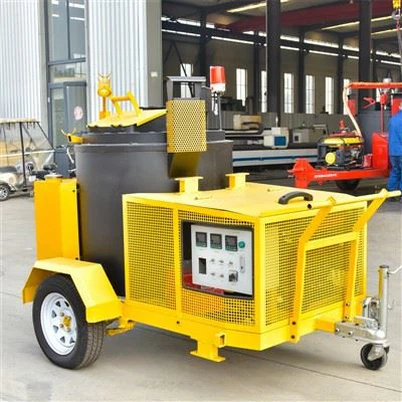
Once the locations are finalized and the permits are in hand, we prepare the highway maintenance car. Our company offers a range of specialized vehicles, such as the Asphalt Recycling and Maintenance Vehicle 2000L. This vehicle is not only equipped with the tools for asphalt maintenance but can also be outfitted with the equipment needed for camera installation. We load the car with all the required materials, including the traffic cameras themselves, mounting brackets, cables, and power supplies.
On - site Installation
When the highway maintenance car arrives at the installation site, safety is our top priority. The crew sets up safety barriers and warning signs to alert other road users of the ongoing work. This helps prevent accidents and ensures the safety of both the workers and the passing traffic.
The first step in the on - site installation is to prepare the mounting location. If the camera is to be installed on a pole, our workers use specialized equipment on the maintenance car to access the installation height safely. They clean the surface of the pole and mark the exact position for the mounting bracket.
Next, the mounting bracket is securely attached to the pole. This requires precision to ensure that the camera will be stable and properly aligned. Once the bracket is in place, the traffic camera is carefully mounted onto it. The camera's orientation is adjusted to cover the desired area of the roadway.
After the camera is installed, the crew connects the cables. These cables are used to transmit the video data from the camera to the control center and also to provide power to the camera. The cables are routed along the pole or underground, depending on the site requirements. We use high - quality cables to ensure reliable data transmission and long - term durability.
Power supply is another critical aspect. In some cases, the camera can be connected to an existing power source, such as a nearby electrical pole. In other situations, a solar power system may be installed to provide a sustainable and independent power supply. Our company also offers solutions like the Asphalt Curing Vehicle 800L, which can carry additional equipment and power - related tools during the installation process.
Testing and Calibration
Once the physical installation is complete, the traffic camera needs to be tested and calibrated. The crew uses a laptop or a specialized testing device to check the camera's functionality. They verify that the camera is capturing clear and accurate video footage, and that the data is being transmitted correctly to the control center.
Calibration is also essential to ensure that the camera provides accurate traffic data. This includes adjusting the focus, zoom, and angle of the camera. The crew may use reference points on the roadway, such as lane markings, to ensure that the camera is properly calibrated. They also test the camera's ability to detect different types of vehicles, including cars, trucks, and motorcycles.
Post - installation Checks
After the testing and calibration are successful, a final inspection is carried out. The crew checks all the connections, the stability of the mounting, and the overall appearance of the installation. They also clean up the work area, removing any debris or tools.
The data from the newly installed traffic camera is then integrated into the existing traffic management system. This allows traffic operators to monitor the traffic conditions in real - time, analyze traffic patterns, and respond to incidents more effectively.
Challenges in Camera Installation
Installing traffic cameras using a highway maintenance car is not without its challenges. One of the main challenges is working in a high - traffic environment. The presence of moving vehicles increases the risk of accidents, and the crew needs to be extremely vigilant at all times.
Weather conditions can also pose a problem. Rain, snow, or high winds can make the installation process more difficult and dangerous. For example, strong winds can affect the stability of the workers when they are working at height.
Another challenge is dealing with the complexity of the electrical and data systems. Ensuring a reliable power supply and data transmission requires technical expertise. Any issues with the cables or the power source can lead to camera malfunctions, which need to be resolved quickly.
The Importance of Traffic Cameras
Traffic cameras play a vital role in modern traffic management. They provide valuable data that helps traffic authorities make informed decisions. For example, traffic flow data collected from the cameras can be used to optimize traffic signal timings, reducing congestion and travel times.
In addition, traffic cameras are essential for law enforcement. They can be used to monitor for traffic violations, such as speeding and running red lights. This helps improve road safety and enforce traffic laws.
Moreover, in the event of an accident, traffic cameras can provide valuable evidence. The video footage can be used to determine the cause of the accident, assign liability, and improve future safety measures.

Asphalt Recycling and Its Connection to Camera Installation
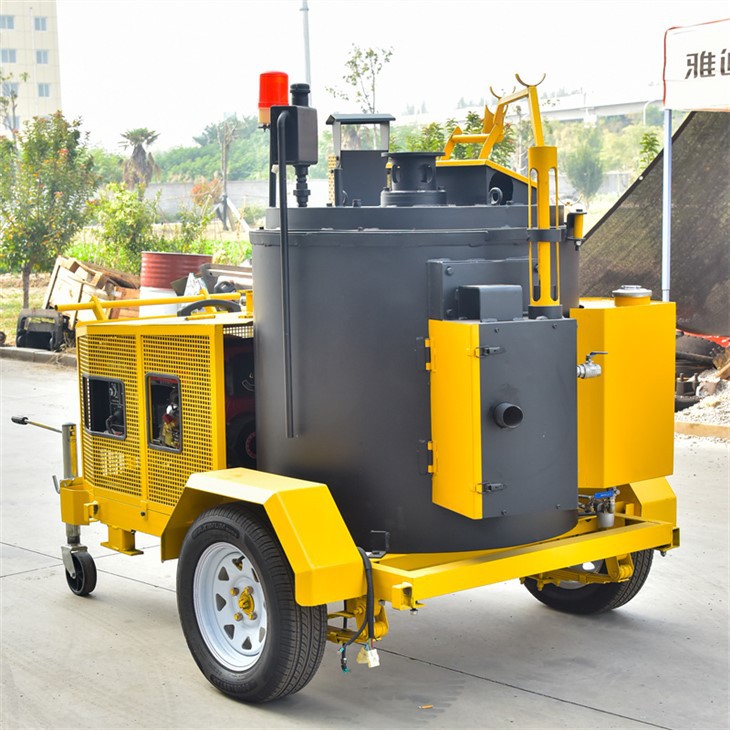
While our focus here is on traffic camera installation, it's worth noting that asphalt recycling is also an important part of highway maintenance. Our Asphalt hot recycling for road maintenance technology allows us to reuse old asphalt, reducing waste and saving costs.
During the camera installation process, if there are any road surface issues near the installation site, our maintenance cars can perform asphalt recycling and repair work. This integrated approach ensures that the entire highway infrastructure, including both the road surface and the traffic monitoring systems, is in optimal condition.
Conclusion
Installing traffic cameras using a highway maintenance car is a complex but essential process. It requires careful planning, technical expertise, and a commitment to safety. At our company, we are dedicated to providing high - quality highway maintenance solutions, including the installation of traffic cameras.
If you are in need of highway maintenance services or are interested in our range of highway maintenance cars, we encourage you to contact us for a procurement discussion. Our team of experts is ready to assist you in finding the best solutions for your specific needs.
References
- Traffic Engineering Handbook, Institute of Transportation Engineers
- Manual on Uniform Traffic Control Devices, Federal Highway Administration