What are the quality standards for road maintenance vehicles?
Leave a message

As a supplier of road maintenance vehicles, I understand the critical role these vehicles play in ensuring the safety and functionality of our road networks. Road maintenance vehicles are used for a variety of tasks, including cleaning, repair, and maintenance of roads, highways, and other transportation infrastructure. To ensure that these vehicles perform their tasks effectively and efficiently, they must meet certain quality standards. In this blog post, I will discuss the key quality standards for road maintenance vehicles.


Safety Standards
Safety is of utmost importance when it comes to road maintenance vehicles. These vehicles often operate in close proximity to traffic, and any malfunction or failure can pose a significant risk to the operators, other road users, and the general public. Therefore, road maintenance vehicles must meet strict safety standards to minimize the risk of accidents and injuries.
One of the primary safety standards for road maintenance vehicles is the use of high - visibility markings and lighting. These vehicles should be clearly marked with reflective tape and equipped with warning lights to make them easily visible to other drivers, especially in low - light conditions or adverse weather. Additionally, the vehicles should be designed with safety features such as roll - over protection structures (ROPS) and seat belts to protect the operators in case of an accident.
Another important safety aspect is the braking system. Road maintenance vehicles should have reliable and efficient braking systems that can stop the vehicle quickly and safely, even when carrying heavy loads or operating on steep slopes. Regular maintenance and inspection of the braking system are essential to ensure its proper functioning.
Performance Standards
The performance of road maintenance vehicles is crucial for their effectiveness in carrying out maintenance tasks. These vehicles should be able to perform their intended functions efficiently and with a high level of precision.
For example, Road Cleaning Equipment should have a powerful suction system and effective sweeping mechanisms to remove dirt, debris, and litter from the road surface. The cleaning width and the cleaning efficiency are important performance indicators. A wider cleaning width allows the vehicle to cover more area in less time, while high cleaning efficiency ensures that the road is thoroughly cleaned.
Motorway Maintenance Vehicles used for tasks such as line painting and guardrail installation should have accurate positioning and control systems. The line painting equipment should be able to apply paint evenly and precisely, creating clear and durable road markings. Similarly, the guardrail installation equipment should be able to install guardrails quickly and accurately, ensuring their proper alignment and stability.
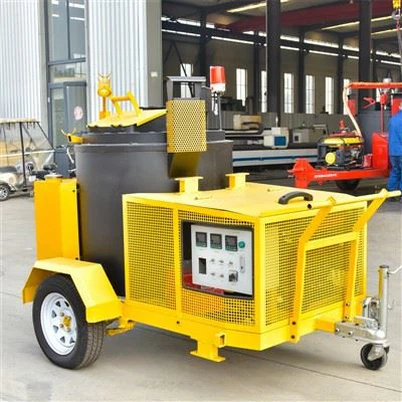
Road Repair Vehicle should be equipped with advanced technology for detecting and repairing road defects. These vehicles should be able to accurately identify potholes, cracks, and other damage on the road surface and perform repairs in a timely manner. The repair materials used should be of high quality and should have good adhesion and durability to ensure long - lasting repairs.
Durability and Reliability Standards
Road maintenance vehicles are often subjected to harsh working conditions, including rough terrain, extreme weather, and heavy use. Therefore, they must be built to be durable and reliable.
The chassis and body of the vehicle should be made of high - strength materials that can withstand the stresses and strains of daily operation. The components and parts of the vehicle, such as the engine, transmission, and hydraulic systems, should be of high quality and should be designed for long - term use. Regular maintenance and servicing are also necessary to keep the vehicle in good working condition and to prevent breakdowns.
In addition, the vehicle should be designed with easy - to - access maintenance points and user - friendly controls. This makes it easier for the operators to perform routine maintenance tasks and to troubleshoot any problems that may arise.
Environmental Standards
In today's world, environmental protection is a major concern. Road maintenance vehicles should be designed to minimize their environmental impact.
One of the key environmental standards is the reduction of emissions. Vehicles should be equipped with engines that meet the latest emission standards, such as Euro 6 or equivalent. These engines are designed to produce fewer pollutants, such as nitrogen oxides (NOx), particulate matter (PM), and carbon monoxide (CO), which helps to improve air quality.
Another important aspect is the efficient use of resources. Road maintenance vehicles should be designed to use fuel and other resources as efficiently as possible. This can be achieved through the use of advanced engine technology, lightweight materials, and energy - saving features. For example, some vehicles are equipped with regenerative braking systems that can recover energy during braking and use it to power other vehicle systems.
Comfort and Ergonomics Standards
The comfort and ergonomics of road maintenance vehicles are also important factors to consider. Operators often spend long hours in these vehicles, and a comfortable and ergonomic working environment can improve their productivity and reduce the risk of fatigue and injuries.
The cab of the vehicle should be designed with a comfortable seat, adjustable steering wheel, and good visibility. The controls and instruments should be easy to reach and operate, and the layout should be logical and intuitive. Additionally, the vehicle should be equipped with a climate control system to ensure a comfortable temperature inside the cab, regardless of the outside weather conditions.
Quality Control and Certification
To ensure that road maintenance vehicles meet the required quality standards, a rigorous quality control process should be in place during the manufacturing process. This includes inspections at various stages of production, from the raw material sourcing to the final assembly and testing.
Vehicles should also be certified by relevant authorities or organizations. For example, in the European Union, road vehicles must comply with the requirements of the Whole Vehicle Type Approval (WVTA) process. This certification ensures that the vehicle meets all the relevant safety, environmental, and performance standards.
Conclusion
In conclusion, road maintenance vehicles must meet a variety of quality standards to ensure their safety, performance, durability, environmental friendliness, and operator comfort. As a supplier of road maintenance vehicles, we are committed to producing vehicles that meet or exceed these standards. Our Road Cleaning Equipment, Motorway Maintenance Vehicles, and Road Repair Vehicle are designed and manufactured with the latest technology and highest quality materials to provide our customers with reliable and efficient solutions for road maintenance.
If you are in the market for road maintenance vehicles and are interested in learning more about our products or discussing your specific requirements, we encourage you to get in touch with us. We are happy to provide you with detailed product information and to assist you in making the right choice for your road maintenance needs.
References
- "European Union Whole Vehicle Type Approval (WVTA) Regulations"
- "Emission Standards for Road Vehicles" - International Organization for Standardization
- "Safety Guidelines for Road Maintenance Vehicle Operations" - World Road Association