

Instructions for buying asphalt crack blocking equipment
Leave a message
Choosing the right asphalt crack sealing machine is crucial for effective road maintenance. The right equipment increases efficiency, reduces long-term maintenance costs and provides professional surface treatment. There are a variety of models to choose from, and understanding your needs and the functionality of your machine will help you make smart investments.
Determine your inquiry
First, assess the size and frequency of the project. Small tasks such as highways or small commercial works may only require a compact waste container or a lightweight smelter. For larger areas such as parking lots or city roads, the use of large capacity melts with pressure conveying systems is recommended. These devices minimize the amount of fuel and support long-term use.
Evaluation of heating and distribution systems
An efficient heating mechanism ensures uniform melting of the sealant. Propane-burned melters are common due to their portability and effective heat distribution. Look for models with adjustable thermostats for precise temperature control that prevents sealant degradation and supports optimal adhesion.
The distribution method also affects the performance. The pump drive system provides a stable material flow and is suitable for fine work. The gravity supply device is simpler, but can be lacking in larger works. Selection based on the complexity of the project.
Consider capacity and mobility
The capacity of the tank determines how much material can be melted in a circuit. Machines with 30-50 gallon tanks reduce disruption and are ideal for continuous use. In addition, portability is evaluated: Robust wheels, balanced weight distribution and compact construction improve mobility in the workplace
Compatibility with seal types
Most professional machines are designed for thermally coated rubber sealants with flexibility and durability. Make sure that the device you choose supports the type and class of sealant you want to use. Some machines may also use cold-cast materials, although products for thermal applications are generally better suited for lasting repairs.
Focus on sustainability and support
Investments in equipment made from solid materials such as powder-coated steel or corrosion-resistant parts. Check the safety features, including insulation, stable frame and secure hose connection.

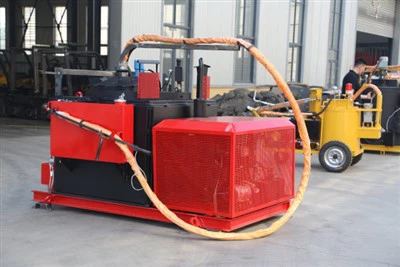
Finally, choose a reputable supplier that offers technical support, warranty and finished spare parts. Good after-sales service extends the life of the machine and minimizes downtime.
Carefully selected crack sealants improve road safety and provide sustainable value. Prioritize functionality, reliability, and ease of use to effectively meet your maintenance goals.


