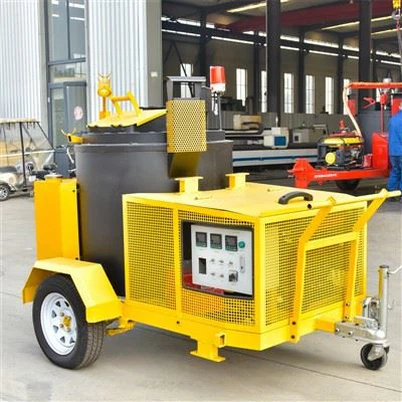
What safety precautions should be taken when using a joint filling machine?
Leave a message

Hey there! As a supplier of joint filling machines, I've seen firsthand how these machines can make a big difference in road maintenance and construction projects. But like any piece of equipment, using a joint filling machine comes with its own set of safety risks. In this blog post, I'm going to share some important safety precautions that you should take when using a joint filling machine.
1. Pre - operation Safety Checks
Before you even think about firing up the joint filling machine, you need to do a thorough pre - operation check. First off, inspect the machine for any visible signs of damage. Look for cracks in the body, loose bolts, or any other issues that could potentially cause problems during operation. For example, if the hoses are cracked or frayed, they could leak the filling material, which is not only a waste but also a safety hazard.
Check the fluid levels as well. Make sure there's enough fuel, hydraulic fluid, and the filling material itself. Running a machine with low fluid levels can lead to overheating or mechanical failures. Also, examine the electrical connections. Loose or damaged electrical wires can cause short - circuits, which are extremely dangerous.
2. Personal Protective Equipment (PPE)
Wearing the right PPE is non - negotiable when using a joint filling machine. First, put on a good pair of safety glasses. The filling material, especially hot asphalt, can splash out during the filling process, and getting it in your eyes can cause serious injury.
Gloves are also a must. They protect your hands from burns, cuts, and contact with the filling material. Look for gloves that are heat - resistant and durable. A hard hat is essential too, especially if you're working in an area where there's a risk of falling objects.
Wear long - sleeved shirts and long pants to protect your skin from the hot machine parts and any potential spills. And don't forget safety shoes. They'll protect your feet from heavy objects and sharp debris on the ground.
3. Operating in a Safe Environment
Choose a suitable location to operate the joint filling machine. Make sure the ground is level and stable. An uneven surface can cause the machine to tip over, which is extremely dangerous. Clear the area around the machine of any obstacles, such as rocks, tools, or debris.
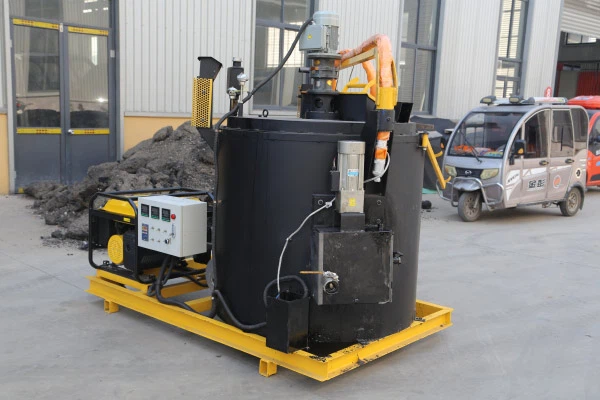

If you're working near traffic, set up proper traffic control measures. Use cones, barriers, and warning signs to alert drivers. This will not only keep you safe but also prevent accidents on the road.
4. Handling the Filling Material
The filling material, whether it's asphalt or another type of sealant, can be very hot and potentially hazardous. When loading the material into the machine, be extremely careful. Use the proper tools and follow the manufacturer's instructions.
If you're using a machine like the FAGF100 Asphalt Crack Sealing Machine, which is designed for asphalt crack sealing, make sure you're aware of the correct temperature range for the asphalt. Overheating the asphalt can cause it to become too thin and difficult to control, while under - heating it may not provide a proper seal.
When applying the filling material, keep a safe distance from the nozzle. The pressure of the material coming out can be quite high, and a sudden burst can cause it to spray out unexpectedly.
5. Machine Operation
Follow the manufacturer's operating instructions to the letter. Each joint filling machine is different, and the instructions are there to ensure safe and efficient operation. Don't try to operate the machine if you're not properly trained.
When starting the machine, make sure all the controls are in the correct position. Slowly bring the machine up to operating speed. Avoid sudden starts or stops, as this can put unnecessary stress on the machine's components.
During operation, keep an eye on the machine's gauges and indicators. They'll tell you if something is going wrong, such as overheating or low pressure. If you notice any abnormal readings, stop the machine immediately and investigate the problem.
6. Maintenance and Storage
Regular maintenance is key to keeping your joint filling machine safe to use. Follow the recommended maintenance schedule provided by the manufacturer. This includes tasks like changing the oil, cleaning the filters, and lubricating the moving parts.
When the machine is not in use, store it in a dry and secure place. Protect it from the elements, as exposure to rain, snow, or extreme heat can damage the machine. If you're storing it for an extended period, drain all the fluids and cover the machine to prevent dust and debris from getting inside.
7. Emergency Preparedness
Be prepared for emergencies. Have a first - aid kit nearby in case of any injuries. Know the location of the nearest emergency exits and medical facilities.
Familiarize yourself with the machine's emergency stop button. In case of an emergency, you can quickly stop the machine to prevent further damage or injury. Also, have a fire extinguisher on hand, especially if you're working with flammable materials like asphalt.
8. Training and Supervision
Make sure all operators are properly trained before using the joint filling machine. Training should cover not only how to operate the machine but also safety procedures. A well - trained operator is less likely to make mistakes that could lead to accidents.
If possible, have a supervisor on site, especially for new operators. The supervisor can provide guidance, answer questions, and ensure that all safety procedures are being followed.
Conclusion
Using a joint filling machine can be a great way to get the job done, but safety should always be your top priority. By following these safety precautions, you can minimize the risk of accidents and ensure a successful and safe operation.
We offer a range of high - quality joint filling machines, including the FAGF100 Asphalt Crack Sealing Machine, Vehicle Mounted Asphalt Grouting Machine, and FAGF500 Pavement Sealing Machine. If you're interested in purchasing a joint filling machine or have any questions about our products, feel free to reach out to us for a purchase negotiation.
References
- Manufacturer's operating manuals for joint filling machines
- OSHA (Occupational Safety and Health Administration) guidelines for construction equipment safety