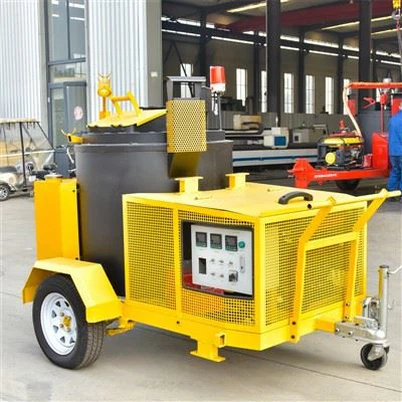
What is the power source of a Traction Grouting Machine?
Leave a message

Hey there! As a supplier of Traction Grouting Machines, I've been getting a lot of questions lately about what powers these bad boys. So, I thought I'd take a moment to break it down for you.
The Basics of Traction Grouting Machines
First off, let's quickly go over what a Traction Grouting Machine actually does. These machines are used in a variety of construction and infrastructure projects, mainly for filling joints and cracks in roads, pavements, and other surfaces. They work by pumping grout, which is a mixture of cement, water, and sometimes other additives, into the spaces that need to be filled.
Power Sources: The Heart of the Machine
Now, let's talk about the power sources. There are a few different options when it comes to powering a Traction Grouting Machine, and each has its own pros and cons.
1. Diesel Engines
Diesel engines are one of the most common power sources for Traction Grouting Machines. Why? Well, they're known for their high torque, which means they can handle heavy loads and tough working conditions. Diesel engines are also relatively fuel - efficient, especially when compared to gasoline engines. This is a big plus if you're using the machine for long periods or on large projects.
One of our popular models, the 500L Hydraulic Traction Grouting Machine, is powered by a reliable diesel engine. This machine is great for large - scale road joint filling projects because the diesel engine can keep it running smoothly for hours on end. Diesel engines are also easy to maintain. Most of the parts are readily available, and if you run into any issues, there are plenty of mechanics who are familiar with diesel engines.
However, diesel engines do have some drawbacks. They can be quite noisy, which might be a problem if you're working in a residential area. Also, they produce emissions, which are not so great for the environment. But with the latest technologies, many diesel engines are becoming cleaner and more eco - friendly.
2. Electric Motors
Electric motors are another option for powering Traction Grouting Machines. These motors are quiet, which is a huge advantage if you're working in noise - sensitive areas. They also produce zero emissions on - site, making them a more environmentally friendly choice.
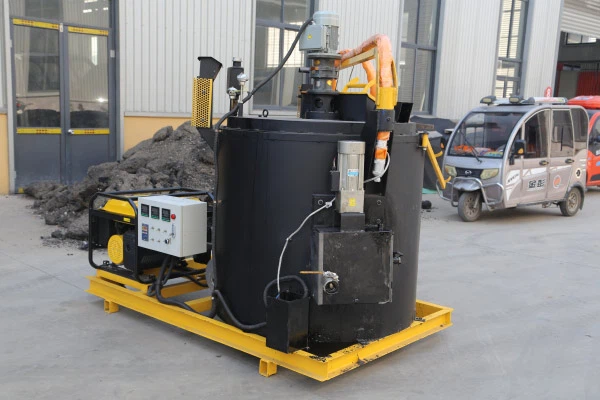

Our D520L High Quality Traction Grouting Machine can be powered by an electric motor. This makes it ideal for indoor projects or areas where air quality is a concern. Electric motors are also very efficient in terms of power consumption. They convert a high percentage of the electrical energy into mechanical energy, which means you get more work done with less power.
But electric motors do have their limitations. They need a reliable power source, which can be a problem if you're working in remote areas without access to electricity. You might need to bring in a generator, which adds to the cost and complexity of the project.
3. Gasoline Engines
Gasoline engines are less common in Traction Grouting Machines, but they still have their place. Gasoline engines are generally lighter and more compact than diesel engines, which can make the machine more portable. They're also relatively easy to start, especially in cold weather.
However, gasoline engines are not as fuel - efficient as diesel engines, and they have a lower torque output. This means they might struggle with heavy - duty tasks. Also, like diesel engines, they produce emissions and can be noisy.
Other Considerations
When choosing the power source for a Traction Grouting Machine, there are a few other things you need to think about.
1. Project Requirements
The type of project you're working on will play a big role in determining the best power source. If it's a large, outdoor project that requires long hours of operation, a diesel engine might be the best choice. But if it's a small, indoor project or in a noise - restricted area, an electric motor could be more suitable.
2. Cost
Cost is always a factor. Diesel engines and gasoline engines require fuel, which can add up over time. Electric motors, on the other hand, need electricity, and the cost of that will depend on your local electricity rates. You also need to consider the initial cost of the machine. Machines with diesel engines might be more expensive upfront, but they could save you money in the long run if you're using them frequently.
3. Maintenance
Different power sources have different maintenance requirements. Diesel engines need regular oil changes, filter replacements, and fuel system checks. Electric motors are generally easier to maintain, with fewer moving parts. But you still need to make sure the electrical components are in good condition.
Another Related Machine: Asphalt Crack Sealing Machine
In addition to Traction Grouting Machines, we also offer the FAGF100 Asphalt Crack Sealing Machine. This machine is used specifically for sealing cracks in asphalt pavements. It can be powered by different sources as well, and the choice of power source follows similar considerations as with Traction Grouting Machines.
Wrapping It Up
So, there you have it! The power source of a Traction Grouting Machine is a crucial factor that can affect its performance, cost, and suitability for different projects. Whether it's a diesel engine, an electric motor, or a gasoline engine, each has its own unique features.
If you're in the market for a Traction Grouting Machine or an Asphalt Crack Sealing Machine, I'd love to have a chat with you. We can discuss your project requirements and help you choose the best machine with the right power source for your needs. Don't hesitate to reach out and start the conversation about procurement.
References
- Construction Equipment Handbook, 2023 Edition
- Engineering Studies on Power Sources for Industrial Machines, 2022
- Road Maintenance and Construction Best Practices Report, 2021