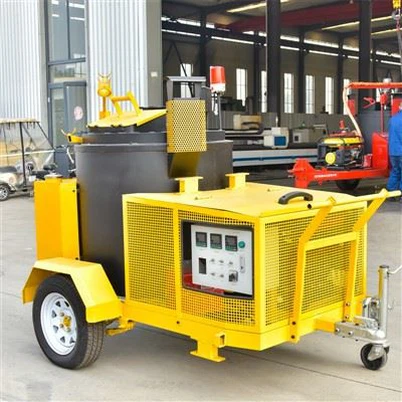
What are the anti - skid features of a highway maintenance car?
Leave a message

As a leading supplier of highway maintenance cars, I am often asked about the anti - skid features of our vehicles. These features are crucial for ensuring the safety of both the operators and other road users, especially in adverse weather conditions or on slippery road surfaces. In this blog post, I will delve into the various anti - skid features that our highway maintenance cars are equipped with.
1. Anti - lock Braking System (ABS)
One of the most fundamental anti - skid features in our highway maintenance cars is the Anti - lock Braking System (ABS). ABS is designed to prevent the wheels from locking up during braking, which can cause the vehicle to skid. When the driver applies the brakes, the ABS sensors monitor the speed of each wheel. If a wheel starts to lock up, the ABS system automatically modulates the brake pressure to that wheel, allowing it to continue rotating. This helps the driver maintain steering control and reduces the stopping distance on slippery roads.


For example, in wet or icy conditions, if a vehicle without ABS suddenly brakes hard, the wheels may lock up, and the car will skid in a straight line, regardless of where the steering wheel is turned. With ABS, the wheels are able to maintain traction with the road surface, enabling the driver to steer around obstacles while braking. Our highway maintenance cars are equipped with state - of - the - art ABS technology, which has been proven to significantly enhance safety on the roads.
2. Traction Control System (TCS)
In addition to ABS, our highway maintenance cars are also fitted with a Traction Control System (TCS). The TCS works in conjunction with the ABS to prevent wheel spin during acceleration. When the TCS sensors detect that one or more wheels are spinning faster than the others, indicating a loss of traction, the system reduces engine power and/or applies the brakes to the spinning wheels.
This feature is particularly useful when the vehicle is starting on a slippery surface, such as a snow - covered or gravel road. By preventing wheel spin, the TCS helps the vehicle to gain traction and move forward smoothly. It also improves handling and stability, as uneven wheel spin can cause the vehicle to pull to one side. Our TCS is highly sensitive and can adjust to different driving conditions in real - time, ensuring optimal performance at all times.
3. Electronic Stability Program (ESP)
The Electronic Stability Program (ESP) is another advanced anti - skid feature in our highway maintenance cars. ESP is designed to help the driver maintain control of the vehicle in critical situations, such as when the car is oversteering or understeering. Oversteering occurs when the rear wheels lose traction and the vehicle starts to spin, while understeering happens when the front wheels lose traction and the car fails to turn as expected.
ESP uses sensors to monitor the vehicle's speed, steering angle, and lateral acceleration. If the system detects that the vehicle is deviating from the intended path, it automatically applies the brakes to individual wheels and adjusts the engine power to bring the vehicle back under control. This feature can be a lifesaver in emergency situations, such as sudden lane changes or evasive maneuvers on slippery roads. Our ESP technology is reliable and has been thoroughly tested to ensure maximum safety.
4. Specialized Tires
The type of tires used on our highway maintenance cars also plays a vital role in preventing skids. We equip our vehicles with high - quality, all - season or winter tires that are specifically designed for heavy - duty applications. These tires have deep treads and special rubber compounds that provide excellent traction on various road surfaces, including wet, snowy, and icy roads.
The deep treads help to channel water away from the tire's contact patch, reducing the risk of hydroplaning. Hydroplaning occurs when a layer of water builds up between the tire and the road surface, causing the tire to lose contact with the road and resulting in a skid. Our tires are also designed to maintain flexibility in cold temperatures, ensuring consistent performance in winter conditions.
5. Weight Distribution and Low Center of Gravity
Proper weight distribution and a low center of gravity are important factors in preventing skids. Our highway maintenance cars are designed with a well - balanced weight distribution, which helps to keep the vehicle stable and reduces the risk of tipping over or losing traction. The low center of gravity also improves handling and makes the vehicle less prone to skidding, especially when cornering at high speeds.
By carefully placing the heavy components, such as the engine and the maintenance equipment, in the lower part of the vehicle, we ensure that the weight is evenly distributed across all four wheels. This design feature enhances the overall stability of the vehicle and contributes to its anti - skid performance.
6. Snow Plow and De - icing Equipment Design
Many of our highway maintenance cars are equipped with snow plows and de - icing equipment. The design of these attachments also takes anti - skid considerations into account. For example, our snow plows are designed to push snow evenly and efficiently, without causing the vehicle to lose traction. They are also adjustable, allowing the operator to set the angle and height of the plow according to the road conditions.
Our de - icing equipment, such as salt spreaders, is designed to distribute de - icing materials evenly across the road surface. This helps to melt snow and ice quickly, improving traction for both the maintenance vehicle and other road users. The spreaders are also equipped with sensors that can adjust the spreading rate based on the vehicle's speed and the road conditions, ensuring optimal performance.
Conclusion
In conclusion, our highway maintenance cars are equipped with a comprehensive range of anti - skid features that are designed to ensure the safety of the operators and other road users. From advanced braking and traction control systems to specialized tires and well - designed attachments, every aspect of our vehicles is engineered to provide maximum stability and performance on slippery roads.
If you are in the market for a reliable and safe highway maintenance car, look no further. Our products are backed by years of experience and cutting - edge technology. We offer a wide range of Road Cleaning Equipment, Road Surface Maintenance Vehicle, and Asphalt Recycling and Maintenance Vehicle 2000L to meet your specific needs.
To learn more about our highway maintenance cars and their anti - skid features, or to discuss your procurement requirements, please feel free to contact us. We are always ready to assist you in finding the perfect solution for your highway maintenance needs.
References
- Bosch, Anti - lock Braking System (ABS) and Traction Control System (TCS) Handbook.
- Continental, Electronic Stability Program (ESP) Technical Guide.
- Michelin, Tire Technology and Performance Manual.