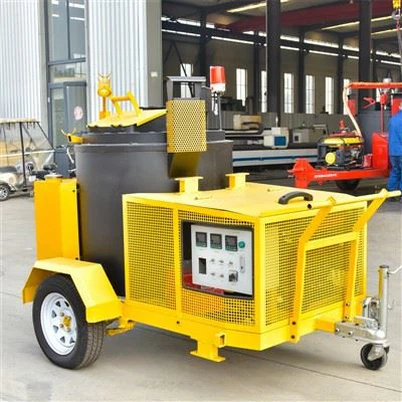
What is the noise level of a road sanitation vehicle?
Leave a message

Hey there! As a supplier of road sanitation vehicles, I often get asked about the noise level of these machines. It's a valid concern, especially when you're thinking about the impact on the environment and the people in the vicinity. So, let's dive right into it and find out what the noise level of a road sanitation vehicle is all about.
First off, it's important to understand that the noise level of a road sanitation vehicle can vary quite a bit depending on several factors. The type of vehicle, its engine, the age of the machine, and even the specific tasks it's performing all play a role in how loud it is.
Let's start with the different types of road sanitation vehicles. We've got all sorts of them in our lineup, like the Electric Four-wheel Road Maintenance Vehicle. This baby is pretty quiet compared to some of the traditional gas-powered ones. The electric motor runs smoothly and doesn't make that loud revving noise you're used to hearing from a combustion engine. It's great for areas where noise pollution is a big deal, like residential neighborhoods or near schools.
Then there's the Rural Road Maintenance Vehicle. These are often used in more open areas, like country roads. They might have a bit more power and, as a result, can be a bit louder. But they're built to handle the tough conditions out there, so a little extra noise is a small price to pay for their performance.
And of course, we can't forget about the Multi Functional Ground Maintenance Vehicle. This is a real workhorse, capable of doing multiple tasks like sweeping, cleaning, and even watering the roads. With all those functions, it might generate a bit more noise, but it's still designed to keep the noise levels as low as possible.


Now, let's talk about the engine. The type of engine a road sanitation vehicle has can have a huge impact on its noise level. Gasoline and diesel engines are the most common, and they tend to be louder than electric ones. Gas engines are known for their high-pitched whine, especially when they're under heavy load. Diesel engines, on the other hand, have a deeper, more rumbling sound. But modern diesel engines have come a long way in terms of noise reduction, thanks to things like better insulation and advanced engine technology.
The age of the vehicle also matters. Older vehicles are more likely to be noisier because the parts are worn out. Over time, the engine, the belts, and the other moving components can start to make more noise. Regular maintenance can help keep the noise levels down, but eventually, you might need to replace some parts or even the whole vehicle.
The specific tasks a road sanitation vehicle is performing can also affect its noise level. For example, when a vehicle is sweeping the road, the brushes can make a scraping sound. And when it's using a high-pressure water jet to clean the sidewalks, that can create a lot of noise too. But again, manufacturers are constantly working on ways to reduce the noise generated by these tasks.
So, what's the actual noise level of a road sanitation vehicle? Well, it's usually measured in decibels (dB). A typical road sanitation vehicle can range anywhere from 70 dB to 90 dB. To put that in perspective, normal conversation is around 60 dB, and a lawnmower is about 90 dB. So, a road sanitation vehicle is definitely louder than normal conversation, but it's not as loud as a lawnmower.
In many places, there are regulations in place to limit the noise level of vehicles, including road sanitation vehicles. These regulations are designed to protect the environment and the health of the people living and working in the area. As a supplier, we make sure that all our vehicles meet these regulations.
We also understand that noise reduction is not just about meeting the regulations. It's also about providing a better experience for everyone. That's why we're constantly looking for ways to make our vehicles quieter. We invest in research and development to find new technologies and materials that can reduce noise. For example, we're exploring the use of sound-absorbing materials in the vehicle's construction and improving the design of the engine and the other components to make them run more quietly.
If you're in the market for a road sanitation vehicle, noise level should definitely be one of the factors you consider. A quieter vehicle can be more pleasant to work with and less disruptive to the surrounding environment. And with our range of vehicles, you can find one that meets your needs while keeping the noise to a minimum.
So, if you're interested in learning more about our road sanitation vehicles or want to discuss your specific requirements, don't hesitate to reach out. We're here to help you find the perfect vehicle for your job. Whether you need a small electric vehicle for a residential area or a heavy-duty multi-functional vehicle for a large city, we've got you covered.
References
- General knowledge about road sanitation vehicles and noise regulations.
- Industry reports on vehicle noise reduction technologies.