How to handle the problem of material shrinkage in road joint filling?
Leave a message

Material shrinkage in road joint filling is a prevalent and challenging issue that can significantly impact the quality and longevity of road construction. As a professional road joint filling supplier, I've encountered this problem numerous times and have gained valuable insights into effective handling methods. In this blog, I'll share some practical strategies and solutions to address the material shrinkage problem.
Understanding the Causes of Material Shrinkage
Before delving into solutions, it's crucial to understand the root causes of material shrinkage in road joint filling. There are several factors that can contribute to this issue:
1. Evaporation of Volatile Components
Many joint filling materials contain volatile components such as solvents or water. During the curing process, these volatile substances evaporate, leading to a reduction in the volume of the material and subsequent shrinkage. For example, some asphalt - based joint fillers may contain light - ends that evaporate over time, causing the filler to shrink.
2. Chemical Reactions
Certain chemical reactions that occur during the curing of joint filling materials can also result in shrinkage. For instance, when polymer - based joint fillers cure, the cross - linking reactions between polymer chains can cause a decrease in the overall volume of the material.
3. Temperature Changes
Temperature fluctuations can have a significant impact on the volume of joint filling materials. As the temperature drops, the material contracts, and if the contraction is not uniform, it can lead to shrinkage cracks. This is especially common in regions with large temperature variations between day and night.
Strategies to Handle Material Shrinkage
1. Select the Right Joint Filling Material
One of the most effective ways to minimize material shrinkage is to choose the appropriate joint filling material. Some materials are inherently less prone to shrinkage than others. For example, high - quality polyurethane - based joint fillers typically have low shrinkage rates due to their excellent elasticity and resistance to volume changes. These materials can better accommodate temperature variations and mechanical stresses without significant shrinkage.
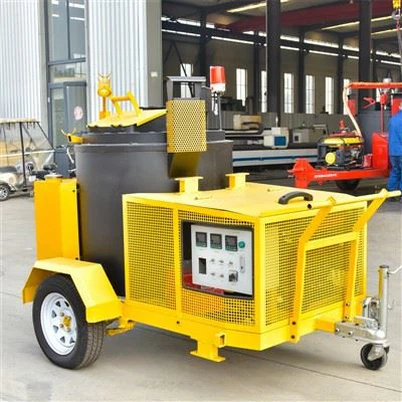
When selecting a joint filling material, it's also important to consider its compatibility with the road surface. Using a material that adheres well to the road substrate can help prevent the formation of gaps caused by shrinkage. Our company offers a wide range of joint filling materials that are carefully formulated to minimize shrinkage and provide long - lasting performance. You can find more information about our [Joint Filling Machine]( /road - joint - filling/joint - filling - machine.html) which is designed to work seamlessly with these high - quality materials.
2. Control the Application Process
Proper application of the joint filling material is crucial in reducing shrinkage. Here are some key points to keep in mind:
- Surface Preparation: Thoroughly clean and dry the joint before applying the filling material. Any dirt, debris, or moisture can prevent proper adhesion and increase the likelihood of shrinkage. Use a wire brush or compressed air to clean the joint, and ensure it is completely dry before proceeding.
- Application Temperature: Follow the manufacturer's recommendations regarding the application temperature of the joint filling material. Applying the material at the correct temperature ensures proper flow and curing, which can help minimize shrinkage. For example, some materials need to be heated to a specific temperature range to achieve optimal performance. Our [FAGF100 Pavement Sealing Machine]( /road - joint - filling/fagf100 - pavement - filling - machine.html) and [FAGF500 Pavement Sealing Machine]( /road - joint - filling/fagf500 - pavement - filling - machine.html) are equipped with temperature control systems to ensure accurate and consistent application temperatures.
- Proper Filling Depth: Fill the joint to the appropriate depth. Over - filling or under - filling can lead to uneven shrinkage and poor performance. Refer to the design specifications for the recommended filling depth and use a suitable tool to achieve an even surface.
3. Incorporate Expansion and Contraction Joints
Designing the road with proper expansion and contraction joints can help accommodate the natural movement of the road surface due to temperature changes and material shrinkage. These joints act as relief zones, allowing the road to expand and contract without causing excessive stress on the joint filling material.
When installing expansion and contraction joints, ensure they are properly spaced and sized according to the road design and the expected temperature variations in the area. Additionally, use high - quality joint sealants in these joints to prevent water infiltration and further damage.
4. Post - Application Maintenance
Regular maintenance of the joint filling is essential to address any potential shrinkage issues. Inspect the joints periodically for signs of shrinkage, cracking, or damage. If shrinkage is detected, it's important to take prompt action to repair the affected areas.
One common repair method is to re - fill the joint with additional joint filling material. However, before re - filling, make sure to clean the existing joint thoroughly to ensure proper adhesion of the new material. You can also use a primer to improve the bond between the old and new filling materials.

Case Studies
To illustrate the effectiveness of these strategies, let's look at a couple of case studies:
Case Study 1: Urban Road Project
In an urban road project, the contractor initially used a low - quality asphalt - based joint filler that experienced significant shrinkage within a few months of installation. This led to the formation of cracks and water infiltration, which further damaged the road surface.
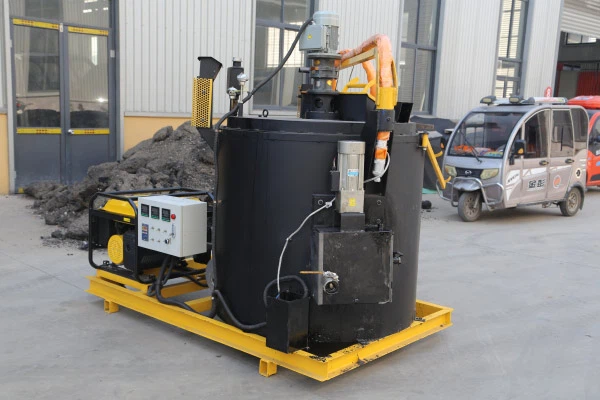
To address the issue, the contractor switched to a high - quality polyurethane - based joint filler recommended by our company. They also used our [FAGF500 Pavement Sealing Machine]( /road - joint - filling/fagf500 - pavement - filling - machine.html) to ensure proper application temperature and uniform filling. After the replacement, the shrinkage problem was effectively resolved, and the road joints remained in good condition for several years.
Case Study 2: Highway Project
A highway project in a region with large temperature variations faced shrinkage issues in the joint filling. The original joint filling material could not withstand the repeated expansion and contraction caused by temperature changes.
The project team implemented a comprehensive solution that included proper surface preparation, the use of a polymer - modified joint filler, and the installation of expansion joints at appropriate intervals. Our [Joint Filling Machine]( /road - joint - filling/joint - filling - machine.html) was used to ensure precise application. As a result, the shrinkage problem was minimized, and the overall durability of the road joints was significantly improved.
Conclusion
Material shrinkage in road joint filling is a complex problem that requires a multi - faceted approach. By understanding the causes of shrinkage, selecting the right joint filling material, controlling the application process, incorporating expansion and contraction joints, and performing regular maintenance, we can effectively handle this issue and ensure the long - term performance of road joints.
As a leading road joint filling supplier, we are committed to providing high - quality products and professional solutions to our customers. If you are facing material shrinkage problems in your road joint filling projects or are looking for reliable joint filling materials and equipment, we would be more than happy to assist you. Contact us to start a procurement discussion and find the best solutions for your specific needs.
References
- Smith, J. (2018). Road Joint Filling: Best Practices and Challenges. Journal of Road Construction and Maintenance, 15(2), 45 - 52.
- Johnson, R. (2019). The Impact of Material Shrinkage on Road Joint Performance. International Journal of Pavement Engineering, 20(3), 211 - 220.
- Brown, A. (2020). Strategies for Minimizing Shrinkage in Road Joint Filling Materials. Proceedings of the International Conference on Road Engineering, 345 - 352.