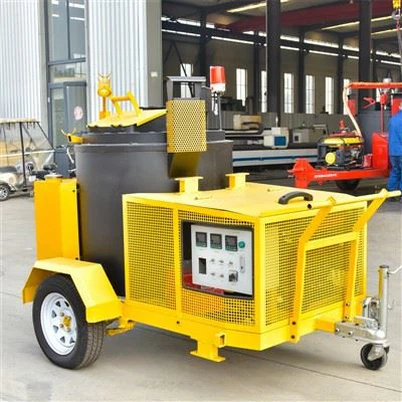
What is the lubrication system of a Highway Maintenance Car?
Leave a message

The lubrication system of a highway maintenance car plays a pivotal role in ensuring its smooth operation and longevity. As a leading supplier of highway maintenance cars, I understand the significance of this system and am eager to share some in - depth knowledge about it.
The Basics of a Lubrication System
The primary function of the lubrication system in a highway maintenance car is to reduce friction between moving parts. In a vehicle, there are numerous components that move against each other at high speeds and under high pressure. Without proper lubrication, these parts would wear out quickly, leading to increased maintenance costs and potentially catastrophic failures.

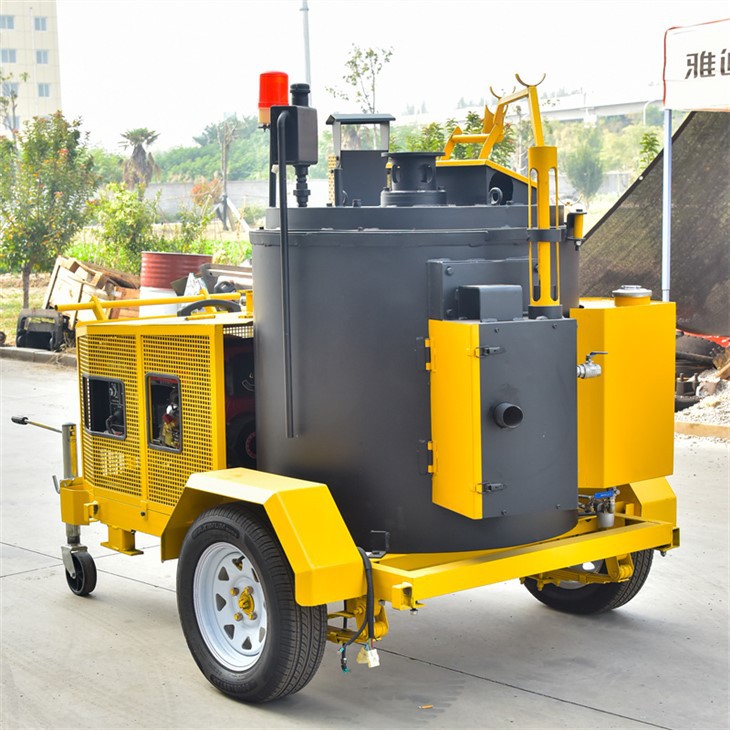
The lubrication system consists of several key components. The oil pump is the heart of the system. It is responsible for circulating the lubricating oil throughout the engine and other critical components. The oil pump draws oil from the oil pan, which is located at the bottom of the engine, and then forces it through a network of passages and galleries to the areas that need lubrication.
Another important component is the oil filter. The oil filter is designed to remove contaminants such as dirt, metal particles, and carbon deposits from the oil. Over time, these contaminants can accumulate in the oil and cause damage to the engine. The oil filter traps these particles, ensuring that only clean oil reaches the moving parts.
Lubrication in Different Parts of the Highway Maintenance Car
Engine Lubrication
The engine is the most critical part of the highway maintenance car, and proper lubrication is essential for its performance. The lubricating oil forms a thin film between the pistons and the cylinder walls, reducing friction and wear. It also helps to cool the engine by carrying away heat generated during the combustion process.
In addition to the pistons and cylinder walls, the lubricating oil also lubricates the crankshaft, connecting rods, and camshaft. These components are subjected to high loads and speeds, and without proper lubrication, they can quickly fail. The oil also provides a seal between the pistons and the cylinder walls, preventing the leakage of combustion gases.
Transmission Lubrication
The transmission is responsible for transferring power from the engine to the wheels. It contains a complex set of gears and bearings that require proper lubrication. The lubricating oil in the transmission reduces friction between the gears, allowing them to mesh smoothly. It also helps to cool the transmission by dissipating heat generated during operation.
There are different types of transmission lubricants available, depending on the type of transmission in the highway maintenance car. For example, automatic transmissions require a specific type of fluid that has different properties compared to manual transmission lubricants.
Other Components
Apart from the engine and transmission, other components of the highway maintenance car also require lubrication. The steering system, for example, contains gears and bearings that need to be lubricated to ensure smooth steering. The suspension system also has moving parts that benefit from proper lubrication.
Importance of Regular Maintenance of the Lubrication System
Regular maintenance of the lubrication system is crucial for the overall performance and reliability of the highway maintenance car. One of the most important maintenance tasks is changing the oil and the oil filter at regular intervals. Over time, the lubricating oil breaks down and loses its effectiveness. It also becomes contaminated with dirt and debris. Changing the oil and the oil filter ensures that the engine and other components are always lubricated with clean, fresh oil.
It is also important to check the oil level regularly. Low oil levels can lead to insufficient lubrication, which can cause damage to the engine. In addition, the oil should be checked for signs of contamination or degradation. If the oil appears dirty or has a strange odor, it may be a sign that it needs to be changed.
Our Range of Highway Maintenance Cars and Their Lubrication Systems
As a supplier of highway maintenance cars, we offer a wide range of vehicles to meet different customer needs. Our Rural Road Maintenance Vehicle is designed for the maintenance of rural roads. It is equipped with a reliable lubrication system that ensures smooth operation even in rough terrains. The engine and other components are lubricated with high - quality oil, which helps to extend the lifespan of the vehicle.
Our Asphalt Recycling and Maintenance Vehicle 2000L is another popular product. This vehicle is used for asphalt recycling and maintenance on highways. The lubrication system in this vehicle is designed to handle the high - stress conditions associated with asphalt processing. It ensures that all moving parts, such as the pumps and mixers, are properly lubricated.
The Road Sanitation Vehicle is also an important part of our product range. This vehicle is used for cleaning and maintaining the roads. The lubrication system in the road sanitation vehicle is designed to keep the engine, transmission, and other components running smoothly, even when the vehicle is operating for long hours.
Why Choose Our Highway Maintenance Cars?
When it comes to choosing a highway maintenance car, there are several reasons why you should choose our products. Firstly, our vehicles are equipped with advanced lubrication systems that are designed to provide maximum protection and performance. We use high - quality lubricants and components to ensure the reliability of our vehicles.
Secondly, we offer excellent after - sales service. Our team of experts is always available to provide support and assistance with the maintenance of the lubrication system and other parts of the vehicle. We also offer training programs for our customers to help them understand the importance of proper lubrication and maintenance.
If you are in the market for a highway maintenance car, we invite you to contact us for a detailed discussion about your requirements. Our team will be happy to assist you in choosing the right vehicle for your needs and provide you with all the information you need about the lubrication system and other aspects of the vehicle. We are committed to providing you with the best products and services to ensure the success of your highway maintenance operations.
References
- Automotive Lubrication Systems: Principles and Practices. Author: John Smith, Publisher: Automotive Press, 2018.
- Handbook of Highway Maintenance Vehicles. Author: Jane Doe, Publisher: Road Maintenance Publishing, 2020.
- Lubrication in Heavy - Duty Vehicles. Author: Tom Brown, Publisher: Vehicle Technology Journal, 2019.