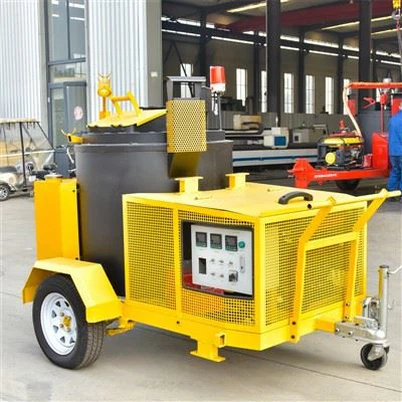
What is the impact of small cleaning vehicles on the environment?
Leave a message

In the contemporary world, environmental conservation has become an increasingly pressing concern. As a supplier of Small Cleaning Vehicle, I've witnessed firsthand the significant impact these vehicles have on the environment. This blog post aims to explore the multifaceted effects of small cleaning vehicles on the environment, from reducing pollution to enhancing overall environmental quality.
Air Quality Improvement
One of the most notable environmental benefits of small cleaning vehicles is their contribution to improving air quality. Traditional cleaning methods, such as manual sweeping or using large, diesel - powered vehicles, often generate a substantial amount of dust and particulate matter. These fine particles can remain suspended in the air for long periods, posing serious health risks to humans, including respiratory problems, heart disease, and even cancer.
Small cleaning vehicles are equipped with advanced dust - suppression systems. For example, many models use water sprayers to moisten the ground before sweeping, which effectively captures dust particles and prevents them from becoming airborne. Additionally, some vehicles are powered by electric motors or alternative fuels, such as natural gas or hydrogen. Electric small cleaning vehicles produce zero tailpipe emissions, eliminating harmful pollutants like carbon monoxide, nitrogen oxides, and particulate matter that are typically emitted by gasoline or diesel engines.
A study by the Environmental Protection Agency (EPA) has shown that replacing old, polluting cleaning vehicles with modern, eco - friendly small cleaning vehicles can significantly reduce the levels of air pollutants in urban areas. In cities where these vehicles have been introduced, there has been a noticeable decrease in smog and haze, leading to clearer skies and improved air quality for residents.
Noise Pollution Reduction
Noise pollution is another environmental issue that small cleaning vehicles can help alleviate. Large cleaning trucks and heavy - duty equipment are often very noisy, causing disturbances to both humans and wildlife. The constant rumbling and screeching of these vehicles can disrupt sleep, increase stress levels, and even lead to hearing loss over time.
Small cleaning vehicles are generally quieter than their larger counterparts. Their compact size and advanced engine technology result in lower noise emissions. Electric small cleaning vehicles, in particular, are almost silent during operation, making them ideal for use in residential areas, hospitals, schools, and other noise - sensitive locations. By reducing noise pollution, these vehicles contribute to a more peaceful and harmonious environment, allowing people to live and work without being constantly bothered by loud and intrusive sounds.
Waste Management and Recycling
Small cleaning vehicles play a crucial role in waste management and recycling efforts. They are designed to efficiently collect and transport various types of waste, including garbage, leaves, and recyclable materials. With their high - capacity hoppers and advanced sorting systems, these vehicles can separate recyclable items from general waste on the spot, facilitating the recycling process and reducing the amount of waste sent to landfills.
In addition, small cleaning vehicles can be used to clean up litter in public spaces, parks, and streets. By removing debris and waste from the environment, they prevent it from entering waterways and causing pollution. This helps to protect aquatic ecosystems and maintain the health of rivers, lakes, and oceans.


Moreover, some small cleaning vehicles are equipped with special attachments for collecting and disposing of hazardous waste, such as chemicals and batteries. This ensures that these dangerous materials are handled properly and do not pose a threat to the environment or human health.
Energy Efficiency
Energy efficiency is a key consideration in environmental protection. Small cleaning vehicles are generally more energy - efficient than larger vehicles. Their smaller size and lighter weight mean that they require less fuel or electricity to operate. Electric small cleaning vehicles, in particular, have a much higher energy efficiency compared to traditional combustion - engine vehicles. They can convert a larger percentage of the energy stored in their batteries into useful work, resulting in lower energy consumption and reduced greenhouse gas emissions.
Many small cleaning vehicles are also designed with energy - saving features, such as regenerative braking systems. These systems capture the energy generated during braking and convert it back into electricity, which can be used to recharge the vehicle's battery. By maximizing energy efficiency, small cleaning vehicles help to conserve natural resources and reduce the environmental impact associated with energy production.
Biodiversity Conservation
The use of small cleaning vehicles can also have a positive impact on biodiversity. By keeping public spaces clean and free of litter, these vehicles help to maintain the natural habitats of various plant and animal species. For example, in parks and nature reserves, small cleaning vehicles can remove debris and invasive plants, allowing native species to thrive.
In addition, the reduced noise and air pollution associated with small cleaning vehicles create a more favorable environment for wildlife. Animals are less likely to be disturbed or displaced by these vehicles, which can help to preserve their populations and promote biodiversity. In urban areas, small cleaning vehicles can contribute to the creation of green corridors and wildlife habitats, providing safe passage for animals and enhancing the overall ecological balance.
Comparison with Other Road Maintenance Vehicles
When compared to Highway Maintenance Lorry and Highway Maintenance Vehicle, small cleaning vehicles offer several unique environmental advantages. Highway maintenance lorries and vehicles are typically larger and more powerful, designed for heavy - duty tasks such as road repair and construction. While they are essential for maintaining the integrity of our road infrastructure, they also consume more fuel and emit more pollutants.
Small cleaning vehicles, on the other hand, are more focused on day - to - day cleaning and maintenance tasks. Their smaller size and lower power requirements make them more energy - efficient and environmentally friendly. They are also more maneuverable, allowing them to access narrow streets, alleys, and other hard - to - reach areas that larger vehicles cannot. This means that they can provide more comprehensive cleaning services without causing as much disruption to the environment.
Conclusion
In conclusion, small cleaning vehicles have a wide range of positive impacts on the environment. From improving air and noise quality to enhancing waste management and biodiversity conservation, these vehicles play a vital role in creating a more sustainable and eco - friendly world. As a supplier of small cleaning vehicles, I am proud to be part of this effort to protect the environment and make our communities cleaner and healthier.
If you are interested in learning more about our small cleaning vehicles or are considering purchasing them for your cleaning or maintenance needs, I encourage you to reach out for a procurement discussion. We offer a variety of models to suit different requirements and budgets, and our team of experts is ready to provide you with detailed information and support. Together, we can make a significant difference in environmental protection.
References
- Environmental Protection Agency (EPA). (Year). "Report on the Impact of Vehicle Emissions on Air Quality".
- [Study on Noise Pollution and Its Effects on Human Health]. Journal of Environmental Health, Volume XX, Issue XX.
- [Research on Energy Efficiency in Small Electric Vehicles]. International Journal of Sustainable Energy, Volume XX, Issue XX.