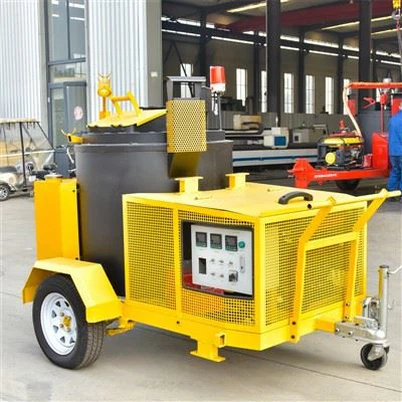
How to extend the service life of a Highway Maintenance Car?
Leave a message

As a supplier of Highway Maintenance Cars, I've witnessed firsthand the crucial role these vehicles play in keeping our roads safe and well - maintained. Prolonging the service life of a Highway Maintenance Car not only ensures cost - effectiveness but also guarantees reliable performance. Here are some key strategies to achieve this goal.


Regular Maintenance Checks
One of the most fundamental steps in extending the service life of a Highway Maintenance Car is to conduct regular maintenance checks. These checks should cover various aspects of the vehicle, including the engine, brakes, tires, and electrical systems.
The engine is the heart of the vehicle. Regular oil changes are essential to keep the engine lubricated and running smoothly. Over time, oil breaks down and loses its effectiveness, which can lead to increased friction and wear on engine components. According to industry standards, oil should be changed every 3,000 to 5,000 miles, depending on the type of engine and the driving conditions. In addition to oil changes, air filters should be inspected and replaced regularly. A clogged air filter restricts airflow to the engine, reducing its efficiency and potentially causing damage.
Brakes are another critical component. Worn brake pads can lead to longer stopping distances and pose a significant safety risk. Brake pads should be inspected at least once every six months or more frequently if the vehicle is used in heavy - traffic or mountainous areas. If the brake pads are worn beyond the recommended thickness, they should be replaced immediately.
Tires also require regular attention. Proper tire inflation is crucial for even wear and optimal fuel efficiency. Under - inflated tires increase rolling resistance, which means the engine has to work harder, consuming more fuel. Over - inflated tires, on the other hand, can lead to a harsher ride and uneven wear on the tire tread. Tires should be checked for pressure at least once a month and before long trips. Additionally, tire rotation should be performed every 5,000 to 7,500 miles to ensure even wear across all four tires.
The electrical system of the Highway Maintenance Car is responsible for powering various components such as lights, wipers, and the onboard computer. Loose connections, corroded terminals, or a weak battery can cause electrical problems. Regularly inspect the battery for signs of corrosion and ensure that the terminals are clean and tight. The battery should also be tested periodically to determine its charge level and overall health.
Proper Cleaning and Storage
Proper cleaning and storage are often overlooked but are essential for extending the service life of a Highway Maintenance Car. These vehicles are exposed to a variety of harsh elements on the road, including dirt, salt, and chemicals. If not cleaned regularly, these substances can cause corrosion and damage to the vehicle's body and components.
After each use, the vehicle should be washed thoroughly. Start by rinsing off loose dirt and debris with a high - pressure hose. Then, use a mild automotive detergent to clean the body, wheels, and undercarriage. Pay special attention to areas that are prone to corrosion, such as the wheel wells and the bottom of the vehicle. After washing, dry the vehicle completely to prevent water spots and rust.
In addition to regular washing, the vehicle's interior should also be cleaned. Vacuum the carpets and seats to remove dirt and debris. Wipe down the dashboard, steering wheel, and other surfaces with a clean, damp cloth to keep them free of dust and grime.
When it comes to storage, if the Highway Maintenance Car is not going to be used for an extended period, it should be stored in a dry, covered area. This protects the vehicle from the elements, such as rain, snow, and sunlight, which can cause damage to the paint, upholstery, and other components. If outdoor storage is unavoidable, a high - quality car cover can provide some protection.
Operator Training
Well - trained operators are key to the longevity of Highway Maintenance Cars. Operators should be familiar with the vehicle's features, controls, and maintenance requirements. They should also be trained in proper driving techniques to minimize wear and tear on the vehicle.
When starting the vehicle, operators should allow the engine to warm up for a few minutes before driving. This allows the oil to circulate throughout the engine and lubricate all the components. During operation, operators should avoid sudden starts, stops, and acceleration. Aggressive driving puts additional stress on the engine, transmission, and brakes, which can lead to premature wear.
Operators should also be aware of the vehicle's load capacity. Overloading the vehicle can cause damage to the suspension, tires, and other components. Before loading any equipment or materials onto the Highway Maintenance Car, operators should consult the vehicle's manual to determine the maximum load capacity.
Use of Quality Parts and Accessories
Using quality parts and accessories is crucial for the long - term performance of a Highway Maintenance Car. When it comes time to replace parts, such as filters, brakes, or tires, it's important to choose high - quality, OEM (Original Equipment Manufacturer) or equivalent parts. These parts are designed to fit the vehicle perfectly and meet the manufacturer's specifications.
Using inferior parts can lead to a variety of problems. For example, a low - quality air filter may not provide adequate filtration, allowing dirt and debris to enter the engine. This can cause damage to the engine's internal components and reduce its lifespan. Similarly, cheap brake pads may not provide the same level of stopping power as high - quality pads, increasing the risk of accidents.
In addition to parts, accessories can also play a role in extending the service life of the vehicle. For example, installing a mud flap can help protect the vehicle's body from dirt and debris kicked up by the tires. A high - quality windshield cover can protect the windshield from damage caused by hail or other objects.
Upgrades and Technology Integration
Incorporating the latest upgrades and technology can also help extend the service life of a Highway Maintenance Car. Newer technologies can improve the vehicle's performance, efficiency, and reliability.
For example, upgrading to a more advanced engine management system can optimize the engine's performance and reduce fuel consumption. This system can adjust the engine's parameters in real - time based on driving conditions, resulting in better overall performance and less wear on the engine.
Another area where technology can make a difference is in the vehicle's diagnostic systems. Modern diagnostic tools can quickly identify potential problems before they become major issues. This allows for timely maintenance and repairs, preventing costly breakdowns and extending the service life of the vehicle.
Some of the advanced Highway Maintenance Cars we offer, such as the Small Cleaning Vehicle, Electric Four - wheel Road Maintenance Vehicle, and New Energy Road Maintenance Vehicle, are equipped with the latest technologies to ensure long - term reliability and performance.
Conclusion
Extending the service life of a Highway Maintenance Car requires a comprehensive approach that includes regular maintenance checks, proper cleaning and storage, operator training, use of quality parts and accessories, and upgrades and technology integration. By following these strategies, you can ensure that your Highway Maintenance Car remains in top condition for years to come, providing reliable service and cost - effective operation.
If you're interested in learning more about our Highway Maintenance Cars or have any questions about extending their service life, we encourage you to contact us for a detailed discussion. Our team of experts is ready to assist you in finding the right solutions for your road maintenance needs.
References
- SAE International Handbook on Vehicle Maintenance and Repair
- Automotive Service Excellence (ASE) Guidelines for Heavy - Duty Vehicle Maintenance
- Manufacturer's Manuals for Highway Maintenance Cars