What are the safety requirements for workers during China road joint filling in tunnels?
Leave a message

Hey there! As a supplier of China road joint filling products, I've seen firsthand the importance of safety when it comes to workers filling joints in tunnels. Tunnels are unique environments with their own set of challenges, and ensuring the safety of workers is paramount. So, let's dive into what the safety requirements are for these workers.
Personal Protective Equipment (PPE)
First off, PPE is a must - have for workers doing road joint filling in tunnels. It's like their armor against potential hazards.
Head Protection
Hard hats are non - negotiable. Tunnels can have low - hanging objects, and there's always a risk of something falling from above. Whether it's debris from the tunnel ceiling or tools accidentally dropped by other workers, a hard hat can prevent serious head injuries. Workers should always make sure their hard hats fit properly and are in good condition.
Eye and Face Protection
Safety goggles or face shields are essential. When filling road joints, there's a chance of splashes from the joint - filling materials. Some of these materials can be caustic or cause irritation if they get into the eyes. So, workers need to protect their eyes and faces at all times.

Respiratory Protection
Tunnels are often poorly ventilated spaces. The fumes from the joint - filling materials can be harmful if inhaled. Workers should wear respirators that are appropriate for the type of chemicals they're working with. For example, if the joint - filling material releases volatile organic compounds (VOCs), a respirator with the right filters is necessary.
Hand and Foot Protection
Gloves are needed to protect the hands from cuts, abrasions, and chemical exposure. The joint - filling work might involve handling sharp tools or coming into contact with sticky or corrosive substances. As for feet, steel - toed boots are a must. They protect against falling objects and can prevent crushing injuries if something heavy lands on the feet.
Equipment Safety
As a supplier, I know that the right equipment is crucial for both the job and worker safety.
Machine Safety
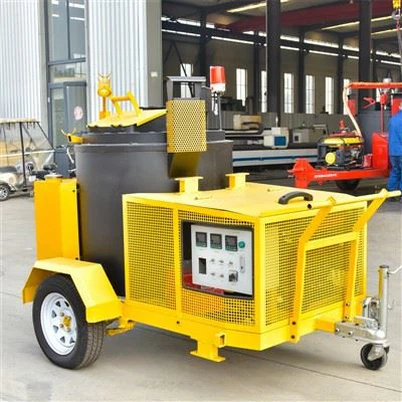
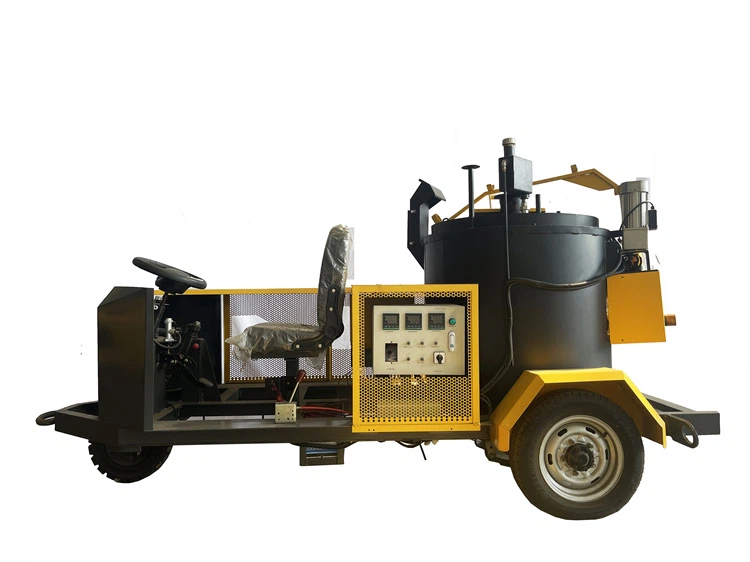
We offer a range of machines for road joint filling, like the Concrete Grouting Machine and the D520L High Quality Traction Grouting Machine. These machines need to be properly maintained and inspected before each use. Workers should be trained on how to operate them safely. For example, they need to know how to start and stop the machines correctly, how to handle any malfunctions, and how to prevent overheating.
Electrical Safety
Many of the machines used in road joint filling are electrically powered. In a tunnel environment, where there might be moisture, electrical safety is extra important. All electrical equipment should be properly grounded, and workers should be trained to recognize and avoid electrical hazards. They should never touch electrical components with wet hands or use damaged cords.
Ventilation
Tunnels can trap fumes and dust, which is why proper ventilation is so important.
Natural and Mechanical Ventilation
If possible, natural ventilation should be maximized. This can be done by keeping tunnel entrances and exits open. However, in most cases, mechanical ventilation systems are also needed. These systems can remove the fumes and dust generated during the joint - filling process. Workers should be aware of the ventilation layout in the tunnel and make sure that the ventilation systems are working properly.
Air Quality Monitoring
Regular air quality monitoring should be carried out in the tunnel. This helps to ensure that the air is safe to breathe. If the air quality drops below acceptable levels, work should be stopped until the ventilation issues are resolved.
Hazard Communication
Workers need to be informed about the hazards associated with the road joint - filling work.
Material Safety Data Sheets (MSDS)
We provide MSDS for all our joint - filling materials. These sheets contain information about the chemicals in the materials, their potential hazards, and how to handle them safely. Workers should be trained to read and understand these sheets.
Signage
Proper signage should be placed in the tunnel to indicate potential hazards. For example, signs can be used to warn about slippery floors, electrical hazards, or areas with poor ventilation.
Training and Supervision
Training
All workers involved in road joint filling in tunnels should receive comprehensive training. This includes training on PPE use, equipment operation, safety procedures, and emergency response. The training should be ongoing, as new safety regulations or techniques may emerge.
Supervision
Experienced supervisors should be on - site to oversee the work. They can ensure that workers are following safety procedures and can quickly address any safety issues that arise.
Emergency Preparedness
Emergency Plans
An emergency plan should be in place for the tunnel work. This plan should cover scenarios such as fires, chemical spills, or medical emergencies. Workers should be trained on the emergency plan and know what to do in case of an emergency.
First Aid
First - aid kits should be readily available in the tunnel. Workers should also be trained in basic first - aid techniques.
Working Conditions
Lighting
Good lighting is essential in tunnels. Poor lighting can increase the risk of accidents, such as trips, falls, and collisions. Adequate lighting should be provided throughout the work area.
Noise Control
The machines used in road joint filling can be noisy. Workers should wear hearing protection to prevent noise - induced hearing loss.
Conclusion
In conclusion, the safety requirements for workers during China road joint filling in tunnels are extensive. From PPE to equipment safety, ventilation, and emergency preparedness, every aspect needs to be carefully considered. As a supplier, we're committed to providing high - quality products like the Joint Filling Machine and ensuring that our customers are well - informed about safety.
If you're in the market for road joint - filling products and want to discuss your specific needs, feel free to reach out. We're here to help you with all your road joint - filling requirements and ensure that your workers stay safe on the job.
References
- Occupational Safety and Health Administration (OSHA) guidelines on construction safety in confined spaces.
- Industry standards for road joint - filling materials and equipment.