What are the requirements for the viscosity of road joint filling materials?
Leave a message

Hey there! I'm a supplier of road joint filling materials, and I've been in this business for quite a while. One question that often pops up is, "What are the requirements for the viscosity of road joint filling materials?" Well, let's dive right into it.
First off, what the heck is viscosity? Simply put, viscosity is a measure of a fluid's resistance to flow. Think of honey and water. Honey has a high viscosity, so it flows slowly, while water has a low viscosity and flows easily. In the world of road joint filling, viscosity plays a crucial role.
Why Viscosity Matters
The viscosity of road joint filling materials affects how well they can be applied and how they perform over time. If the viscosity is too high, the material might be difficult to pump and spread evenly in the joints. It could also lead to air bubbles getting trapped, which can weaken the seal. On the other hand, if the viscosity is too low, the material might flow out of the joints before it has a chance to set, or it might not provide enough support to withstand traffic loads.
Application Requirements
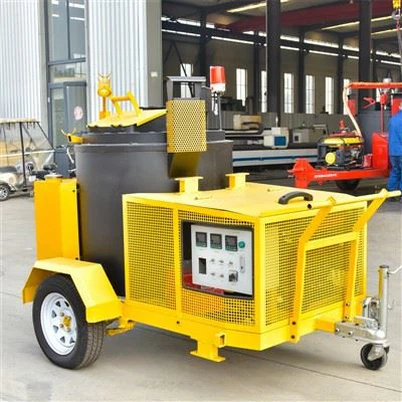
When it comes to applying road joint filling materials, the viscosity needs to be just right. Most of the time, we use machines to apply these materials. For example, a Joint Filling Machine is a common tool in our industry. This machine pumps the filling material into the joints, and if the viscosity is too high, the machine might struggle to push the material through the hoses and nozzles. It could also cause uneven application, leaving some parts of the joint under - filled.
On the other hand, a low - viscosity material can be easily pumped, but it might run out of the joint before it sets. This is especially true for vertical or inclined joints. We don't want our hard - work to go to waste, right? So, we need a viscosity that allows for smooth pumping and even spreading, but also keeps the material in place until it cures.
Performance Requirements
Once the road joint filling material is applied, it needs to perform well under different conditions. High - traffic roads experience a lot of stress from vehicles, and the filling material needs to be able to withstand this stress. A material with the right viscosity will have good adhesion to the sides of the joint, which helps it stay in place and resist being pushed out by traffic.
Temperature also plays a big role. In hot weather, the viscosity of the material might decrease, making it more likely to flow. If the initial viscosity is too low, the material could become too runny and lose its shape. In cold weather, the viscosity might increase, and if it was already on the high side, the material could become brittle and crack.
Industry Standards
There are industry standards that specify the acceptable range of viscosity for road joint filling materials. These standards take into account the type of road, the expected traffic volume, and the local climate. For example, for highways with heavy traffic, the viscosity requirements might be more strict compared to rural roads with light traffic.
Manufacturers usually test their products to make sure they meet these standards. As a supplier, I work closely with manufacturers to ensure that the materials I offer are up to par. We conduct regular quality checks to make sure the viscosity is within the acceptable range.
Types of Road Joint Filling Materials and Their Viscosity
There are different types of road joint filling materials, such as asphalt - based, silicone - based, and polyurethane - based materials. Each type has its own typical viscosity range.
Asphalt - Based Materials
Asphalt - based joint filling materials are quite popular because they are relatively inexpensive and have good adhesion to asphalt surfaces. The viscosity of asphalt - based materials can vary depending on the formulation. Usually, they have a medium to high viscosity at normal application temperatures. We often use an Asphalt Crack sealing Machine to apply these materials. The machine is designed to handle the relatively thick consistency of asphalt - based fillers.


Silicone - Based Materials
Silicone - based materials are known for their excellent weather resistance and flexibility. They typically have a lower viscosity compared to asphalt - based materials. This lower viscosity allows them to flow easily into small cracks and joints, providing a tight seal. However, because of their low viscosity, they need to be applied carefully to prevent them from running out of the joints.
Polyurethane - Based Materials
Polyurethane - based road joint filling materials offer a good balance between flexibility and strength. Their viscosity can be adjusted during the manufacturing process. They can be formulated to have a viscosity that is suitable for different application methods and conditions.
Testing Viscosity
Testing the viscosity of road joint filling materials is an important part of the quality control process. There are different methods to measure viscosity, such as the Brookfield viscometer method. This method involves rotating a spindle in the material and measuring the torque required to turn the spindle at a certain speed. The higher the torque, the higher the viscosity.
As a supplier, I make sure that the materials I offer have been properly tested for viscosity. I also provide technical support to my customers, helping them choose the right material based on their specific needs.
Impact of Viscosity on Cost
The viscosity of road joint filling materials can also affect the cost. Materials with a higher viscosity might require more energy to pump and apply, which can increase the labor and equipment costs. On the other hand, materials with a very low viscosity might require more frequent applications because they are more likely to flow out of the joints. So, finding the right balance is not only important for performance but also for cost - effectiveness.
Conclusion
In conclusion, the viscosity of road joint filling materials is a critical factor that affects both the application and performance of these materials. We need to consider factors like application method, traffic conditions, temperature, and industry standards when determining the appropriate viscosity.
As a supplier, I'm committed to providing high - quality road joint filling materials with the right viscosity for different applications. Whether you're working on a small local road or a major highway, I can help you find the perfect material for your project.
If you're in the market for road joint filling materials or the equipment to apply them, such as a Used Crack sealing Machine, don't hesitate to reach out. I'm here to answer your questions and discuss your specific requirements. Let's work together to ensure your road joint filling project is a success!
References
- ASTM International. Standard test methods for determining viscosity of materials.
- Transportation Research Board. Guidelines for selecting road joint filling materials.
- Industry reports on the performance of different road joint filling materials.