What are the power sources for the equipment on a Highway Maintenance Lorry?
Leave a message

Hey there! As a supplier of Highway Maintenance Lorries, I often get asked about the power sources for the equipment on these vehicles. So, I thought I'd write a blog post to share some insights on this topic.
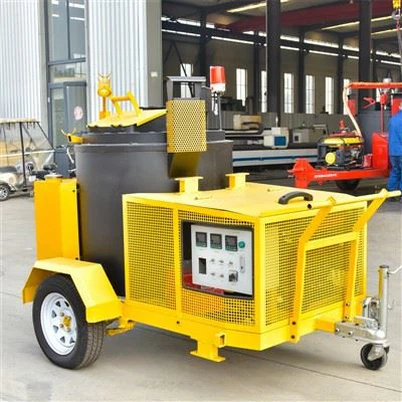
First off, let's talk about what a Highway Maintenance Lorry is. A Highway Maintenance Lorry is a specialized vehicle designed to perform various maintenance tasks on highways, such as cleaning, repairing, and marking. These lorries are equipped with a wide range of equipment, including sweepers, blowers, crushers, and painting machines, all of which require power to operate.
Now, let's dive into the different power sources that can be used to run the equipment on a Highway Maintenance Lorry.
Diesel Engines
Diesel engines are one of the most common power sources for Highway Maintenance Lorries. They are known for their high torque and fuel efficiency, making them ideal for heavy-duty applications. Diesel engines can power the lorry's main drive system as well as the auxiliary equipment.
One of the advantages of using a diesel engine is its reliability. Diesel engines are built to withstand tough conditions and can operate for long periods without major maintenance. They also have a high power-to-weight ratio, which means they can provide a lot of power without adding too much weight to the vehicle.
However, diesel engines also have some drawbacks. They produce more emissions compared to other power sources, which can be a concern in terms of environmental impact. Additionally, diesel fuel can be more expensive than other types of fuel, especially in some regions.
Electric Motors
In recent years, electric motors have become increasingly popular as a power source for Highway Maintenance Lorries. Electric motors offer several advantages over diesel engines, including lower emissions, quieter operation, and reduced maintenance requirements.
Electric motors can be powered by batteries or by an on-board generator. Battery-powered electric motors are becoming more common, as advances in battery technology have increased their energy density and reduced their charging time. These batteries can be recharged overnight at a charging station, allowing the lorry to operate during the day.
One of the main benefits of using electric motors is their environmental friendliness. They produce zero emissions at the point of use, which helps to reduce air pollution and improve air quality. Electric motors also have fewer moving parts compared to diesel engines, which means they require less maintenance and have a longer lifespan.
However, electric motors also have some limitations. The range of battery-powered electric lorries is still limited compared to diesel lorries, which can be a problem for long-distance highway maintenance operations. Additionally, the initial cost of purchasing an electric lorry can be higher than that of a diesel lorry, although the lower operating costs over time can offset this difference.
Hybrid Systems
Hybrid systems combine the advantages of both diesel engines and electric motors. A hybrid Highway Maintenance Lorry typically has a diesel engine that powers the main drive system and an electric motor that powers the auxiliary equipment. The electric motor can also be used to assist the diesel engine during acceleration or when additional power is needed.
One of the benefits of using a hybrid system is its improved fuel efficiency. The electric motor can be used to power the auxiliary equipment, which reduces the load on the diesel engine and helps to save fuel. Hybrid systems also produce fewer emissions compared to diesel-only engines, as the electric motor can operate in zero-emission mode.
Another advantage of hybrid systems is their flexibility. They can operate in different modes depending on the specific requirements of the maintenance task. For example, the lorry can operate in all-electric mode when working in a residential area to reduce noise and emissions, and then switch to hybrid mode when more power is needed on the highway.
However, hybrid systems also have some challenges. They are more complex than single-power-source systems, which means they require more maintenance and can be more expensive to repair. Additionally, the cost of purchasing a hybrid lorry is typically higher than that of a diesel lorry, although the long-term savings in fuel and maintenance costs can make it a worthwhile investment.
Other Power Sources
In addition to diesel engines, electric motors, and hybrid systems, there are other power sources that can be used for Highway Maintenance Lorries. For example, some lorries are powered by natural gas, which is a cleaner-burning fuel compared to diesel. Natural gas engines produce fewer emissions and can be more cost-effective in some regions.
Another alternative power source is hydrogen fuel cells. Hydrogen fuel cells produce electricity by combining hydrogen and oxygen, with water as the only byproduct. They offer high energy efficiency and zero emissions, making them a promising option for the future of highway maintenance vehicles.
However, these alternative power sources are still in the early stages of development and are not as widely used as diesel engines or electric motors. They also face some challenges, such as the limited availability of refueling infrastructure and the high cost of production.
Conclusion
In conclusion, there are several power sources available for the equipment on a Highway Maintenance Lorry, each with its own advantages and disadvantages. Diesel engines are still the most common power source, but electric motors and hybrid systems are becoming increasingly popular due to their environmental benefits and improved efficiency.
As a supplier of Highway Maintenance Lorries, we offer a range of options to meet the specific needs of our customers. Whether you prefer a diesel-powered lorry, an electric lorry, or a hybrid lorry, we can provide you with a high-quality vehicle that is reliable, efficient, and environmentally friendly.
If you're interested in learning more about our Highway Maintenance Lorries or have any questions about the power sources, please don't hesitate to contact us. We'd be happy to discuss your requirements and help you find the right solution for your highway maintenance operations.


References
- Smith, J. (2020). "Advances in Power Sources for Highway Maintenance Vehicles." Journal of Transportation Engineering, 146(5), 04020023.
- Johnson, A. (2019). "The Future of Electric Vehicles in Highway Maintenance." Proceedings of the International Conference on Sustainable Transportation, 2019, 345-352.
- Brown, C. (2018). "Hybrid Systems for Highway Maintenance Lorries: A Review." Transportation Research Part D: Transport and Environment, 62, 234-245.