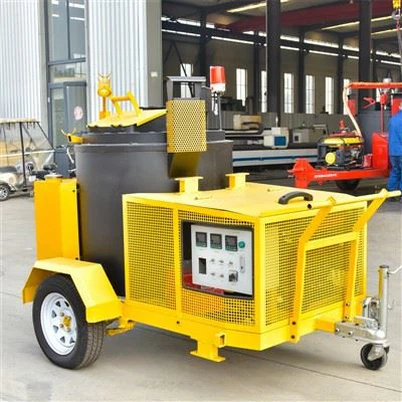
What are the maintenance costs of a road repair vehicle?
Leave a message

What are the maintenance costs of a road repair vehicle?
As a supplier of Road Repair Vehicles, I often encounter inquiries from customers about the maintenance costs associated with these essential pieces of equipment. Understanding these costs is crucial for budget planning and ensuring the long - term efficiency of road repair operations. In this blog, I'll break down the various factors that contribute to the maintenance costs of road repair vehicles.
1. Routine Maintenance
Routine maintenance is the foundation of keeping a road repair vehicle in good working condition. This includes tasks such as oil changes, filter replacements, and tire rotations.
Oil Changes: Just like any other vehicle, road repair vehicles require regular oil changes to lubricate the engine and prevent wear and tear. The frequency of oil changes depends on the vehicle's make, model, and usage. For heavy - duty road repair vehicles that are in constant operation, oil changes may be needed every 3,000 - 5,000 miles. The cost of an oil change can range from $100 to $300, depending on the type of oil used and the labor costs at the service center.
Filter Replacements: Air filters, fuel filters, and oil filters need to be replaced periodically to ensure proper engine performance. A clogged air filter can reduce fuel efficiency and engine power, while a dirty fuel filter can cause fuel delivery problems. The cost of filter replacements is relatively low, usually between $20 and $50 per filter, but considering that multiple filters need to be replaced, it can add up over time.
Tire Rotations: Road repair vehicles often carry heavy loads and operate on rough terrains, which can cause uneven tire wear. Regular tire rotations help to extend the life of the tires. The cost of a tire rotation is typically around $50 - $100, depending on the number of tires and the complexity of the vehicle's suspension system.
2. Component Replacements
Over time, certain components of a road repair vehicle will wear out and need to be replaced.
Brakes: The braking system is one of the most critical components of any vehicle, and road repair vehicles are no exception. Brake pads, rotors, and calipers may need to be replaced due to normal wear. The cost of a brake job can vary widely, from $200 for a simple brake pad replacement to over $1,000 for a more comprehensive brake system overhaul, depending on the vehicle's size and the quality of the replacement parts.
Transmission: The transmission is responsible for transferring power from the engine to the wheels. If the transmission fails, it can be a very expensive repair. A transmission replacement can cost anywhere from $2,000 to $5,000 or more, depending on the type of transmission (manual or automatic) and the vehicle's make and model.

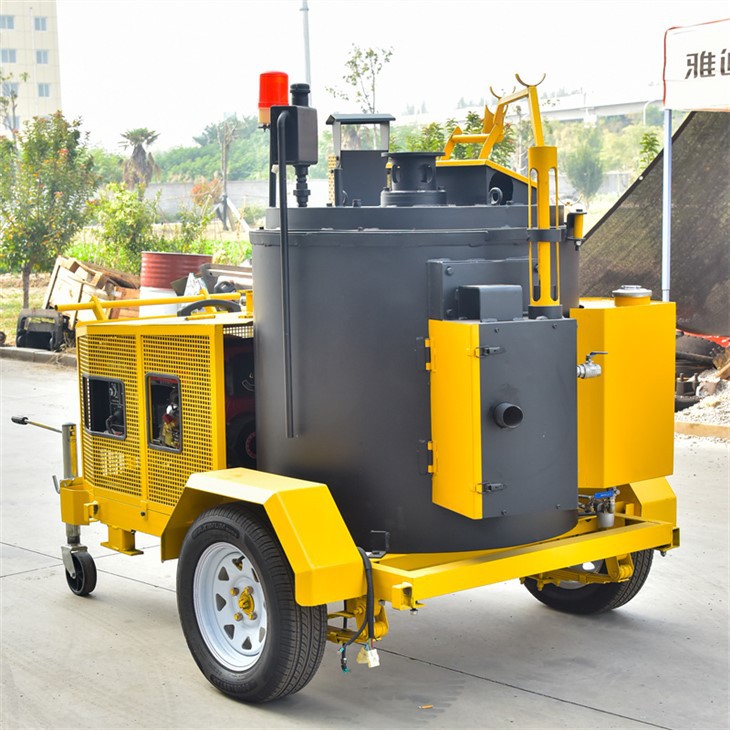
Hydraulic Systems: Many road repair vehicles use hydraulic systems for functions such as lifting, dumping, and operating specialized equipment. Hydraulic hoses, pumps, and cylinders can develop leaks or fail over time. The cost of repairing or replacing hydraulic components can range from a few hundred dollars for a simple hose replacement to several thousand dollars for a major pump or cylinder replacement.
3. Specialized Equipment Maintenance
Road repair vehicles are often equipped with specialized equipment for tasks such as asphalt spraying, crack sealing, and pothole repair.
Asphalt Tanks: For Asphalt Recycling and Maintenance Vehicle 2000L, the asphalt tank needs to be cleaned regularly to prevent asphalt buildup, which can affect the quality of the asphalt and the performance of the spraying system. The cost of cleaning an asphalt tank can range from $200 to $500, depending on the size of the tank and the complexity of the cleaning process.
Crack Sealing Equipment: Crack sealing machines require regular maintenance to ensure proper operation. This includes cleaning the sealing gun, replacing worn nozzles, and checking the heating elements. The cost of maintaining crack sealing equipment can vary, but it is typically in the range of $100 - $300 per maintenance session.
4. Labor Costs
Labor costs are a significant part of the maintenance expenses. The hourly rate for a mechanic can vary depending on the location, the mechanic's experience, and the complexity of the repair. In some areas, the hourly labor rate can be as low as $50, while in more urban or specialized areas, it can exceed $100 per hour.
5. Downtime Costs
In addition to the direct maintenance costs, there are also indirect costs associated with vehicle downtime. When a road repair vehicle is out of service for maintenance or repair, it can disrupt road repair projects and lead to lost productivity. The cost of downtime can be difficult to quantify, but it can be substantial, especially for large - scale road repair operations.
6. Preventive Maintenance Programs
To reduce maintenance costs in the long run, many road repair vehicle owners opt for preventive maintenance programs. These programs typically involve regular inspections, scheduled maintenance tasks, and early detection of potential problems. While there is an upfront cost associated with enrolling in a preventive maintenance program, it can save money in the long term by avoiding costly breakdowns and major repairs.
7. Impact of Vehicle Type
The type of road repair vehicle also has a significant impact on maintenance costs. For example, an Electric Four - wheel Road Maintenance Vehicle generally has lower maintenance costs compared to a traditional diesel - powered vehicle. Electric vehicles have fewer moving parts, which means there are fewer components that can wear out and need to be replaced. Additionally, the cost of electricity is often lower than the cost of diesel fuel, resulting in lower operating costs.
In conclusion, the maintenance costs of a road repair vehicle can vary widely depending on factors such as routine maintenance, component replacements, specialized equipment maintenance, labor costs, and vehicle type. As a Road Repair Vehicle supplier, I understand the importance of providing accurate information about maintenance costs to our customers. By being aware of these costs, road repair contractors can make informed decisions about vehicle purchases, maintenance schedules, and budget planning.
If you are in the market for a road repair vehicle or need more information about maintenance costs, I encourage you to contact us for a detailed discussion. We are committed to providing high - quality road repair vehicles and comprehensive support to help you keep your operations running smoothly.
References
- Automotive Maintenance and Repair Association (AMRA) publications on vehicle maintenance costs.
- Industry reports on road repair vehicle maintenance and operation.