What are the measures to prevent aging of China road joint filling materials?
Leave a message

Hey there! As a supplier of China road joint filling materials, I've seen firsthand how important it is to keep these materials in top - notch condition. Road joint filling materials play a crucial role in maintaining the integrity of roads. They prevent water infiltration, debris accumulation, and help distribute loads evenly across the pavement. But one big challenge we face is the aging of these materials. So, let's dig into some measures to prevent that.
1. Material Selection
First off, choosing the right materials is key. We've got a variety of options out there, like asphalt - based, rubber - modified, and silicone - based joint filling materials. Each has its own pros and cons when it comes to aging resistance.
Asphalt - based materials are widely used because they're relatively inexpensive and easy to apply. However, they can be prone to oxidation and hardening over time. To combat this, we can use polymer - modified asphalt. The polymers add flexibility and durability, making the material more resistant to cracking and aging. For example, SBS (Styrene - Butadiene - Styrene) modified asphalt has become a popular choice in recent years. It can withstand temperature variations better and has a longer service life compared to traditional asphalt.
Rubber - modified joint filling materials are another great option. They have excellent elasticity, which allows them to expand and contract with the road surface as temperatures change. This reduces the stress on the material and helps prevent cracking. Plus, rubber has good resistance to UV radiation, which is one of the main causes of aging in road materials.


Silicone - based materials are known for their high - temperature resistance and long - term durability. They don't harden or crack easily, even in extreme weather conditions. Although they're more expensive than asphalt - based materials, their long - term performance can make them a cost - effective choice in the long run.
2. Proper Installation
Even the best materials won't last long if they're not installed correctly. Proper installation is crucial for preventing premature aging.
First, the joints need to be clean and dry before applying the filling material. Any dirt, dust, or moisture can reduce the adhesion of the material and lead to early failure. We can use a Hand Pushed Seam asphalt sealing machine to clean the joints effectively. This machine can blow out debris and dry the joints quickly, ensuring a good bond between the filling material and the road surface.
The temperature during installation also matters a lot. Most joint filling materials have a recommended application temperature range. If the temperature is too low, the material may not flow properly and won't fill the joints completely. On the other hand, if it's too high, the material may start to break down and lose its properties. We usually use a FAGF200 Asphalt Crack Sealing Machine which has temperature control features to ensure the material is applied at the right temperature.
The depth and width of the joint filling are also important. The filling should be deep enough to provide adequate support and prevent water from seeping in. At the same time, it shouldn't be over - filled, as this can cause the material to bulge out and be more susceptible to damage.
3. Regular Maintenance
Regular maintenance is essential for keeping road joint filling materials in good condition.
Inspections should be carried out regularly to check for signs of aging, such as cracking, shrinking, or loss of adhesion. If any issues are detected early, they can be repaired quickly to prevent further damage. For example, if a small crack is found, we can use a patching material to fill it before it gets worse.
Cleaning the joints regularly is also important. Debris, leaves, and dirt can accumulate in the joints over time, which can cause the filling material to deteriorate. We can use a high - pressure air blower or a vacuum cleaner to remove the debris.
In addition, applying a protective coating to the joint filling material can help extend its lifespan. There are various types of coatings available, such as acrylic - based and epoxy - based coatings. These coatings can provide an extra layer of protection against UV radiation, water, and chemicals.
4. Environmental Protection
The environment has a significant impact on the aging of road joint filling materials. We need to take steps to protect these materials from environmental factors.
UV radiation is one of the main culprits. It can cause the material to harden, crack, and lose its elasticity. To protect against UV radiation, we can use materials with UV - resistant additives or apply a UV - protective coating.
Water is another major problem. It can seep into the joints and cause the filling material to deteriorate. Proper drainage systems should be in place to ensure that water doesn't accumulate in the joints. If there are any low - lying areas on the road where water tends to collect, we may need to improve the drainage or add additional joint filling to prevent water from getting in.
Chemical exposure can also affect the aging of road joint filling materials. For example, oil, gasoline, and de - icing salts can damage the material. In areas where there is a high risk of chemical exposure, we can use chemical - resistant joint filling materials.
5. Use of Advanced Equipment
Using advanced equipment can also help prevent the aging of road joint filling materials.
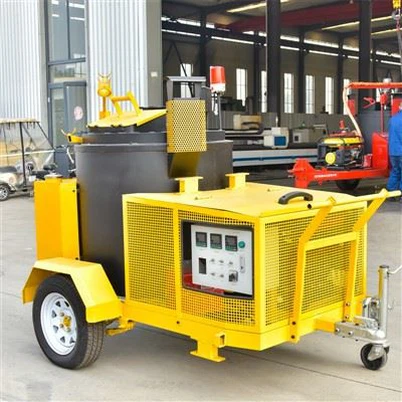
For example, Vehicle Mounted Asphalt Grouting Machine can ensure a more uniform and efficient application of the filling material. These machines can heat the material to the right temperature and pump it into the joints at a consistent rate. This results in a better - quality filling that is more resistant to aging.
Advanced mixing equipment can also improve the quality of the joint filling material. By ensuring that the components are mixed thoroughly, we can get a more homogeneous material with better performance.
In conclusion, preventing the aging of China road joint filling materials requires a combination of proper material selection, correct installation, regular maintenance, environmental protection, and the use of advanced equipment. As a supplier, we're committed to providing high - quality materials and solutions to our customers. If you're in the market for road joint filling materials or need more information about preventing their aging, don't hesitate to contact us for a purchase negotiation. We're here to help you keep your roads in the best possible condition.
References
- "Pavement Joint Filler Technology and Performance" by Transportation Research Board
- "Asphalt Materials Science and Technology" by John W. Kennedy