What are the impacts of heavy vehicles on China road joint filling?
Leave a message

Hey there! As a supplier of China road joint filling, I've seen firsthand the impacts that heavy vehicles can have on our road infrastructure. In this blog post, I'm gonna share some insights on how these big rigs affect road joint filling and what we can do about it.
The Basics of Road Joint Filling
Before we dive into the impacts of heavy vehicles, let's quickly go over what road joint filling is and why it's important. Road joints are the gaps between concrete or asphalt pavement slabs that allow for expansion and contraction due to temperature changes. These joints need to be filled with a suitable material to prevent water, debris, and other contaminants from entering and causing damage to the pavement structure.
There are different types of road joint filling materials available, including asphalt-based sealants, silicone sealants, and polyurethane sealants. Each material has its own advantages and disadvantages, but the goal is to provide a durable and flexible seal that can withstand the stresses of traffic and environmental conditions.

Impacts of Heavy Vehicles on Road Joint Filling
Heavy vehicles, such as trucks, buses, and construction equipment, exert a significant amount of pressure on the road surface. This pressure can cause several issues for road joint filling, including:
1. Compression and Deformation
When a heavy vehicle passes over a road joint, the weight of the vehicle compresses the joint filling material. Over time, this repeated compression can cause the material to deform and lose its ability to provide a proper seal. Deformed joint filling can lead to water infiltration, which can further damage the pavement structure and cause potholes and other surface defects.
2. Shearing Forces
In addition to compression, heavy vehicles also generate shearing forces as they move across the road surface. These forces can cause the joint filling material to shift and crack, especially if the material is not properly adhered to the pavement. Cracks in the joint filling can allow water and debris to enter the joint, accelerating the deterioration of the pavement.
3. Abrasion
The tires of heavy vehicles can also cause abrasion to the road joint filling. As the tires roll over the joint, they can wear away the surface of the filling material, reducing its thickness and effectiveness. Abrasion can be particularly problematic in areas with high traffic volume or where heavy vehicles frequently make turns or stops.
4. Thermal Stress
Heavy vehicles can also contribute to thermal stress in road joint filling. The heat generated by the vehicle's engine and brakes can cause the pavement temperature to rise, which can lead to expansion of the joint filling material. If the material is not able to expand and contract properly, it can crack or separate from the pavement, allowing water and debris to enter.
How to Mitigate the Impacts of Heavy Vehicles
As a road joint filling supplier, we understand the importance of providing solutions that can withstand the impacts of heavy vehicles. Here are some strategies that can help mitigate the effects of heavy traffic on road joint filling:
1. Choose the Right Material
Selecting the appropriate road joint filling material is crucial for ensuring long-term performance. Look for materials that are specifically designed to withstand the stresses of heavy traffic, such as high-quality asphalt-based sealants or polyurethane sealants. These materials offer excellent flexibility, adhesion, and resistance to compression, shearing, and abrasion.
2. Proper Installation
Proper installation is key to the success of road joint filling. Make sure the joint is clean and dry before applying the filling material, and follow the manufacturer's instructions carefully. Use the right tools and techniques to ensure a uniform and consistent application, and allow the material to cure properly before opening the road to traffic.
3. Regular Maintenance
Regular maintenance is essential for keeping road joint filling in good condition. Inspect the joints regularly for signs of damage or deterioration, and repair any cracks or gaps as soon as possible. Consider applying a protective coating or sealant to the joint filling to extend its lifespan and improve its resistance to heavy traffic.
4. Use of Specialized Equipment
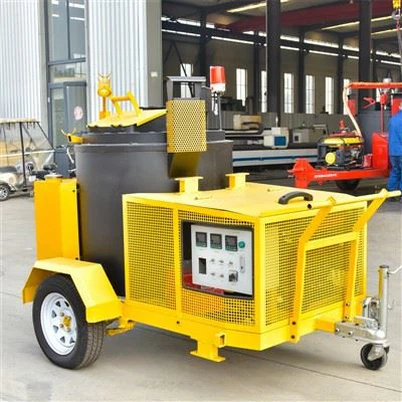
Investing in specialized equipment can also help improve the performance of road joint filling in areas with heavy traffic. For example, an Asphalt Crack sealing Machine can be used to apply the filling material quickly and efficiently, while an Asphalt Pavement Thermal Regeneration Repair Vehicle can be used to repair damaged pavement and restore the integrity of the road surface.
5. Consider the Traffic Patterns
When planning road joint filling projects, it's important to consider the traffic patterns in the area. Identify areas with high traffic volume or where heavy vehicles frequently travel, and prioritize these areas for joint filling. You may also want to consider using different types of joint filling materials or techniques in these areas to ensure maximum durability and performance.
Our Products for Road Joint Filling
At our company, we offer a range of high-quality road joint filling products and equipment to meet the needs of our customers. Our products are designed to provide long-lasting protection against the impacts of heavy vehicles and other environmental factors. Here are some of our popular products:
- Asphalt Crack sealing Machine: Our Asphalt Crack sealing Machine is a versatile and efficient tool for filling cracks in asphalt pavement. It features a high-pressure pump and a heated hose to ensure a smooth and consistent application of the filling material.
- Asphalt Pavement Thermal Regeneration Repair Vehicle: Our Asphalt Pavement Thermal Regeneration Repair Vehicle is a state-of-the-art machine that uses thermal energy to heat and recycle damaged asphalt pavement. It can repair potholes, cracks, and other surface defects quickly and efficiently, without the need for expensive and time-consuming excavation.
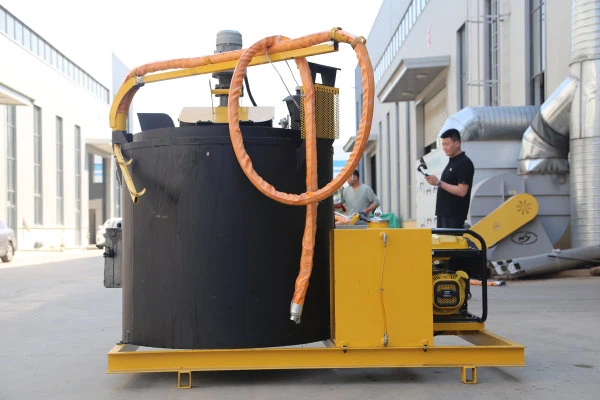
- 500L Traction Grouting Truck: Our 500L Traction Grouting Truck is a powerful and reliable vehicle for grouting and filling joints in concrete pavement. It features a large capacity tank and a high-pressure pump to ensure a consistent and accurate application of the grouting material.
Contact Us for Road Joint Filling Solutions
If you're looking for high-quality road joint filling products and equipment, look no further than our company. We have the expertise and experience to provide you with the best solutions for your road maintenance needs. Whether you're a government agency, a construction company, or a private property owner, we can help you keep your roads in top condition.
Contact us today to learn more about our products and services, and to discuss your road joint filling requirements. We're here to help you find the right solutions for your project, and to ensure your satisfaction with our products and services.
References
- Smith, J. (2020). The Impact of Heavy Vehicles on Road Infrastructure. Journal of Transportation Engineering, 146(5), 04020023.
- Johnson, R. (2019). Road Joint Filling: Best Practices and Materials. Proceedings of the International Conference on Road Maintenance and Rehabilitation, 2019, 123-130.
- Brown, S. (2018). Mitigating the Effects of Heavy Traffic on Road Joint Filling. Transportation Research Record, 2672(1), 1-8.