How to maintain road joint filling?
Leave a message

Maintaining road joint filling is a crucial aspect of road infrastructure management. As a leading road joint filling supplier, I understand the significance of proper maintenance to ensure the longevity and performance of road surfaces. In this blog post, I will share some valuable insights and practical tips on how to maintain road joint filling effectively.
Understanding the Importance of Road Joint Filling
Road joint filling serves several important functions. Firstly, it helps to prevent water infiltration into the road structure. Water can cause significant damage to the underlying layers of the road, leading to potholes, cracks, and other forms of deterioration. By sealing the joints, we can keep water out and protect the road from moisture-related damage.

Secondly, road joint filling helps to reduce the impact of traffic loads on the road surface. As vehicles pass over the joints, the filling material absorbs and distributes the stress, preventing the joints from widening and the road surface from cracking. This helps to maintain a smooth and safe driving surface for motorists.
Finally, road joint filling can enhance the aesthetic appearance of the road. A well-maintained road with properly filled joints looks more professional and inviting, which can have a positive impact on the overall image of the area.
Factors Affecting Road Joint Filling Performance
Several factors can affect the performance of road joint filling. Understanding these factors is essential for developing an effective maintenance strategy.
- Temperature: Temperature plays a significant role in the behavior of the joint filling material. Most joint filling materials are sensitive to temperature changes, and their performance can be affected by extreme heat or cold. For example, in hot weather, the material may become soft and flow out of the joints, while in cold weather, it may become brittle and crack.
- Traffic Load: The amount and type of traffic on the road can also affect the performance of the joint filling. Heavy traffic, especially trucks and other large vehicles, can exert significant stress on the joints, causing the filling material to wear out more quickly. Additionally, the frequency of traffic can also impact the joint filling, as repeated loading and unloading can cause the material to fatigue and fail.
- Environmental Conditions: Environmental conditions such as sunlight, moisture, and chemicals can also affect the performance of the joint filling. Sunlight can cause the material to degrade over time, while moisture can cause it to swell and lose its adhesion. Chemicals such as oil, gasoline, and de-icing salts can also damage the joint filling material, reducing its effectiveness.
- Joint Design: The design of the joint itself can also affect the performance of the joint filling. Proper joint design is essential for ensuring that the filling material can expand and contract with temperature changes without cracking or popping out of the joints. Additionally, the width and depth of the joint can also impact the performance of the filling material, as a too-narrow or too-shallow joint may not provide enough space for the material to function properly.
Best Practices for Road Joint Filling Maintenance
Based on my experience as a road joint filling supplier, I have identified several best practices for maintaining road joint filling. These practices can help to ensure the long-term performance of the joint filling and minimize the need for costly repairs and replacements.
- Regular Inspection: Regular inspection is the first step in maintaining road joint filling. Inspect the joints at least once a year, or more frequently in areas with heavy traffic or extreme environmental conditions. Look for signs of damage, such as cracks, gaps, or missing filling material. If you notice any problems, take immediate action to repair them.
- Cleaning: Keeping the joints clean is essential for maintaining the performance of the joint filling. Remove any debris, dirt, or vegetation from the joints using a broom, blower, or pressure washer. This will help to prevent the buildup of materials that can damage the joint filling and reduce its effectiveness.
- Sealing: If you notice any cracks or gaps in the joint filling, it is important to seal them as soon as possible. Use a high-quality joint sealing material that is compatible with the existing filling material and the environmental conditions. Apply the sealing material according to the manufacturer's instructions, making sure to fill the cracks completely and smooth the surface.
- Replacement: Over time, the joint filling material may wear out or become damaged beyond repair. In these cases, it may be necessary to replace the joint filling. When replacing the joint filling, make sure to use a high-quality material that is suitable for the specific application and environmental conditions. Additionally, follow the manufacturer's instructions carefully to ensure proper installation.
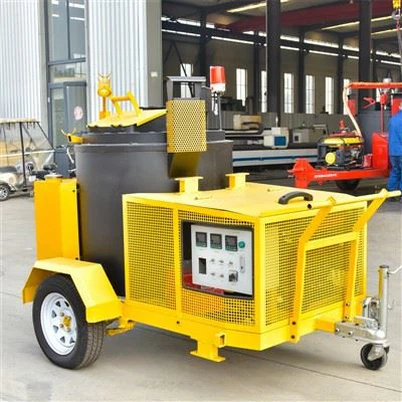
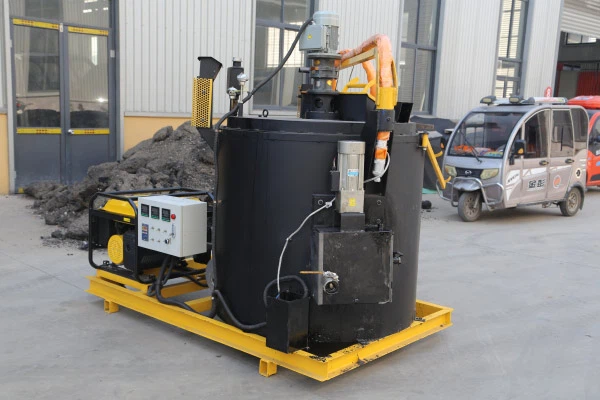
- Use of Appropriate Equipment: Using the appropriate equipment is essential for maintaining road joint filling. For example, an Asphalt Crack sealing Machine can be used to apply the joint filling material quickly and efficiently, while a FAGF100 Pavement Sealing Machine can be used to seal larger joints and cracks. Additionally, a 800L Self-propelled Seam sealing Truck can be used to transport and apply the joint filling material over long distances.
Conclusion
Maintaining road joint filling is an important part of road infrastructure management. By understanding the factors that affect joint filling performance and following best practices for maintenance, we can ensure the long-term performance of the joint filling and minimize the need for costly repairs and replacements. As a road joint filling supplier, I am committed to providing high-quality products and services to help our customers maintain their road infrastructure. If you have any questions or need assistance with road joint filling maintenance, please do not hesitate to contact us. We would be happy to discuss your specific needs and provide you with a customized solution.
References
- "Guide for Design, Construction, and Maintenance of Joints in Concrete Pavements" by the American Concrete Paving Association
- "Pavement Preservation Manual" by the Federal Highway Administration
- "Sealants for Highway and Airfield Pavements" by the National Cooperative Highway Research Program