What are the effects of aging on China road joint filling materials?
Leave a message

Aging is an inevitable natural process that exerts a profound influence on various materials, including those used for road joint filling in China. As a dedicated China road joint filling supplier, I've witnessed firsthand how aging impacts these materials and the subsequent effects on road infrastructure. In this blog, I'll delve into the multifaceted effects of aging on China road joint filling materials, exploring the challenges it poses and the solutions we can adopt.
Physical and Chemical Changes
Over time, road joint filling materials in China undergo significant physical and chemical changes due to aging. These changes are primarily driven by exposure to environmental factors such as sunlight, temperature fluctuations, moisture, and traffic loads.
One of the most noticeable physical changes is the hardening and embrittlement of the joint filling materials. As they age, the materials lose their flexibility and become more rigid, which reduces their ability to accommodate the movement of the road surface caused by temperature variations and traffic. This can lead to cracking and spalling of the joint filling, allowing water and debris to penetrate the joints and cause further damage to the road structure.
Chemically, aging can cause oxidation and degradation of the joint filling materials. Oxidation occurs when the materials react with oxygen in the air, leading to the formation of new chemical compounds that can alter the material's properties. For example, oxidation can cause the material to become more brittle and less adhesive, reducing its ability to bond effectively with the road surface. Degradation can also occur due to exposure to moisture, which can cause the material to swell, soften, or dissolve over time.
Impact on Performance
The physical and chemical changes brought about by aging have a direct impact on the performance of road joint filling materials in China. These impacts can be observed in several key areas:
- Sealing Performance: One of the primary functions of road joint filling materials is to provide a watertight seal that prevents water and debris from entering the joints. As the materials age and become more brittle, they are more likely to crack and fail, compromising the sealing performance. This can lead to water infiltration, which can cause damage to the road base and subgrade, resulting in potholes, rutting, and other forms of pavement distress.
- Adhesion: Good adhesion between the joint filling material and the road surface is essential for maintaining the integrity of the joint. Aging can reduce the adhesive strength of the material, causing it to peel or separate from the road surface. This can lead to the formation of gaps and voids in the joint, which can allow water and debris to enter and cause further damage.
- Flexibility and Elasticity: Road joint filling materials need to be flexible and elastic to accommodate the movement of the road surface caused by temperature variations and traffic. As the materials age and become more rigid, they lose their ability to stretch and compress, which can lead to cracking and failure under stress. This can result in premature joint deterioration and the need for more frequent repairs and replacements.
- Durability: Aging can significantly reduce the durability of road joint filling materials. The combination of physical and chemical changes can cause the materials to degrade more rapidly, shortening their service life. This can increase the cost of road maintenance and repair, as well as disrupt traffic flow during the repair process.
Factors Affecting Aging
Several factors can accelerate the aging process of road joint filling materials in China. These factors include:
- Environmental Conditions: The climate and environmental conditions in different regions of China can have a significant impact on the aging of road joint filling materials. For example, materials exposed to high temperatures, intense sunlight, and high humidity are more likely to age rapidly than those in cooler, drier climates. In addition, exposure to pollutants, such as salt and chemicals used for de-icing, can also accelerate the aging process.
- Traffic Loads: Heavy traffic loads can subject road joint filling materials to significant stress and strain, which can accelerate their aging. The constant movement and vibration of vehicles can cause the materials to wear, crack, and deform over time, reducing their performance and service life.
- Material Quality: The quality of the joint filling material itself plays a crucial role in its resistance to aging. High-quality materials that are formulated with durable polymers and additives are generally more resistant to aging than lower-quality materials. In addition, proper installation and maintenance of the joint filling can also help to extend its service life.
Solutions and Mitigation Strategies
To address the challenges posed by aging on road joint filling materials in China, several solutions and mitigation strategies can be implemented:
- Material Selection: Choosing the right joint filling material is crucial for ensuring long-term performance and durability. When selecting a material, it's important to consider factors such as the climate, traffic loads, and expected service life of the road. High-quality materials that are specifically designed for the local environmental conditions and traffic requirements are more likely to resist aging and provide reliable performance over time.
- Proper Installation: Proper installation of the joint filling material is essential for ensuring its effectiveness and longevity. This includes cleaning the joints thoroughly before installation, applying the material at the correct temperature and thickness, and ensuring proper compaction and curing. Following the manufacturer's installation instructions and best practices can help to minimize the risk of premature aging and failure.
- Regular Maintenance: Regular maintenance of road joint filling materials is necessary to detect and address any signs of aging or damage early on. This includes inspecting the joints periodically for cracks, gaps, or other signs of deterioration, and repairing or replacing the joint filling as needed. In addition, cleaning the joints regularly to remove debris and dirt can help to prevent water and moisture from accumulating, which can accelerate the aging process.
- Use of Protective Coatings: Applying a protective coating to the joint filling material can help to extend its service life by providing an additional layer of protection against environmental factors such as sunlight, moisture, and traffic. Protective coatings can also help to improve the material's adhesion and sealing performance, reducing the risk of cracking and failure.
Equipment for Road Joint Filling
In addition to selecting the right materials and implementing proper installation and maintenance practices, using the right equipment is also essential for ensuring the quality and efficiency of road joint filling operations. As a China road joint filling supplier, I recommend the following equipment for road joint filling:
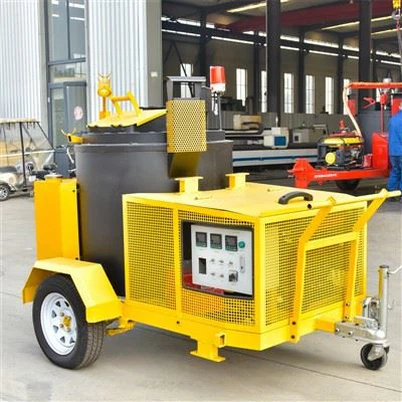
- FAGF200 Asphalt Crack Sealing Machine: This machine is specifically designed for sealing asphalt cracks and joints. It features a high-temperature heating system that allows for quick and efficient melting of the joint filling material, and a precise dispensing system that ensures accurate application of the material. The FAGF200 is easy to operate and maintain, making it a popular choice for road maintenance crews.
- 500L Hydraulic Traction Grouting Machine: This machine is suitable for filling large joints and cracks in concrete and asphalt pavements. It uses hydraulic power to drive the grouting pump, providing a high-pressure and consistent flow of the joint filling material. The 500L capacity allows for continuous operation without the need for frequent refilling, making it ideal for large-scale road projects.
- Asphalt Crack Sealing Machine: This machine is designed for sealing cracks and joints in both asphalt and cement pavements. It features a versatile design that allows for easy adjustment of the dispensing width and thickness, making it suitable for a variety of applications. The machine is also equipped with a heating system that ensures the material remains at the optimal temperature for application, improving the sealing performance and durability.
Conclusion
Aging is a significant challenge that affects the performance and durability of road joint filling materials in China. The physical and chemical changes brought about by aging can lead to cracking, failure, and reduced performance, which can have a negative impact on the road infrastructure and the safety of road users. However, by understanding the effects of aging and implementing appropriate solutions and mitigation strategies, such as selecting the right materials, proper installation, regular maintenance, and the use of protective coatings and equipment, we can extend the service life of road joint filling materials and ensure the long-term integrity of our roads.


If you're in the market for high-quality road joint filling materials or equipment, I encourage you to contact me for more information. As a trusted China road joint filling supplier, I can provide you with the products and expertise you need to ensure the success of your road projects. Let's work together to build and maintain safe, durable, and sustainable roads for the future.
References
- ASTM International. (20XX). Standard specifications for joint sealants for concrete pavements.
- FHWA. (20XX). Guide for the design and construction of concrete pavement joint systems.
- Smith, J. (20XX). The effects of aging on asphalt-based joint filling materials. Journal of Pavement Engineering, XX(XX), XX-XX.