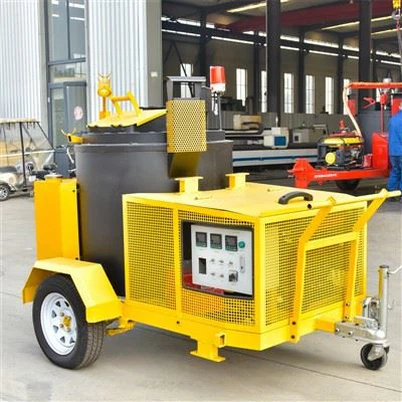
What are the dimensions of a typical highway maintenance lorry?
Leave a message

Hey there! As a supplier of highway maintenance lorries, I often get asked about the dimensions of these vehicles. It's a crucial topic, as the right dimensions can make all the difference in how effectively a lorry can carry out its maintenance tasks. So, let's dive right in and explore the typical dimensions of a highway maintenance lorry.
Overall Length
The overall length of a highway maintenance lorry can vary quite a bit depending on its type and purpose. Generally, you'll find that these lorries range from around 6 meters to 12 meters in length. Smaller lorries, like those used for minor repairs and quick pick - up jobs, might be on the shorter end of the spectrum. They're more maneuverable, which is great for getting in and out of tight spaces on the side of the road.
On the other hand, larger lorries are used for more extensive maintenance operations. For example, those equipped with big storage tanks for asphalt or other materials need more space. A lorry with a large asphalt tank might be closer to the 12 - meter mark. This extra length allows for a bigger tank capacity, which means less frequent refilling and more continuous work on the highway.
Width
The width of a highway maintenance lorry is usually standardized to fit within the legal limits on public roads. Most lorries have a width of around 2.3 to 2.6 meters. This width is designed to ensure that the lorry can travel safely on the highway without taking up too much space and causing traffic disruptions.
If a lorry is too wide, it can be a hazard to other road users. It might make it difficult for cars to pass safely, especially on narrow sections of the highway. So, manufacturers keep the width within a reasonable range while still providing enough space inside the lorry for all the necessary equipment and tools.
Height
Height is another important dimension. Highway maintenance lorries typically have a height of about 3 to 4 meters. The height depends on what the lorry is carrying. For instance, a lorry with a high - pressure water tank for cleaning the road surface might be taller to accommodate the tank and the associated equipment.
However, there are also height restrictions on public roads, especially in areas like under bridges and tunnels. So, the height of the lorry has to be carefully considered to ensure that it can travel freely without getting stuck. If a lorry is too tall, it might not be able to pass through certain areas, which would limit its usability.
Wheelbase
The wheelbase, which is the distance between the front and rear axles, can vary depending on the size and weight of the lorry. For smaller highway maintenance lorries, the wheelbase might be around 3 to 4 meters. This shorter wheelbase gives the lorry better maneuverability, making it easier to turn and park in tight spaces.
Larger lorries, with more weight and longer bodies, often have a wheelbase of 5 to 6 meters or more. A longer wheelbase provides better stability, especially when the lorry is carrying heavy loads. It helps distribute the weight evenly across the axles, reducing the risk of the lorry tipping over.
Different Types of Highway Maintenance Lorries and Their Dimensions
Let's take a look at some specific types of highway maintenance lorries and how their dimensions might differ.
Asphalt Recycling and Maintenance Vehicle 2000L
The Asphalt Recycling and Maintenance Vehicle 2000L is designed to recycle and lay asphalt on the highway. This type of lorry usually has a length of around 8 to 10 meters. The extra length is needed to house the asphalt recycling equipment and the storage tank for the recycled asphalt. The width is typically around 2.4 meters, and the height is about 3.5 meters. The wheelbase is usually around 4.5 to 5 meters, providing a good balance between stability and maneuverability.
Greening Comprehensive Maintenance Vehicle
The Greening Comprehensive Maintenance Vehicle is used for maintaining the green areas along the highway, such as mowing grass and watering plants. These lorries are generally smaller, with a length of around 6 to 7 meters. The width is about 2.3 meters, and the height is around 3 meters. The smaller dimensions make it easier to navigate through the green areas without causing damage to the plants. The wheelbase is usually around 3.5 meters, allowing for good turning radius.
Road Sanitation Vehicle
The Road Sanitation Vehicle is responsible for keeping the highway clean. It might have a length of 9 to 11 meters, depending on the size of the waste - collection bin. The width is around 2.5 meters, and the height is about 3.8 meters. The wheelbase is around 5 meters to ensure stability when the bin is full of waste.
Why Dimensions Matter
The dimensions of a highway maintenance lorry are not just random numbers. They have a significant impact on the lorry's performance and usability.
Firstly, the right dimensions ensure that the lorry can operate safely on the highway. If a lorry is too big or too small for the job, it can pose a risk to the driver and other road users. For example, an oversized lorry might be difficult to control, while an undersized lorry might not be able to carry enough materials to complete the maintenance task efficiently.
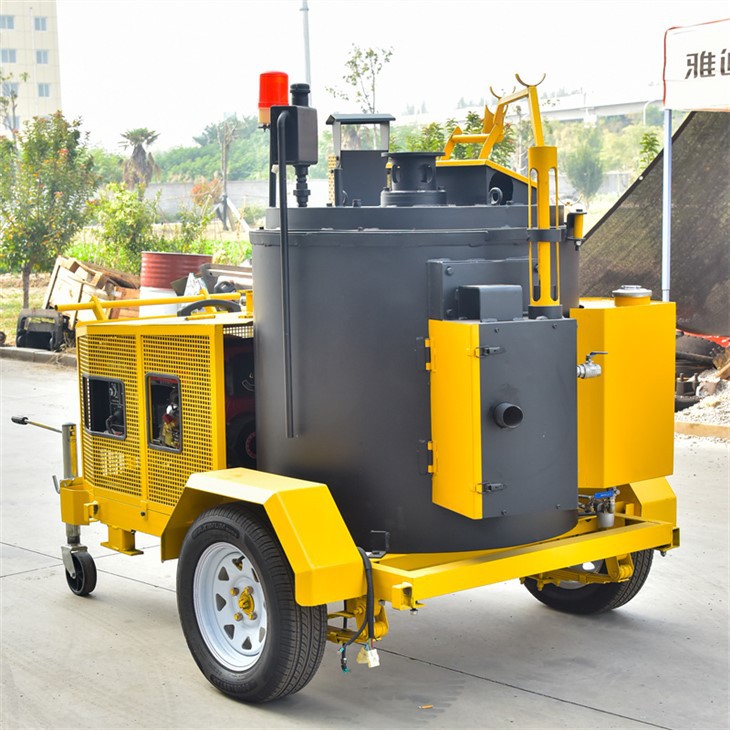

Secondly, the dimensions affect the lorry's efficiency. A lorry with the right length, width, and height can carry the necessary equipment and materials in the most space - efficient way. This means less wasted space and more room for the things that are actually needed for the job.
Finally, the dimensions also play a role in the lorry's cost - effectiveness. A well - designed lorry with appropriate dimensions can reduce fuel consumption and maintenance costs. For example, a lorry with a shorter wheelbase might use less fuel when turning, while a lorry with a well - sized tank can reduce the number of refilling stops.
Conclusion
So, there you have it! The dimensions of a typical highway maintenance lorry are carefully considered to meet the specific needs of the job while ensuring safety, efficiency, and cost - effectiveness. Whether you're looking for an asphalt recycling vehicle, a greening maintenance vehicle, or a road sanitation vehicle, understanding the dimensions is crucial.
If you're in the market for a highway maintenance lorry, or if you have any questions about the dimensions or other features of our vehicles, don't hesitate to reach out. We're here to help you find the perfect lorry for your highway maintenance needs. Contact us today to start the procurement discussion and see how we can assist you in keeping your highways in top condition.
References
- "Commercial Vehicle Design and Technology" by John Crolla
- "Highway Maintenance Handbook" by the American Association of State Highway and Transportation Officials