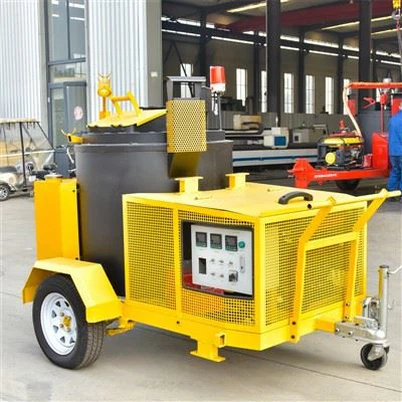
What are the common maintenance tasks for a road repair machine?
Leave a message

As a reputable supplier of road repair machines, I understand the critical role these machines play in maintaining the integrity and functionality of our roadways. Regular maintenance is not only essential for the longevity of the equipment but also for ensuring optimal performance and safety during operation. In this blog post, I will delve into the common maintenance tasks for a road repair machine, providing valuable insights for operators and fleet managers alike.
1. Daily Inspection
The first line of defense in road repair machine maintenance is the daily inspection. This quick yet thorough check-up helps identify any immediate issues that could affect the machine's performance or safety.
- Visual Inspection: Begin by visually examining the entire machine. Look for signs of damage, such as cracks, dents, or leaks. Check the tires for proper inflation and wear. Inspect the hydraulic hoses for any signs of wear or damage, as these can lead to leaks and reduced hydraulic performance.
- Fluid Levels: Check the levels of all essential fluids, including engine oil, coolant, hydraulic fluid, and fuel. Low fluid levels can cause overheating, increased wear and tear, and even engine failure. Top up any fluids as needed, using the recommended type and grade specified in the machine's manual.
- Lubrication: Lubrication is crucial for reducing friction and wear between moving parts. Check the grease fittings and lubricate all necessary components, such as joints, bearings, and pivot points. Follow the manufacturer's recommendations for the type of lubricant and the frequency of lubrication.
2. Filter Replacement
Filters play a vital role in protecting the road repair machine's engine and other components from contaminants. Over time, filters can become clogged with dirt, dust, and debris, reducing their effectiveness and potentially causing damage to the machine.
- Air Filter: The air filter prevents dirt and debris from entering the engine's combustion chamber. A clogged air filter can restrict airflow, reducing engine performance and fuel efficiency. Replace the air filter at regular intervals, or more frequently if the machine is operating in dusty or dirty conditions.
- Fuel Filter: The fuel filter removes impurities from the fuel before it reaches the engine. A dirty fuel filter can cause fuel flow problems, leading to poor engine performance and potential damage to the fuel injectors. Replace the fuel filter according to the manufacturer's recommendations.
- Hydraulic Filter: The hydraulic filter helps maintain the cleanliness of the hydraulic fluid, preventing contaminants from damaging the hydraulic system. Replace the hydraulic filter at the recommended intervals to ensure optimal hydraulic performance.
3. Battery Maintenance
The battery is an essential component of the road repair machine, providing the power needed to start the engine and operate the electrical systems. Proper battery maintenance is crucial for ensuring reliable starting and long battery life.
- Visual Inspection: Check the battery for any signs of damage, such as cracks, leaks, or corrosion. Clean the battery terminals and cables using a wire brush and a solution of baking soda and water to remove any corrosion.
- Charge Level: Use a battery charger or a multimeter to check the battery's charge level. If the battery is low, recharge it using a suitable charger. Avoid overcharging the battery, as this can cause damage to the battery cells.
- Battery Terminals: Ensure that the battery terminals are securely tightened to prevent loose connections, which can cause electrical problems and reduce the battery's performance.
4. Tire Maintenance
The tires of a road repair machine are subjected to significant wear and tear, especially when operating on rough or uneven surfaces. Proper tire maintenance is essential for ensuring safe and efficient operation.
- Tire Pressure: Check the tire pressure regularly using a tire pressure gauge. Maintaining the correct tire pressure helps improve fuel efficiency, extends tire life, and ensures proper handling and stability. Refer to the machine's manual for the recommended tire pressure.
- Tire Tread: Inspect the tire tread depth regularly to ensure that it meets the legal requirements and provides adequate traction. Worn tires can increase the risk of accidents, especially in wet or slippery conditions. Replace the tires when the tread depth reaches the minimum recommended level.
- Tire Rotation: Tire rotation helps ensure even wear across all tires, extending their lifespan. Follow the manufacturer's recommendations for tire rotation intervals and patterns.
5. Hydraulic System Maintenance
The hydraulic system is a critical component of many road repair machines, providing the power needed to operate various functions, such as lifting, digging, and compacting. Proper maintenance of the hydraulic system is essential for ensuring optimal performance and preventing costly repairs.
- Fluid Level and Quality: Check the hydraulic fluid level regularly and top up as needed. Monitor the fluid quality for signs of contamination, such as dirt, water, or foam. Contaminated hydraulic fluid can cause damage to the hydraulic components and reduce system performance. Replace the hydraulic fluid and filter at the recommended intervals.
- Hydraulic Hoses and Fittings: Inspect the hydraulic hoses and fittings for any signs of damage, such as leaks, cracks, or loose connections. Replace any damaged hoses or fittings immediately to prevent hydraulic fluid leaks and potential system failures.
- Hydraulic Pump and Motor: The hydraulic pump and motor are the heart of the hydraulic system. Regularly check the pump and motor for proper operation and performance. Listen for any unusual noises or vibrations, which could indicate a problem. Have the pump and motor serviced by a qualified technician at the recommended intervals.
6. Engine Maintenance
The engine is the power source of the road repair machine, and proper engine maintenance is essential for ensuring reliable operation and longevity.
- Oil Change: Regular oil changes are crucial for maintaining the engine's performance and protecting its internal components. Follow the manufacturer's recommendations for the type of oil and the frequency of oil changes.
- Spark Plugs and Ignition System: The spark plugs and ignition system are responsible for igniting the fuel in the engine's combustion chamber. Check the spark plugs regularly and replace them if they are worn or damaged. Inspect the ignition system for proper operation and adjust or replace any faulty components as needed.
- Cooling System: The cooling system helps prevent the engine from overheating. Check the coolant level regularly and top up as needed. Inspect the radiator, hoses, and water pump for any signs of damage or leaks. Have the cooling system flushed and refilled at the recommended intervals.
7. Other Maintenance Tasks
In addition to the above maintenance tasks, there are several other important tasks that should be performed regularly to keep the road repair machine in optimal condition.


- Cleaning: Regularly clean the road repair machine to remove dirt, dust, and debris. This helps prevent corrosion and damage to the machine's components. Use a pressure washer or a hose to clean the exterior of the machine, and pay special attention to hard-to-reach areas.
- Calibration and Alignment: Many road repair machines require regular calibration and alignment to ensure accurate operation. This includes tasks such as calibrating the sensors, aligning the cutting blades, and adjusting the steering and suspension systems. Follow the manufacturer's recommendations for calibration and alignment intervals.
- Operator Training: Proper operator training is essential for ensuring the safe and efficient operation of the road repair machine. Provide comprehensive training to all operators, covering topics such as machine controls, safety procedures, and maintenance requirements. Encourage operators to report any issues or concerns immediately.
In conclusion, regular maintenance is essential for keeping a road repair machine in optimal condition, ensuring reliable operation, and extending its lifespan. By following the common maintenance tasks outlined in this blog post, operators and fleet managers can minimize downtime, reduce repair costs, and improve the overall performance of their road repair machines.
If you are in the market for a high-quality road repair machine or need assistance with maintenance and support, we are here to help. As a leading supplier of road repair machines, we offer a wide range of products and services to meet your needs. Our experienced team can provide you with expert advice, installation, and training, ensuring that you get the most out of your investment.
For more information about our road repair machines and other road maintenance vehicles, including Pedestrian Cleaning Vehicle, Road Maintenance Truck, and Road Cleaning Equipment, please contact us today. We look forward to working with you to keep your roads in top condition.
References
- Manufacturer's manuals for road repair machines
- Industry standards and best practices for road maintenance equipment maintenance
- Technical articles and research papers on road repair machine maintenance