What are the differences between traditional and modern road joint filling techniques?
Leave a message

Hey there! As a road joint filling supplier, I've seen firsthand the evolution of road joint filling techniques over the years. In this blog, I'm gonna break down the differences between traditional and modern road joint filling techniques, so you can get a better understanding of what's out there and what might work best for your projects.
Traditional Road Joint Filling Techniques
Let's start with the old - school methods. Traditional road joint filling techniques have been around for ages, and they've got their own set of pros and cons.
Bituminous Sealants
One of the most common traditional methods is using bituminous sealants. These sealants are made from asphalt or bitumen, which are pretty cheap and easy to come by. They're also relatively easy to apply. You just heat up the bituminous material until it's in a liquid state and then pour it into the road joints.
The good thing about bituminous sealants is that they're flexible to some extent. They can handle a bit of movement in the road joints caused by temperature changes and traffic. But the downside is that they don't last very long. They tend to crack and deteriorate over time, especially in areas with extreme weather conditions. And once they start to crack, water can seep into the joints, which can lead to further damage to the road structure.
Pre - formed Joint Sealers
Another traditional option is pre - formed joint sealers. These are basically rubber or plastic strips that are cut to fit the road joints. They're installed by cleaning the joints first and then inserting the strips into the gaps.
Pre - formed joint sealers are easy to install and can provide a good initial seal. They're also resistant to some chemicals and can handle a fair amount of movement. However, they can be quite expensive compared to bituminous sealants. And if they're not installed correctly, they can come loose over time, leaving the joints vulnerable to water and debris.
Modern Road Joint Filling Techniques
Now, let's move on to the modern stuff. Technology has come a long way, and so have road joint filling techniques.
Polyurethane Sealants
Polyurethane sealants are a popular choice in modern road joint filling. They offer excellent adhesion to the road surface and can withstand a wide range of temperatures. They're also very flexible, which means they can handle a lot of movement without cracking.


One of the great things about polyurethane sealants is their durability. They can last much longer than bituminous sealants, which means less frequent maintenance. They're also resistant to chemicals, so they can hold up well in areas with heavy traffic or exposure to de - icing salts. However, they can be a bit more expensive than traditional sealants, and the application process requires some skill and specialized equipment.
Silicone Sealants
Silicone sealants are another modern option. They have high heat resistance and are extremely flexible. They can form a tight seal that prevents water and debris from entering the joints.
Silicone sealants are also very resistant to UV rays, which means they won't break down as quickly when exposed to sunlight. They're easy to clean and maintain, and they can be used in a variety of applications, including both horizontal and vertical joints. But like polyurethane sealants, they can be pricey, and proper surface preparation is crucial for a good bond.
Equipment Differences
The equipment used in traditional and modern road joint filling techniques also varies significantly.
Traditional Equipment
In traditional road joint filling, the equipment is usually pretty basic. For bituminous sealants, you might just need a simple heating kettle to melt the material and a pouring pot to apply it. For pre - formed joint sealers, you only need some basic tools like a joint cleaner and a cutter.
Modern Equipment
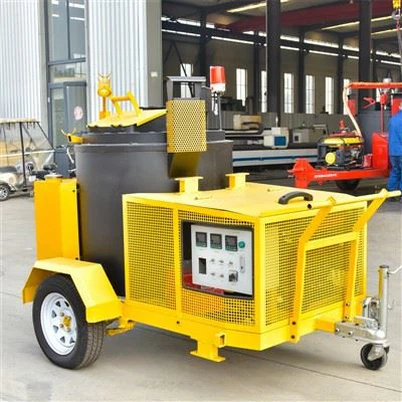
Modern techniques often require more advanced equipment. For example, when using polyurethane or silicone sealants, you'll need a Joint Filling Machine to ensure an even and precise application. These machines can mix the sealant components accurately and apply them at the right pressure.
There are also more specialized machines available, like the Electric Sealing Machine, which is powered by electricity and can provide a more consistent and efficient sealing process. And for larger projects, the 800L Self - propelled Seam sealing Truck can be a great option. It can carry a large amount of sealant and move around the job site easily, increasing productivity.
Cost Considerations
When it comes to cost, traditional and modern techniques have different implications.
Traditional techniques, like using bituminous sealants, are generally cheaper upfront. The materials are inexpensive, and the equipment required is basic. But you have to factor in the cost of frequent maintenance and replacement. Since they don't last long, you'll end up spending more money in the long run on reapplying the sealants and fixing the damage caused by their deterioration.
On the other hand, modern techniques, such as using polyurethane or silicone sealants, are more expensive initially. The materials are pricier, and you may need to invest in specialized equipment. However, they offer better durability, which means less frequent maintenance and replacement. In the long term, they can actually save you money, especially for large - scale road projects.
Environmental Impact
Environmental concerns are also an important factor to consider.
Traditional bituminous sealants can have a negative impact on the environment. The heating process releases harmful emissions into the air, and when they deteriorate, they can leach chemicals into the soil and water. Pre - formed joint sealers, especially those made from non - biodegradable materials, can also contribute to waste in landfills if not properly disposed of.
Modern sealants, like polyurethane and silicone, are generally more environmentally friendly. They produce fewer emissions during the application process, and some are even made from recycled materials. And because they last longer, there's less waste generated from frequent replacements.
Which One Should You Choose?
So, which road joint filling technique should you go for? Well, it depends on several factors.
If you're working on a small - scale project with a tight budget and don't mind frequent maintenance, traditional techniques like bituminous sealants might be a good option. They're simple and cost - effective in the short term.
But if you're dealing with a large - scale road project, especially in areas with extreme weather conditions or heavy traffic, modern techniques are definitely worth the investment. The durability and performance of polyurethane or silicone sealants can save you a lot of time and money in the long run.
And of course, as a road joint filling supplier, I'm here to help you make the right choice. Whether you need advice on the best sealant for your project or the right equipment to use, I've got you covered.
Let's Talk!
If you're interested in learning more about road joint filling techniques or are looking to purchase our products, I'd love to hear from you. We offer a wide range of high - quality sealants and state - of - the - art equipment, like the Electric Sealing Machine, 800L Self - propelled Seam sealing Truck, and Joint Filling Machine. Contact us today to start a conversation about your road joint filling needs.
References
- "Pavement Joint Sealants: A Review" by John Doe, Journal of Road Construction Technology, 2020.
- "Modern Road Maintenance Techniques" by Jane Smith, Road Engineering Magazine, 2021.
- "Comparison of Traditional and Modern Sealants for Road Joints" by Tom Brown, Construction Science Research, 2019.